
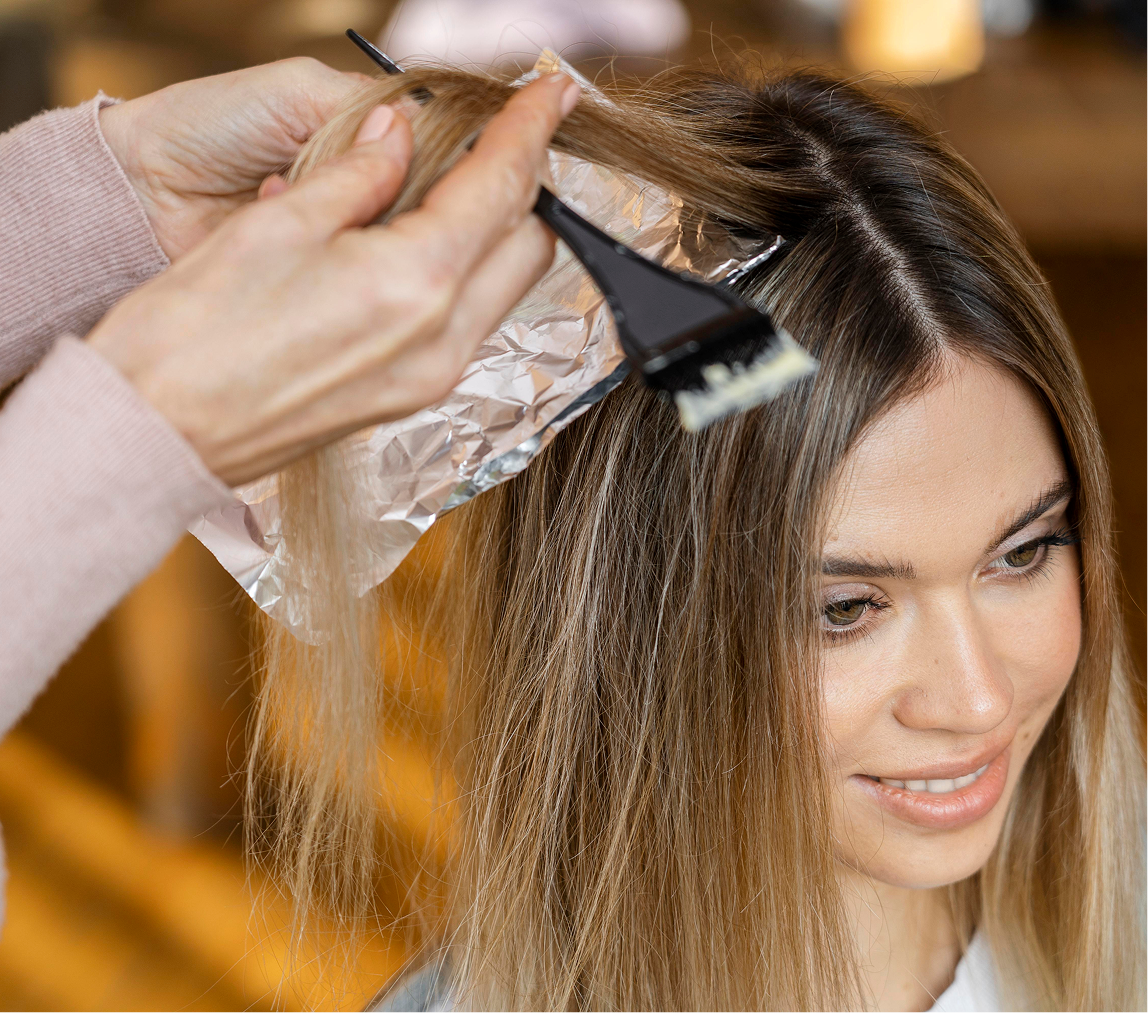
Best Hair Color for a Sensitive Scalp
The best hair color for a sensitive scalp begins with the right process, not just the right shade. Scalp sensitivity is common and manageable. At CM Salon & Spa, our colorists bring 45+ years combined experience, using a consultation-first approach and a patch test to identify safe options before any color touches your scalp.
Our Color Services Include:
Single Process Color (All Over Color) $80
Recognizing a Sensitive Scalp Before You Color
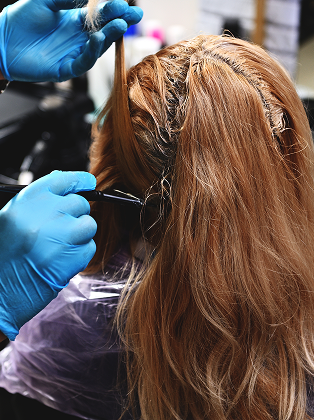
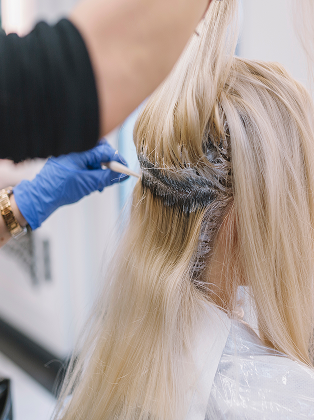
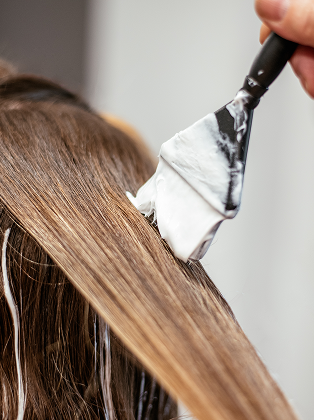
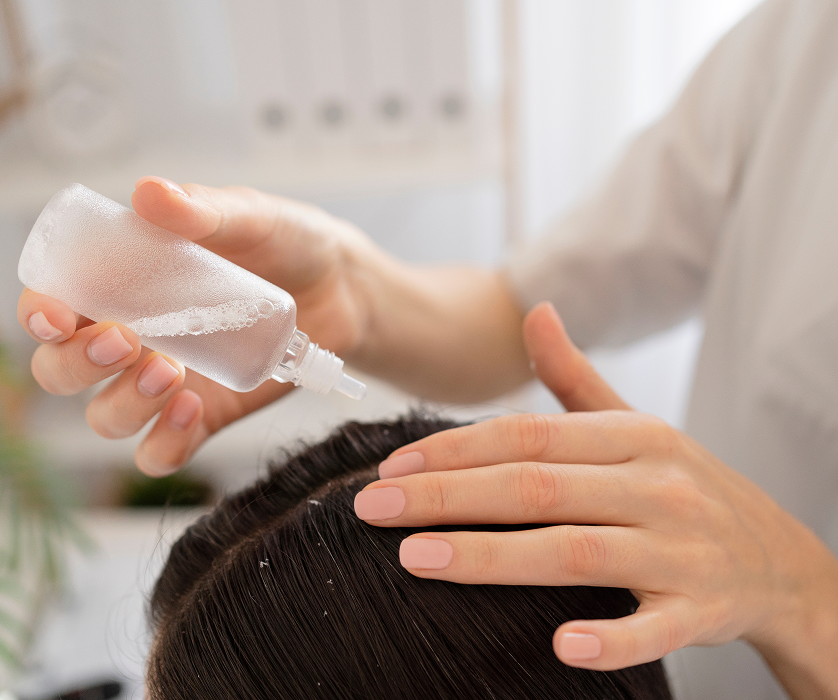
The best hair color for a sensitive scalp starts with recognizing how sensitivity reveals itself, often through irritation, itching, redness, or tightness during or after coloring. Common triggers include repeated chemical exposure, a weakened skin barrier, and prior reactions to ingredients like PPD. An allergic reaction is not simply about picking the wrong shade. Sensitivity is a formulation issue first, which is why identifying your triggers before you color matters more than the color itself when protecting your comfort and long-term scalp health.
Best Professional Hair Color for Sensitive Scalp
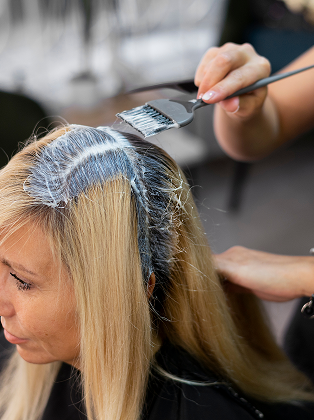
The best professional hair color for a sensitive scalp uses gentler formulation categories chosen for your skin, not a one-size-fits-all box. At CM Salon & Spa, colorists work with ammonia-free and PPD-free options, along with demi-permanent and semi-permanent formulas that lower irritation risk while balancing longevity. Professional-grade color outperforms at-home box dye because a trained colorist controls strength, timing, and placement, adjusting each choice to how your scalp actually responds during the process rather than following generic instructions on a package.
Coloring Techniques That Minimize Scalp Contact
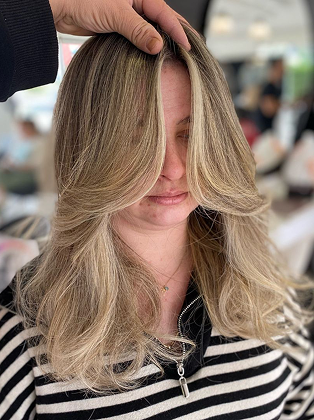
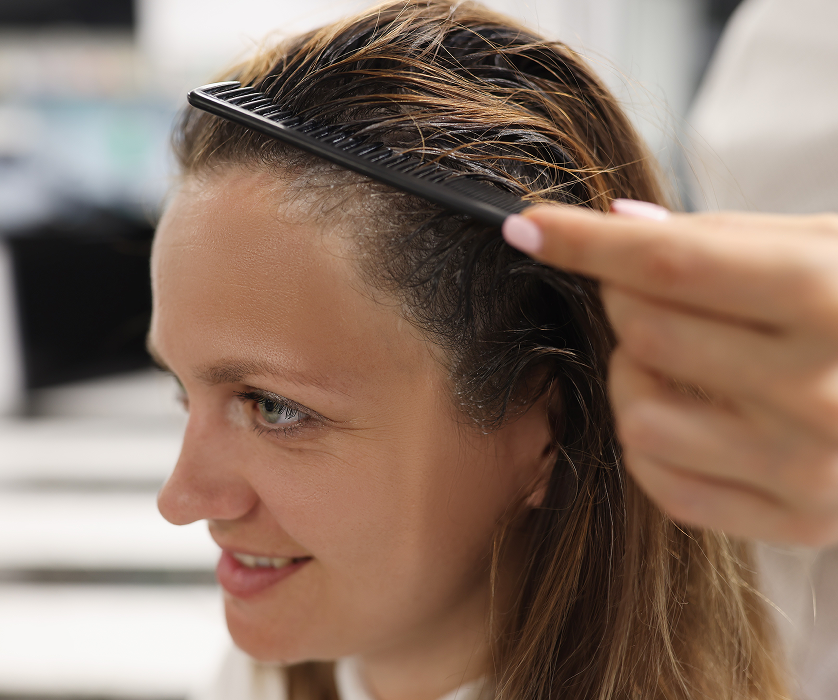
For clients seeking the best hair color for a sensitive scalp, technique selection often matters as much as the formula itself. Balayage and ombre are painted onto the mid-lengths and ends, keeping product well away from the scalp, where sensitivity tends to be most pronounced. A full root-to-tip application places color directly at the roots, so it suits different coverage goals. During your consultation, your colorist recommends an approach that matches your desired look and your scalp's reactivity.
What to Expect During a Sensitive-Scalp Color Consultation
Choosing the best hair color for a sensitive scalp starts with your consultation at CM Salon & Spa, where your colorist makes an honest assessment of your scalp condition and coloring history. Your colorist asks about past reactions, current products, and any irritation you have noticed, then discusses your goals. Formula selection is tailored to your sensitivity level, and product selection is walked through with you, so nothing is applied before you feel informed and comfortable.
Why the Patch Test Step Matters
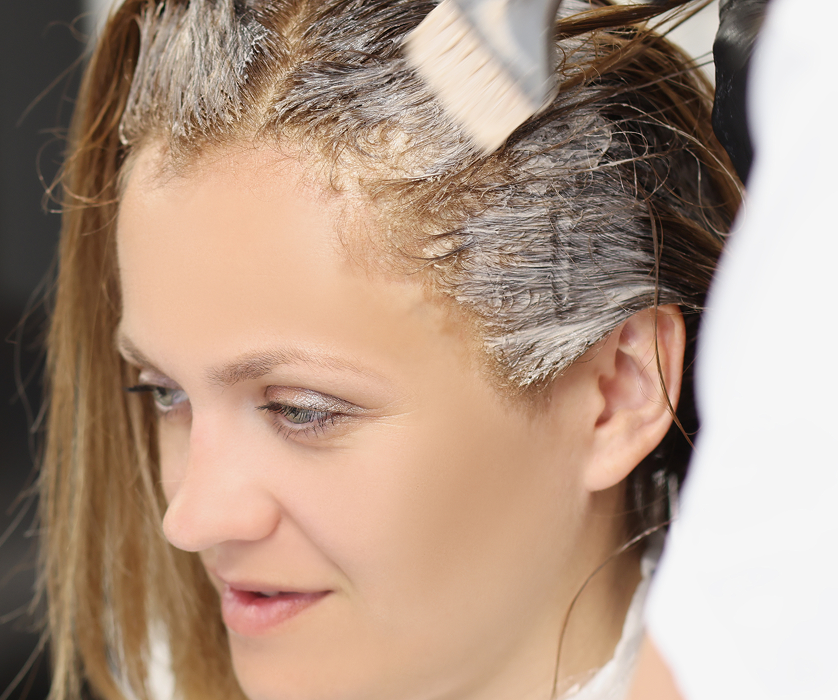
Confirming the best hair color for a sensitive scalp is safe requires a patch test, which applies a small amount of the chosen formula to skin, usually behind the ear or on the inner arm, roughly 48 hours before your full appointment. During that window, your colorist watches for redness, swelling, or itching that could signal a reaction. A clear result means the formula is safer to use in full. Skipping this step raises the risk of a reaction the patch test could have prevented.
Ingredients to Ask About Before Your Appointment
Understanding the best hair color for a sensitive scalp means knowing a few ingredient names so you can speak confidently with your colorist. PPD is a common dye component associated with allergic reactions in sensitive scalps. Ammonia opens the hair cuticle to allow color to deposit, but it can cause burning and dryness. Resorcinol is another coloring agent worth asking about. When you raise these with your colorist, they can adjust the formulation to ammonia-free or PPD-free alternatives suited to your scalp.
Caring for a Sensitive Scalp After Color
Maintaining the best hair color for a sensitive scalp requires aftercare that keeps your scalp calm once you leave the chair. Use gentle, sulfate-conscious products, avoid very hot water, and space out heat styling in the first days. If itching, redness, or tenderness appears, reach out to us promptly so we can advise on follow-up. A well-planned color process supports future goals, from color correction at CM Salon & Spa to ongoing gray blending and color consultation services as your needs evolve.
Frequently Asked Questions
-
The best hair color for a sensitive scalp is often ammonia-free, because removing ammonia reduces the burning and dryness that many reactive scalps experience. It is a gentler starting point, not a guarantee. Some people still react to other ingredients, including dye components like PPD. That is why professional guidance still matters. A colorist reviews your history, recommends a formula, and confirms tolerance with a patch test before applying color across your whole head at CM Salon & Spa.
-
Finding the best hair color for a sensitive scalp means matching a gentle hair dye to your specific sensitivity rather than reaching for a generic boxed color. Most people can color their hair safely when the right formula and process are used. A consultation identifies your triggers and goals, and a patch test confirms how your skin responds before full application. Together, these steps make coloring reliably safer, turning an anxious experience into a planned, comfortable one.
-
The best hair color for a sensitive scalp doesn't have a single answer, because the right choice depends on your gray coverage needs and individual sensitivity. Plant-based, ammonia-free, and PPD-free options are commonly recommended as gentler starting points. Someone needing full gray coverage may need a different formula than someone wanting soft dimension. A colorist weighs these factors during your consultation to recommend the formula and technique that suit both your goals and your scalp condition at CM Salon & Spa.
-
Planning for the best hair color for a sensitive scalp means scheduling a patch test roughly 48 hours before your full color appointment. This window gives your skin time to reveal any delayed reaction before the product touches your scalp. The simplest way to arrange this is to fold it into a consultation for sensitive-scalp color needs, so your assessment, patch test, and color date are coordinated into one plan. Booking your consultation early leaves room for that 48-hour period before your appointment.
-
Preparing for the best hair color for a sensitive scalp includes having a plan if your scalp becomes irritated after coloring: rinse gently with cool water, avoid scratching, and skip further chemical products until the irritation settles. Note when symptoms began and how they feel. Contact us so we can advise on next steps and adjust your formula going forward. Individual reactions can occur even with a carefully selected formula, so we tailor future appointments based on what we learn.