
Natural Hair Colors Explained: Levels, Shades, and What Looks Most Real
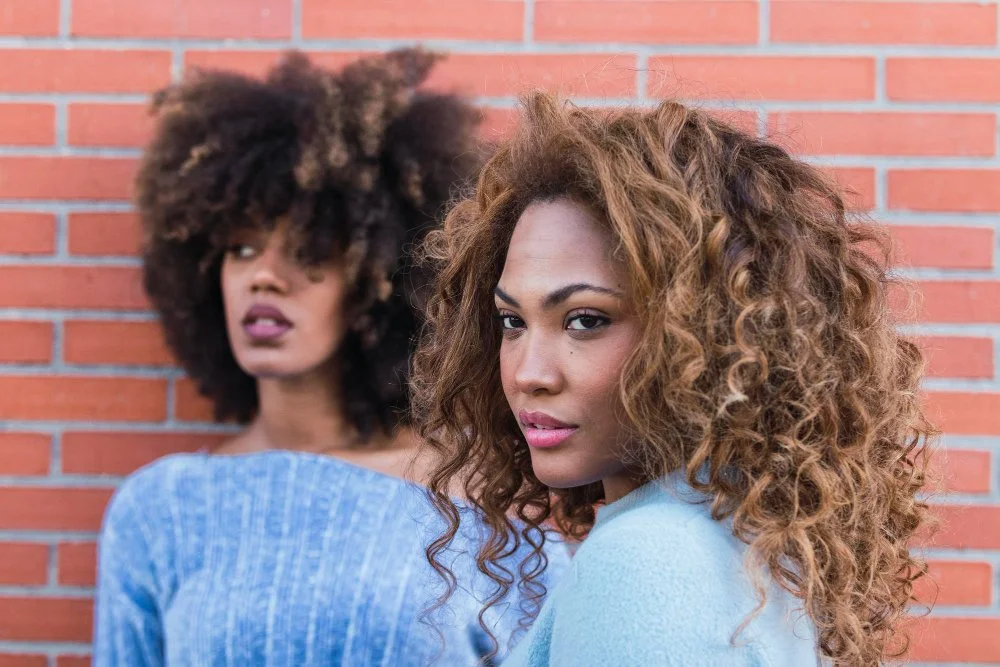
When a client requests a natural-looking hair color, they are unlikely to all request the same thing. To others, it is getting back to the shade that one was born with. To others, it involves choosing a color that looks natural, carefree, and requires little attention, even if it's not their natural hair shade.
This is necessary for selecting a hair color that really suits you by understanding natural hair colors, hair color levels, and the shade that appears most natural. This guide presents everything in a clear, professional, and practical manner, whether you are looking to diffuse subtle highlights, make a complete color change, or simply see where your hair will naturally fall.
What Are Natural Hair Colors?
Natural hair colors are the colors that do not come about as a result of chemical treatment of human hair. These colors are determined by genetics, the type and amount of melanin in the hair shaft.
Whereas individuals tend to use the general classifications of hair, namely, blonde, brown, black, or red, professional color theory divides natural hair colors into levels and undertones. This system enables a colorist to determine depth, warmth, and realism before any color service is performed.
Though variations in natural hair color are countless, they all fall into a specific framework. It is this structure that enables stylists to produce natural hair shades that appear realistic rather than artificial.
How Many Natural Hair Colors Exist?
Professionally speaking, natural hair color has seven fundamental levels, usually numbered 1-7. Others go even further, including very light blondes; however, the actual natural range lies within these seven levels. What makes natural hair color complicated is that it is not the level of natural hair color but the difference between it and the hair's color. Both levels have several undertones and nuances of shades.
In general:
There are seven levels of natural hair color.
There are numerous natural hair shades in each level.
Calm, warm, or neutral innuendos produce visual variations.
That is why two individuals may be considered brunette, but their hair will look entirely different.
The 7 Natural Hair Color Levels
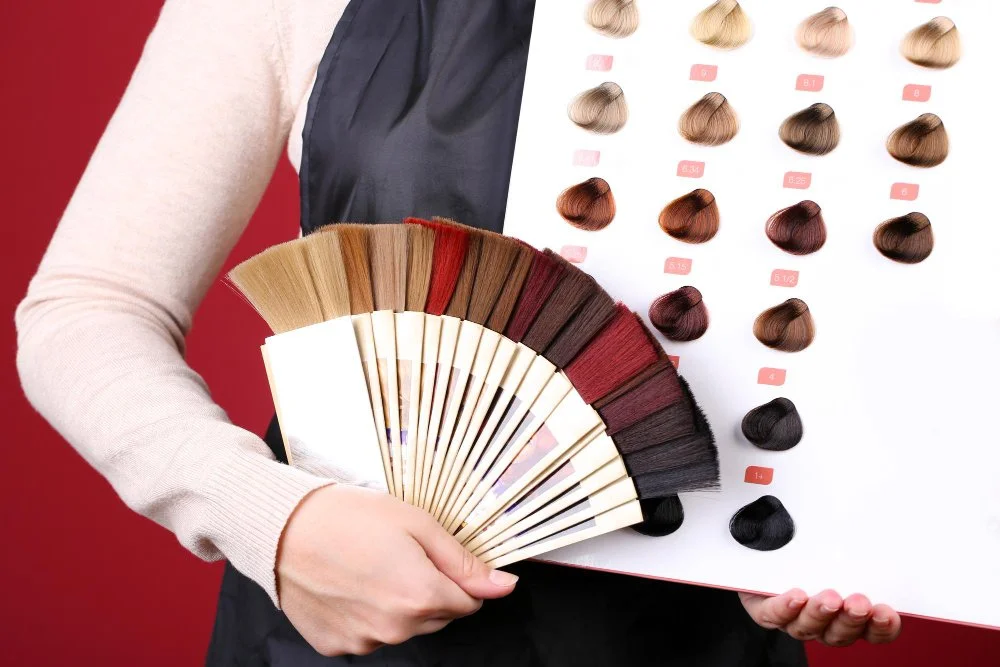
Knowing hair color levels is essential for anyone who wants a realistic, pleasing result. Hair color levels refer to the lightness or darkness of the hair regardless of undertone, and they are the basis of all professional color formulation.
These levels enable colorists to interpret natural hair colors, forecast how the hair will respond to color, and produce shades that appear natural rather than artificial. The level establishes the depth and realism of the final product, whereas undertones contribute to its fineness.
Level 1: Black
The darkest type of natural hair color is level 1. Almost Jet black in appearance, it has very low light reflection, making the hair appear very dense and high-contrast. True natural black is considered one of the rare natural hair colors, mainly when it occurs without warmth. Even then, subtle undertones are often visible in specific lighting. It might appear homogeneous, but even natural level 1 hair usually has a slight dark brown, dark blue, or neutral shade that can only be seen in specific light. When improving or fixing this level, it is vital to keep it soft and shiny to avoid appearing flat or artificial.
Level 2: Darkest Brown
Level 2 tends to get confused with black but is a little more profound and dimensional. This shade is only slightly higher than level 1 on the hair color scale, and it is a bit lighter, giving it a deeper, more complex look. As one of the darker natural hair colors, it provides a rich base while maintaining softness and depth. It is not as deep as pure black, and it is frequently desired by the client who desires the richness of dark hair, but not the severity of level 1.
Level 3: Dark Brown
Level 3 dark brown is strictly brown, and not black, and is one of the most prevalent hair color occurrences in nature. It is substantial and, at the same time, allows light to bounce back gently, offering the hair motion and volume. It is also a rather universal layer and effective for clients who want low-maintenance color. It is one of the most common natural hair colors, as it is natural, and many people automatically fall into this category. Level 3 hair appears real and yet shows a tonal range when improved.
Level 4: Medium Brown
Medium brown is among the most versatile natural hair colors. It is also a better reflector of light than darker brown and reacts very well to highlight, glosses, and minor tonal changes. Level 4 can be used to provide natural-like color additions due to its flexibility. It is also among the most popular natural hair colors and is suitable for clients who prefer dimension rather than drama. In particular, this layer is effective at creating soft, lived-in colour effects.
Level 5: Light Brown
Level 5 sits between brunette and blonde and is one of the most adaptable natural hair shades. It tends to have either a golden or neutral base and is frequently used as a starting point for balayage or sun-kissed color. Many level 5 hair clients naturally lighten in the sun, giving the effect of realism. Under the hair color levels system, level 5 allows a slight brightening or darkening while maintaining a natural appearance.
Level 6: Dark Blonde
Level 6, also known as dark blonde, is soft and dull. It may be warm, neutral, or cool, depending on the undertone, and tends to darken slightly with age due to natural pigment changes. The level is often connected with natural hair tones, which look subtle and are ot complex to achieve. It is like an in-between of brown and blonde and is usually selected when one wants a low-maintenance color that yet feels light and fresh.
Level 7: Medium Blonde
Level 7 hair color represents a true medium blonde that reflects light beautifully while maintaining enough depth to look natural. It is a good reflector of light, yet has sufficient depth to avoid looking too bright or unnatural. This is one of the natural hair colors that are light and can be achieved without using chemicals. Most people who were blonde as children fall into this category as they grow older. Due to its harmony, level 7 hair color can serve as a reference for creating believable, soft blonde hair color.
Why Hair Color Levels? When you want a Natural look
All seven levels are essential to the realism of hair color. Maintaining the right level of hair color helps preserve depth, softness, and naturalness. Understanding hair color levels enables colorists to enhance natural beauty rather than overpower it, resulting in hair color that evolves naturally over time.
Regular shades or the natural hair color that is hard to find, knowing these levels enables the colorist to boost natural beauty instead of drowning it. The most effective hair color solutions work in harmony with the natural structure of the hair and develop it in an informed way.
What are considered to be the natural hair colors?
Hair colors are considered natural when they align with how hair naturally grows, how it reflects light, and how it reaches its length.
Natural hair colors typically:
Fall within the level 1-7 system
Apply natural hues like gold, neutral, or light ash.
Do not use too extreme or unnatural pigments.
Impersonate natural reflection.
The most frequent natural hair colors are black, brown, and blonde, provided they do not violate depth and balance. Natural hair color can still appear natural even when colored, provided it stays within these parameters.
Natural vs. Artificial-Looking Color Hair Shade
Not every brown or blonde hair is naturally occurring. It is usually boiled down to dimension, undertone, and contrast.
Standard appearing hair color has typically:
Several shades, not a flat one.
Harmonic end-root transitions.
Middle ground or moderation.
Healthy shine
Colors that are too ashy, too bright, or too homogeneous are the colors that appear to be inauthentic. That is why the professional formulation, as well as blending methods, are as crucial as the selection of the appropriate level.
The Uncommonest Natural Hair Color?
Along with true cool black and very light natural blondes, red is considered one of the rarest natural hair colors. Natural red tones fall between strawberry blonde and deep copper, and they tend to fade or become darker as people get older. Other natural hair colors that are rare are:
Real natural black with cool undertones.
Adults with very light natural blondes.
Adult natural redheads are very rare since natural red hair usually changes or fades with age.
Best Hair Colors are Natural, and this is the reason why
Natural hair colors are subject to the visual rule. The hair is usually darker at the ends, a little lighter in the middle, and lightly varied throughout.
Color that does not disregard such patterns is believable even when exaggerated. That is why the methods of modernity are focused on softness and dimension rather than even coverage.
Natural-looking hair color is not meant to reinvent, but refine.
How to pick the best Natural Hair Color
Natural hair color is not necessarily the one that is absolutely your natural shade. It is the color that most closely matches your natural features and lifestyle.
Key factors include:
Skin tone and undertone
Eye color
Natural hair level
Maintenance preferences
A person with a natural level 5 may look best in levels 4-6, and a person with a level 6-7 may look best in soft blondes or light brown. Professional consultation helps determine how far you can shift while staying within realistic, wearable natural hair shades.
Natural Hair Color Service at CM Salon & Spa
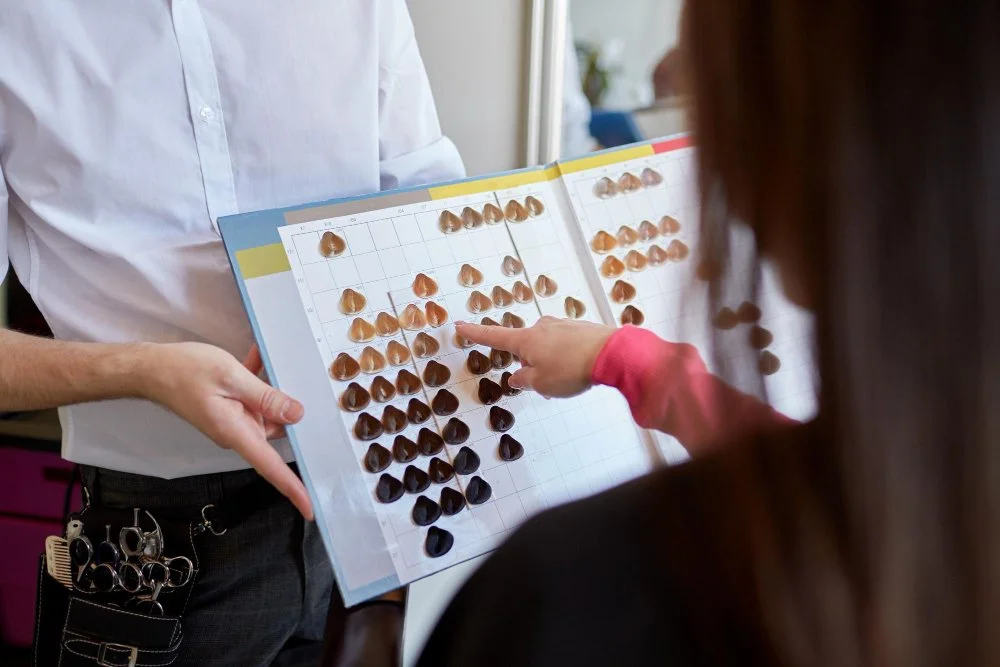
The natural hair color at CM Salon & Spa is applied precisely and customized. Every service starts with a deep analysis of the natural level, undertone, and hair history. Clients often demand natural brunettes with a hint of dimension, soft blondes that do not appear over-processed, and hair color that creates a wearable, natural look. Operating within professional hair color levels, the outcome remains smooth, balanced, and long-lasting.
Each formulation is designed to respect the client’s natural depth while enhancing light reflection and softness. Our color techniques focus on seamless blending to ensure the shade grows out naturally over time. Our approach keeps hair color realistic, low-maintenance, and consistent with the client’s features.
Conclusion:
Natural hair colors are not accidental; they are deliberate. Understanding natural hair colors, hair color levels, and realistic shading allows for better, longer-lasting results.
They say that the most winning hair colors know how to respect depth, undertone, and balance, whether you are enriching your current shade or trying a new one that looks natural. The trends are changing, and natural hair color will never go out of style.
FAQs
-
The seven natural hair colors are determined using a professional system called hair color levels, which assesses how light or dark the hair is, not its undertone. These levels start at level 1 (black) and level 7 (median blonde). Every level is a type of natural hair color, and inside every level, it may have a warm, neutral, or cool shade. To illustrate this, two individuals can be the same level of brunet, but one can be a golden shade and the other a more neutral shade. This structured system allows professionals to analyze natural hair shades accurately and produce results that look realistic rather than artificial. These seven levels are essential for selecting or refining natural-looking hair color.
-
A hair color appears natural when it reflects how natural hair colors behave in real life. It means being neither one-dimensional nor excessively dark or bright. Natural hairstyles are expected to be light-reflecting, smooth, with a natural flow from roots to ends, and within the natural range of hair colors. Excessively ashy or too bright or too uniform colors are unnatural, and therefore they are not in line with the natural development and destruction of hair color as time passes. Dimensional blending and glossing are professional methods used to recreate these natural patterns, allowing the color to look effortless and natural rather than processed.
-
Yes, there is a definite possibility of adding some color to hair while still maintaining a natural look. The trick lies in achieving a realistic, natural hair color and using a shade that matches your natural depth and undertone. Maintaining the right proportions of hair color can make the outcome appear real rather than dramatic. In one case, a natural level 5 or 6 can be given a depth of soft highlights or a gloss without distorting the overall appearance. The professional method enables the colorists to regulate tone, brightness, and shine, but not to alter the natural hair shade. Colored hair, when properly done, can appear as natural as unprocessed hair.
-
Other blondes are more natural as they are at realistic hair colorations, which are usually the level 6 or level 7 hair color, and have equal undertones. Warmth or neutrality is often added to natural-looking blondes to make the hair reflect light in a manner reminiscent of actual hair growth. Blonde girls who are relatively light or too cool are fake, as they lack detail. Hair shades in the blonde series have slight variation between the roots and ends, making them look natural. This is why level 7 hair color is frequently used as the benchmark for blondes that appear bright and natural at the same time.
-
Yes, natural hair colors do change over time due to age, genetics, and environmental factors. Some people have light hair in childhood and slowly darken to deep blonde or light brown as melanin production decreases. Natural hair shade can also vary over time due to sun exposure, hormonal changes, and lifestyle factors. Even unusual hair colors, such as natural hues like true red or very light blond, which are rare, can fade or darken as one ages. The natural changes are natural, and this is why professional color analysis is used for the current hair color level rather than childhood hair color recollections.
