
Balayage vs. Highlights: What’s the Difference?
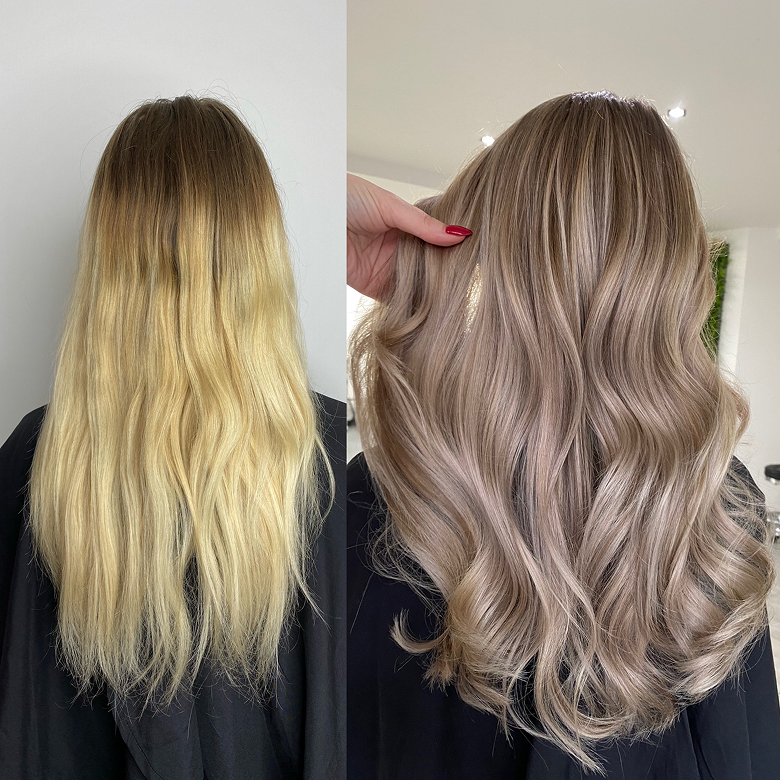
The art of hair coloring has evolved significantly, moving beyond a single color or simple streaks of coloring. The most popular choice that ladies request at the salons is balayage and highlights. However, the terms are puzzling to many people, and some consider them synonymous. Have you ever been curious about the process behind balayage versus highlights and how the techniques differ, or wished to see them side by side? Then look no further.
In this blog, we will deconstruct the differences between balayage and highlights, explain how each process works, determine the best option for brown hair, and outline what to expect in terms of maintenance. Whether toned-down and sun-kissed or dramatic and contrasting, knowing these techniques will enable you to make the appropriate choice in terms of your style.
What Is Balayage vs Highlights?
The term "balayage" is of French origin, meaning "sweeping." It is a freehand process where the colorist applies color to the hair in a natural, graduated blend that resembles how the sun would naturally lighten the hair.
Highlights are more organized, however. They entail the use of a lightener on a small volume of hair and the application of foil to it.
According to this technique, specified streaks with greater contrast to the base color are obtained.
Balayage: Looks natural, blends seamlessly, and is hand-painted for a truly unique finish.
Key characteristics: defined, patterned, and structured lighter strands.
This difference between balayage and highlights, when viewed side by side, can help explain why the results are so different, even when using the same colors.
Technique and Application: Side-by-Side Comparison
The main differences between balayage and highlights can be found in the method of their application side by side.
Balayage
The color is not absorbed into every strand of hair; color is painted onto the surface.
The application can be mid-length to end-concentrated.
Creates a more lived-in sun-kissed look.
It does not necessarily have to use foils, so it is more of an artistic process rather than one that follows a pattern.
Highlights
Tiny parts of the hair are totally covered with the lightener.
Wound in foils to strengthen processing and preserve separation.
Apply the roots to the ends to achieve a more even lift.
Forms consistent streaks of high contrast.
This discrepancy in use directly affects how the result appears, how it evolves, and how it maintains the result.
What Is the Difference Between Balayage and Highlights in Maintenance?
Maintenance is often the deciding factor for clients.
Balayage typically requires fewer salon visits. Because the color doesn’t start at the root and blends naturally, regrowth is less noticeable. Most people can go 3–4 months before a touch-up.
Highlights grow out in a more noticeable line, especially if they’re placed close to the root. Many clients return every 6–8 weeks for upkeep.
So if you’re wondering what the difference is between balayage and highlights in terms of lifestyle, balayage is more low-maintenance. In contrast, highlights provide bold, high-impact color that requires regular upkeep.
Balayage vs Highlights Side by Side: Color Results
The finish of these two methods is what truly distinguishes them.
Balayage results: Soft, dimensional, and sun-kissed. Works beautifully for a natural look.
Highlight results: Bright, high-contrast, and noticeable streaks. Ideal for dramatic impact.
For clients, seeing balayage vs highlights side by side often makes the decision clear—one feels seamless and subtle, while the other is sharper and bolder.
Brown Hair Balayage vs Highlights
For individuals with brown hair, the choice between these two techniques can significantly alter the effect.
Brown balayage: Darker colors are warmed with caramel, toffee, or honey tones to add dimension without overpowering the natural base. The look stays soft and grows out beautifully.
Highlights: They can be lifted by several shades, creating a stark contrast. Blonde highlights on brown hair make a regal change.
Balayage is recommended for those who want warmth and depth added to their brown hair, while highlights are suitable for those seeking a brighter, more eye-catching change.
Skin Tone and Lifestyle Considerations
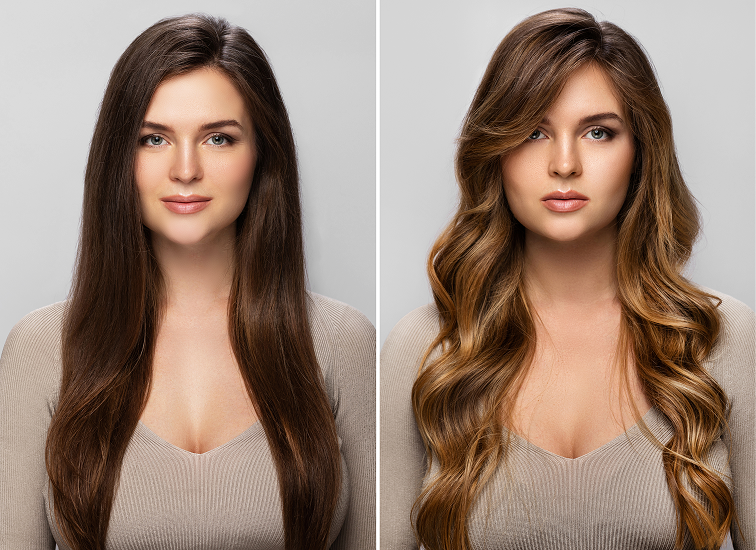
Deciding between balayage and highlights involves more than just the technique—it also considers how the color process works with your hair, your features, and your daily life.
Warm undertones: Honey-tones, caramel, or golden balayage color will look nice and natural on warm undertones. Highlights will give you a brighter look, but they will also complement warm tones well.
Cool undertones: Ash or icy highlights will look lovely on cool undertones. A soft beige balayage will provide balance.
Availability: Maintaining balayage with a busy lifestyle can be challenging, but growing out the softer regrowth is more manageable.
Touching up: Highlights' best feature is the opportunity to make regular changes to the look and make tonal adjustments.
Considering these factors will help you better understand the personal suitability of balayage vs. highlights in a broader sense.
Selecting the Appropriate Method for You
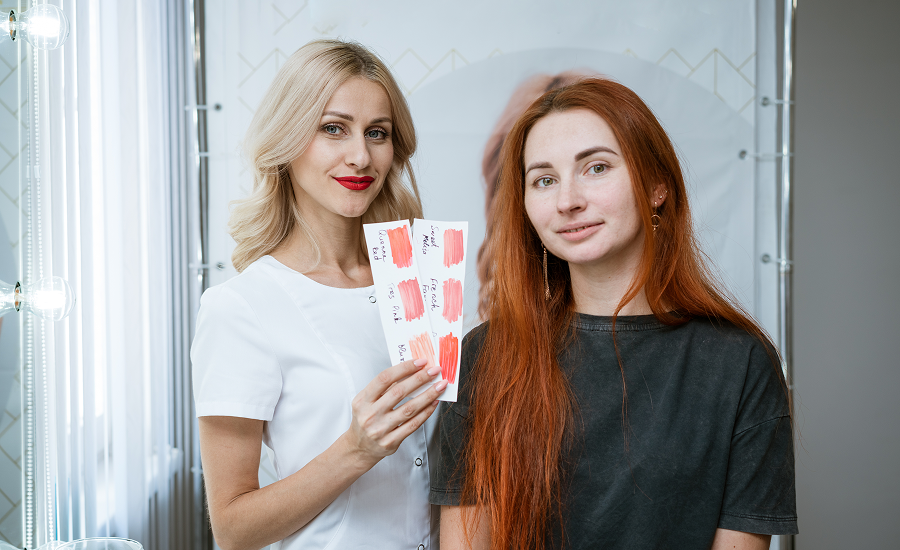
It is best to consult with a stylist about your specific needs, but finding a balance comes when determining whether to invest in balayage or highlights, considering your ambitions, financial resources, and time commitment. Balayage may be your best choice for achieving effortless, seamless, and natural-looking brightness. If you prefer bright, noticeable colors and don't mind visiting the salon regularly, then highlights are the perfect choice.
The consultation with a professional stylist will ensure the right choice of technique, tailored to your skin color, hairstyle, and future hair treatment preferences.
How CM Salon Elevates Your Hair‑Color Experience
At CM Salon, your color journey is personalized: we use guided shade‑matching tools, strand-level diagnostics, and bond‑building treatments backed by professional training. Our certified stylists (10+ years' experience) deliver precision placement and vibrancy retention. We combine science-backed aftercare protocols with honest recommendations, avoiding over-processing and unneeded touch-ups.
Customer Inclusion
At CM Salon, we offer premium hair‑color services tailored to your unique needs:
CM Salon’s Professional Color Service provides:
Custom-blended permanent or demi‑permanent formulas matched to your skin tone and lifestyle.
Techniques like balayage, ombré, highlights, or colour melt are executed with strategic placement and depth control.
Our service solves common hair color frustrations:
Prevents fading and dryness with a post-color care package that includes sulfate-free shampoos and professional gloss treatments.
Protects hair integrity using bond-repair treatments before and after coloring, extending vibrancy and minimizing breakage.
Conclusion
Balayage and highlights can both darken and brighten the hair, but in terms of application and effect, they differ. The difference between balayage and highlights is that balayage is a method of highlighting hair, a technique applied to dry hair.
Balayage is a hand-painted, natural, and low-maintenance technique.
Highlights are foil stronger and more vibrant and come with increased maintenance costs.
Whether it's soft, caramel accents on brunettes or icy highlights on blondes, both ideas are still highly sought-after hair coloring solutions offered at salons around the globe. To achieve the best results, consult with a stylist who can personalize your color to suit your features, lifestyle, and style aspirations.
FAQs
-
Balayage and highlights are two hair coloring methods that add a lighter color to the hair, although they have different applications and looks. Balayage is a free-style technique of painting that does not use a comb; instead, the color is applied freely, so it appears as though it is swept across sections of the hair, producing a sun-kissed, natural look. It is more concentrated on the mid-lengths and ends and has less pronounced contrast between the bottom color and the lighter tones. Highlights, conversely, are carried out by using foils so that they saturate the locks covering the stems down to the roots. This produces bold lines that are defined and stand out more clearly against the natural shade. The primary difference between balayage and highlights is that, unlike highlights, balayage is subtle and less high-impact, whereas highlights require more maintenance but create a dramatic effect. Both can be adjusted to suit different hair types, colors, and styles; however, it is necessary to choose one according to whether you need a natural blend or a more dramatic, structured look.
-
The most significant distinction between balayage and highlights lies in the way the color grows out. Balayage is typically not applied to the roots; this makes regrowth appear softer and less noticeable. This means you can easily go three to four months without a touch-up, making it a good choice for busy individuals or those with low-maintenance hair care routines. Highlights are laid nearer the root and appear thicker to show growth. Due to this, the majority of the clients revisit the salon in six to eight weeks to have their appearance renewed. So, when it comes to defining the difference between balayage and highlights in terms of maintenance, balayage lasts longer with fewer visits, but it provides lower contrast. In contrast, highlights are more demanding in terms of upkeep, but they also appear brighter and bolder.
-
For brown hair, balayage achieves a natural, subtle blending of tones, such as caramel, toffee, or honey, creating a seamless, effortless look. It introduces an air of warmth and depth without dominating the underlying natural base, making it preferable for brunettes who prefer a more natural, sun-kissed look. Brown hair with highlights is, in turn, more dramatic. The accent on blonde highlights against the brunette base creates a surprising contrast, elevating the entire hairstyle. It is a matter of personal preference as to the difference between brown hair balayage and highlights. Balayage makes brunettes appear textured and lived-in, while highlights, on the other hand, appear dramatic. Both can accentuate brown hair, but the former is most often chosen for a gentle grow-out, while the latter is the most suitable when someone wants to make a noticeable change.
-
Balayage can cost more than highlights because it takes a significant time investment and skill to do. The application of colour is usually freehand, but a stylist can customize the colour to be applied, giving it a natural and thick look. A more regular pattern, such as highlights using foil,s is cheaper at the first appointment. Maintenance alters that calculation. Balayage generally lasts longer without noticeable regrowth, and thus a client might only require a touch-up every three to four months. Highlights need to be refreshed every 6 to 8 weeks to keep them fresh and prevent uneven edges from forming. In the long term, highlights are more expensive since they require frequent salon visits. Considering what balayage vs highlights is financially, balayage is pricier in the outset, but highlights may be costly in the long term.
-
The perfect solution is to consider your style, lifestyle, and preferences regarding maintenance. Balayage is the best option if you are interested in achieving a natural, low-maintenance look with a flawless, natural-looking growth pattern. It is especially luscious to a brunette who desires a faint warmth or to anyone who wants a sun-kissed look. Do you want clear, distinguishable streaks and are comfortable making more visits to the salon? Then highlights are a better choice. The other consideration is the amount of lightness that you desire to attain. Balayage generally provides dimension, but not dramatic contrast, whereas highlights are capable of lightening hair a few shades to produce a brighter effect. To understand the real impact, you can request that the stylist present you with a comparison and contrast image of balayage versus those highlights. This will provide you with a visual clue of the difference between balayage and highlights, allowing you to determine which one better suits your needs.
