
How Often Should You Get a Haircut? A Stylist’s Guide for Women
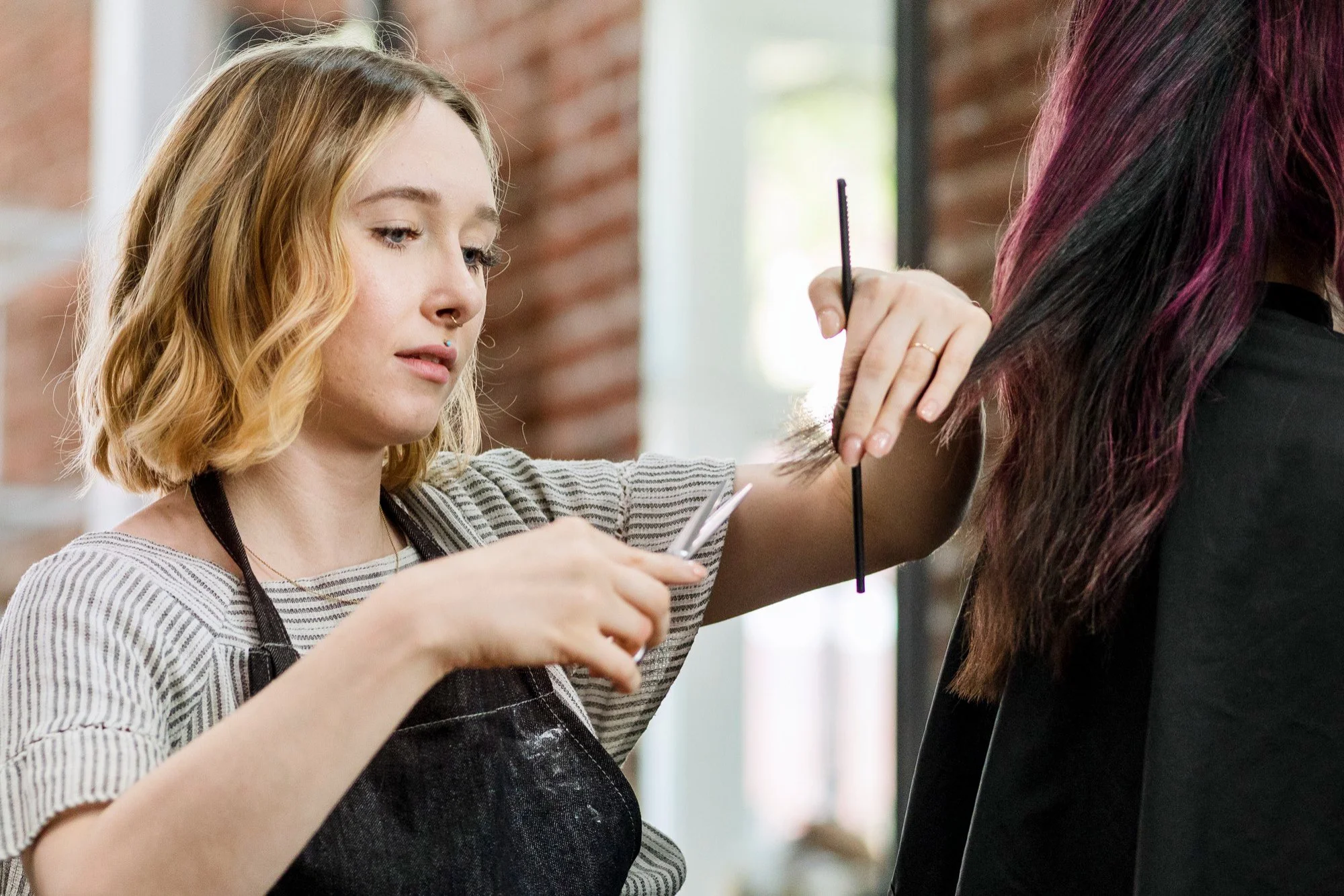
Have you ever caught yourself in the mirror, fiddling with your hair, and wondered if it's been too long since your last haircut? This is something many women face as they try to determine the "right" time to get a haircut. For some women, this means getting a haircut every 6 weeks; for others, this means a haircut every 4 months; and for others, it means when it just becomes so heavy and unmanageable.
The truth is that there is not just one magic number. The frequency of your haircuts will take into account several things about your hair, including your cut, texture, lifestyle, and grooming habits. Once you have a good understanding of these things, you can create a reasonable time frame that will keep your hair healthy while looking fresh and maintaining your confidence.
This guide explores how often women should get a haircut and why trims are essential for healthy, stylish hair. It covers factors like style, texture, color, lifestyle, and seasons that affect trim frequency.
Why Regular Haircuts Matter
Haircuts are much more than cosmetic changes to our appearance—they are essential for keeping hair healthy. When you skip a haircut, weakness builds in your hair gradually, and by the time it becomes noticeable, you often end up cutting off more than you planned.
When you think about it, you are putting stress on your hair in many ways over a week or a month: brushing, curling, straightening, blow-dry styling, ponytails, and excessive friction with your pillow, to name a few.
The ends of our hair are the oldest part of the hair and, of course, the most delicate. When the ends of our hair split, the break does not stop there; it continues up. This is why your stylists say that and why regular haircuts "save length" in the long run.
A haircut helps preserve the integrity of your hair and style. A cute bob, as it grows out, starts to look bulky when it is meant to be a bob; layer cuts start to look heavy and lose their movement. Your hair seems polished instead of accidental, or part of an unstyled stage. Overall, regular haircuts have both beauty and wellness practice implications; they keep your hair strong, manageable, and always looking its best!
How to Know When It’s Time for a Trim
1. Changes in the Ends
The tips of your hair often give the first signal. When the ends start looking uneven, fragile, or lose their smooth texture, it usually means a trim is needed. These changes might seem small at first, but they affect your hair's overall appearance. Keeping the ends neat helps your style look fresh and graceful instead of heavy or unfinished.
2. Loss of Shape and Shine
A haircut that has grown out of shape can make layers look heavy and stop framing your face in a flattering way. You might also notice that styling feels more difficult, volume doesn’t last as long, or the natural shine seems to fade. These subtle changes show that your cut is no longer working for you. A gentle refresh would bring back softness and balance.
3. More Tangles Than Usual
If brushing your hair feels harder or tangles appear more often, it can be a sign that the ends are unhealthy. Fragile tips tend to catch on each other, making your hair more complicated to manage and less smooth. A light trim removes those tired ends, keeping your hair easy to style and comfortable to wear every day.
Trim Frequency Based on Hair Length and Style
The haircut you choose plays the most significant role in the frequency of visits. Each haircut has its peculiarity, including:
Short haircuts:
These are (like pixies and blunt bobs). Hair grows fast. Even a 1/2 inch can completely change the shape. For shortcuts, I'd recommend coming in every 6-8 weeks.
Mid-length haircuts
These are like (shoulder-length lobs or framed bobs). The shape is less drastic, so trimming every 10-12 weeks maintains shape while not requiring the regular upkeep.
Long hair
It can go twelve to sixteen weeks, but waiting longer often leads to problems. Split ends usually shoot up the shaft of hair, and whenever you do come in, you're frequently losing more than you wanted.
Bangs
It's a different story. Blunt bangs require upkeep and can start to look untidy in three to four weeks. Curtain bangs are softer, and you may stretch them out to about six weeks.
When considering when to get your hair cut, think of it as a way to protect both your hairstyle and health. When you wait too long, you'll end up with a bigger and deeper refresh later.
Trimming Needs for Color-Treated Hair
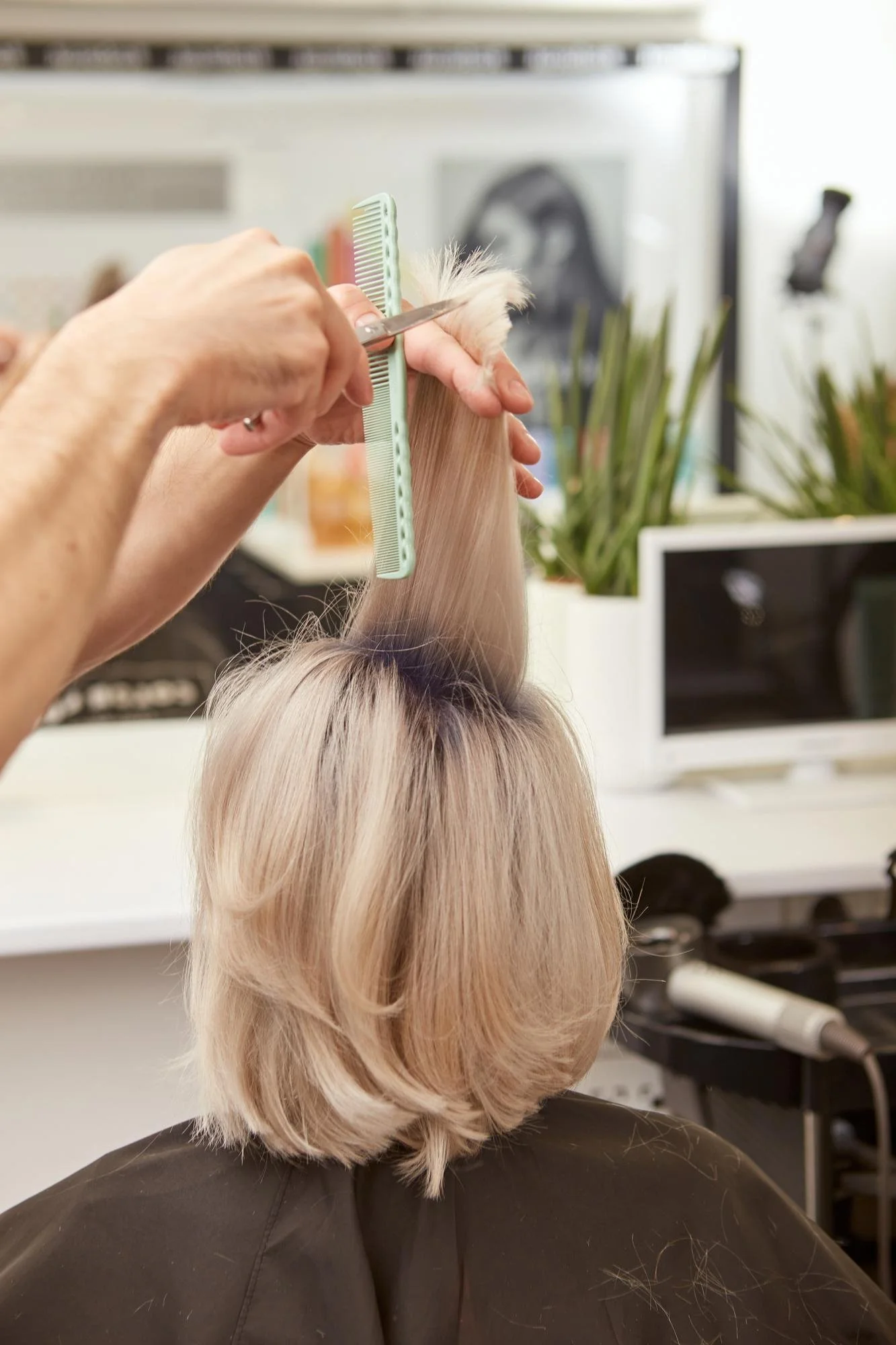
Coloured hair usually requires more trimming services. Chemical services such as highlights, balayage, or bleaching open the hair's cuticle and result in dryness and splitting of the hair. Generally, for women who colour their hair, eight to ten weeks is the sweet spot. It only makes sense to schedule cut appointments at the same time as a colour appointment. You're protecting your ends while also refreshing your hair colour. You're not placing more pressure on your strands, and your hair colour will always look fresh. In between trims, hydrating masks and/or nourishing oils will keep your hair soft and maintain its elasticity as much as possible.
If you frequently heat style your coloured hair, you may need trims every six to eight weeks to protect it from two sources of stress.
How Lifestyle Affects Trim Frequency
Daily Habits:
This will have the same impact as your haircut or your hair texture. If you love to blow-dry, use curling wands, or have slick ponytails, your ends will become fragile sooner. If you air-dry your hair, use heat protectants, and brush gently, you can stretch page dates.
An active lifestyle also influences your hair. Frequent sun exposure, time in the water, or even regular workouts that cause sweating can leave your ends more delicate and in need of extra care. As a result, women who swim or spend a lot of time outdoors may need to schedule trims more often. In the same way, if you wear tight hairstyles of any length, like buns or braids, your hair is subjected to tension.
The haircut should reflect your life. If your life does not permit salon visits every six weeks, do not choose a hairstyle with constant upkeep. Select a style with softer, forgiving shapes that look great as they grow out.
Seasonal Changes and Their Impact
Also, the seasons affect the way your hair acts and how often you should get trims. In the summer, the sun, saltwater, and chlorine drying the ends would make a trim every eight to ten weeks ideal, whereas in the winter, dry air and static can dry the tips, and a light dusting trim can help alleviate breakage.
Many women find that the seasonal changes work well with light updates - a little more layering in the summer for that more movement, or a slightly longer cut in the winter for warmth and ease.
Where Professional Advice Helps
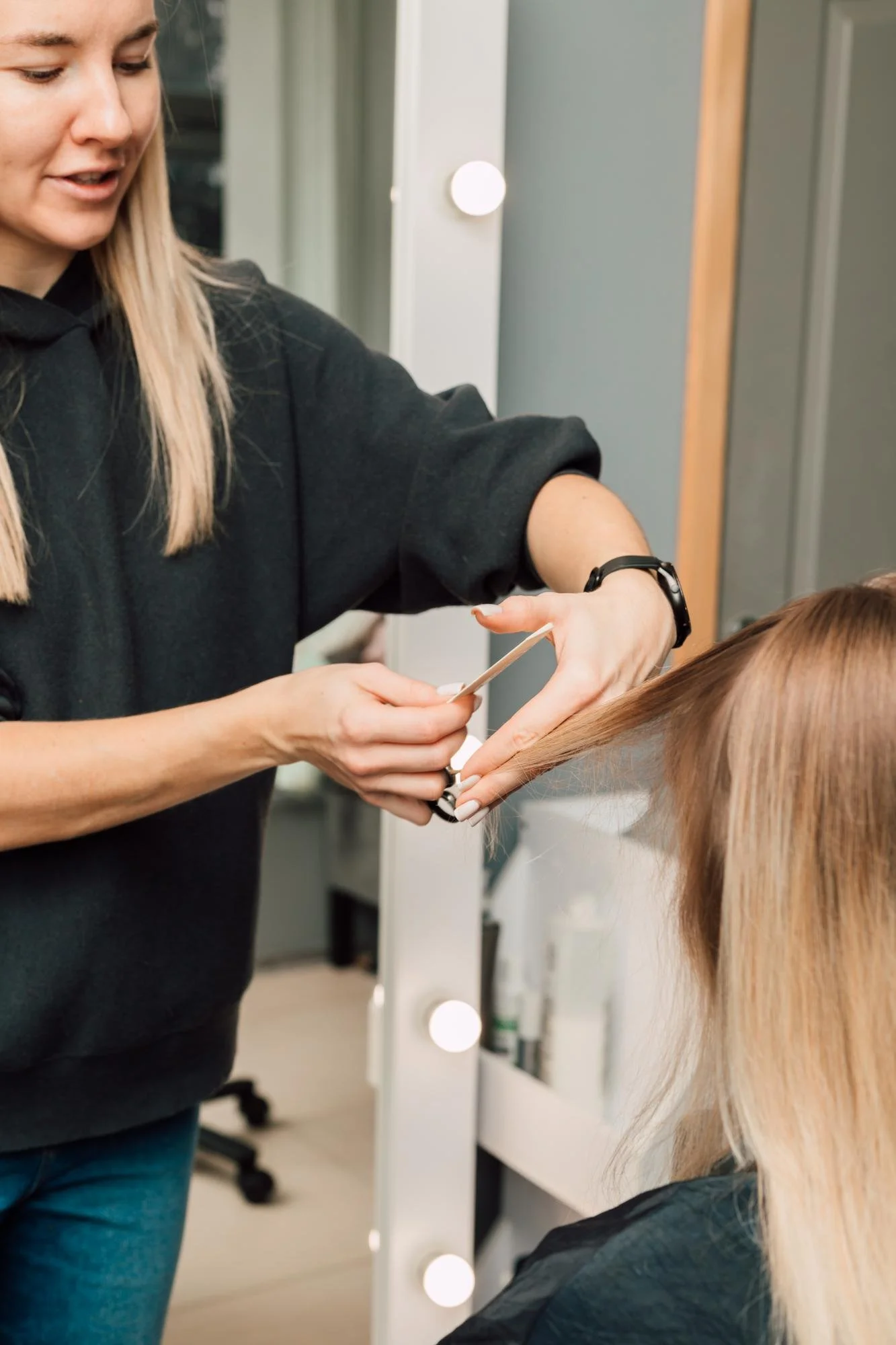
Guides like this provide clarity, but a stylist's eye is essential. Professionals don’t just think about your cut and texture; they also observe growth patterns and how your hair reacts to products. They consider whether your lifestyle puts more stress on your hair than you might realize.
At CM Salon & Spa, stylists merge technical skills with real-world experience. We assess your hair's health, your styling habits, and your color history before recommending how often you should trim. This way, you leave not only with a beautiful haircut but also with a personalized schedule that works for you.
Conclusion: Finding Your Rhythm
So, how often should you get a haircut? The answer isn’t one-size-fits-all; it’s about balance. Short hair needs shaping more often. Long hair can go longer between trims, and colored hair requires regular maintenance. Your hair type, lifestyle, and habits help determine the timing.
Instead of focusing on a specific number, pay attention to your hair. Notice how it feels, how easy it is to style, and how healthy it appears. Regular trims do more than improve your looks—they boost your confidence, make styling easier, and contribute to self-care. Once you find the schedule that works for you, haircuts can feel less like a chore and more like part of your beauty routine.
FAQs
1. How often should I trim my hair if I want to grow it long?
It might seem strange to cut your hair when you want it to grow, but trims are actually essential for healthy length. If you skip them, split ends can travel up the hair, leading you to cut more than you planned. The best way is to schedule light trims every ten to twelve weeks, removing about ¼ to ½ inch. This prevents weakness while still allowing your hair to get longer. Pairing trims with healthy habits—like using less heat, protecting your hair at night with silk or satin pillowcases, and applying nourishing masks—will improve your growth journey. Over time, this balance helps you grow hair that is not only longer, but also thicker, shinier, and stronger.
2. Does trimming my hair make it grow faster?
Hair grows from your scalp, not the ends, so trims don’t change how fast it grows. What they do is protect the length you’ve already gained. Without trims, tired ends break off, making hair appear stuck at the same length. That’s why many women feel their hair isn’t growing, even though it is—it’s breaking faster than it grows. By trimming regularly, you can remove weak ends before they snap off, allowing you to see progress. Clean ends also make your hair look healthier and fuller, which creates the illusion of faster growth. In short, trims don’t make your hair grow faster, but they help keep the hair that grows intact, giving you length you can maintain.
3. Can curly or textured hair go longer between cuts?
Yes, curly and textured hair can often go longer between trims compared to straight hair, sometimes up to twelve to sixteen weeks. Curls and coils naturally hide split ends due to their volume and pattern. However, a longer wait doesn’t mean you can skip trims altogether. Even without noticeable splits, curls can lose shape as they grow, resulting in less definition and more frizz. Trimming adds bounce back to curls, reshapes layers, and makes the pattern look neat again. Think of trims for curly hair not just as uneven control but also as styling maintenance. They keep your hair looking intentional instead of weighed down. If you want your curls to stay springy, shiny, and easy to manage, trimming every three to four months is ideal.
4. What happens if I don’t trim my hair at all?
Skipping trims may seem like a way to achieve length faster, but it often leads to the opposite outcome. Without trims, split ends can keep climbing higher up the hair shaft, which causes frizz, tangles, and eventually breakage. Your hair may start to feel rough, lose shine, and appear thinner at the ends. When this strain accumulates, stylists often have to cut off several inches just to restore health. Avoiding trims doesn’t save length in the long run—it ends up costing you. Regular trims, even just a light dusting every few months, help prevent this cycle. They keep your style looking fresh, your strands smooth, and your length goals achievable. Trims aren’t about cutting your progress; they’re about protecting it.
5. How can I make my haircut last longer between salon visits?
If you want to extend the time between trims, focus on daily care to protect your ends. Always apply a heat protectant before using styling tools, as heat is a major cause of dryness and breakage. Brush gently, especially when your hair is wet, and use detangling sprays or wide-tooth combs to prevent snapping strands. Sleeping on silk pillowcases reduces friction that can cause frizz and split ends. Weekly hydrating masks keep your ends soft and help prevent brittleness. This keeps your ends neat without changing the length. By combining these habits with regular trims, your haircut remains healthier for longer, and you’ll feel less need to rush back to the salon.
