
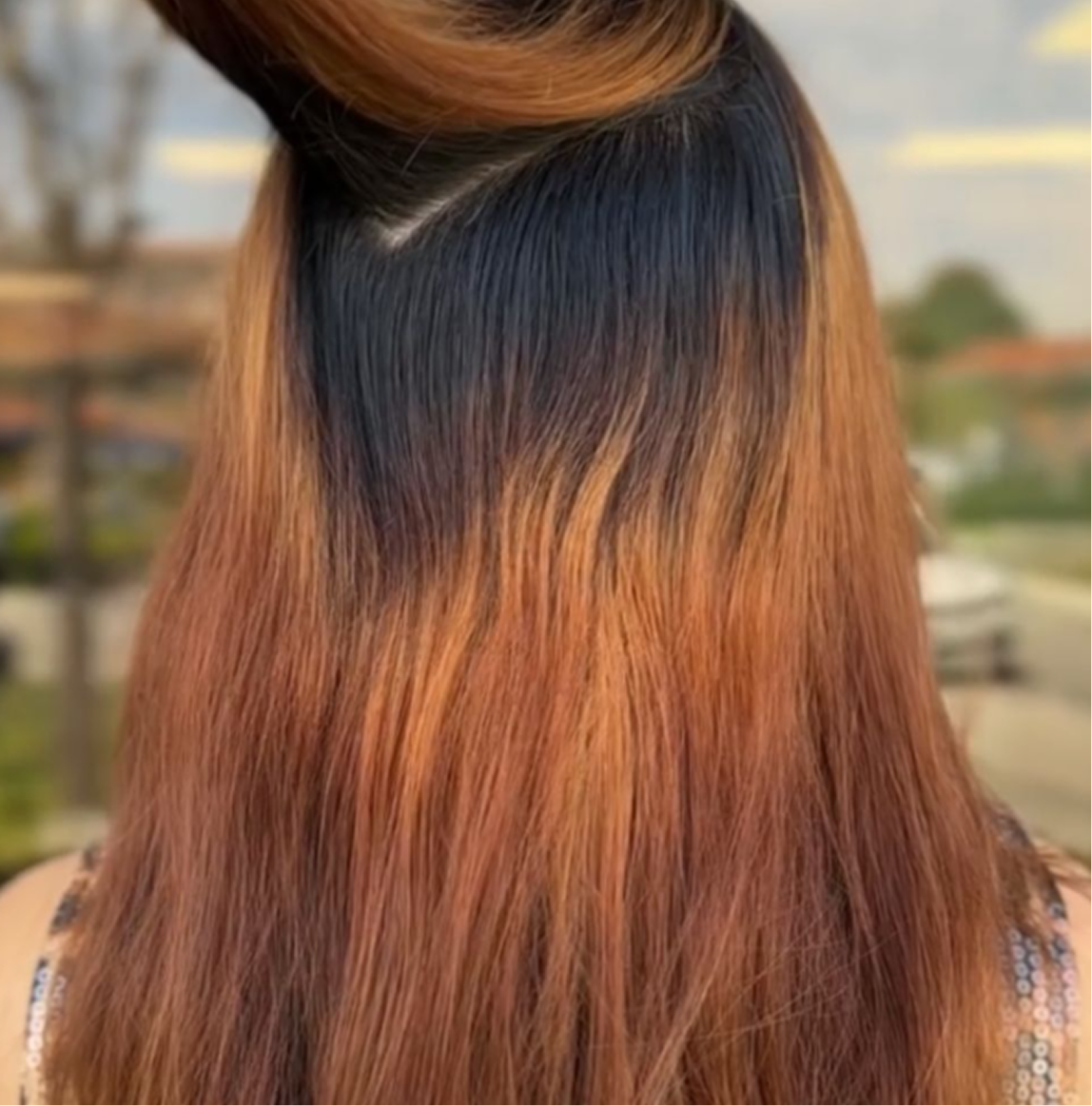
Red & Orange Hair Color Correction in Chicago
If you’re dealing with stubborn red dye, brassy orange tones, or a color result that didn’t turn out as expected, CM Salon & Spa specializes in red and orange hair color correction in Chicago. Our professional colorists correct unwanted red pigment buildup and neutralize brassy tones to restore balanced, natural-looking color.
Because red and orange tones can be difficult to fix without professional expertise, every correction begins with a consultation. We evaluate your hair’s color history, condition, and current tone before creating a customized plan to safely restore beautiful, even color.
Our Hair Cleanse & Style Services:
Color Correction
$500
Our color correction service begins with a professional consultation where our stylists evaluate your hair history, current tone, and desired result to create a safe and effective correction plan.
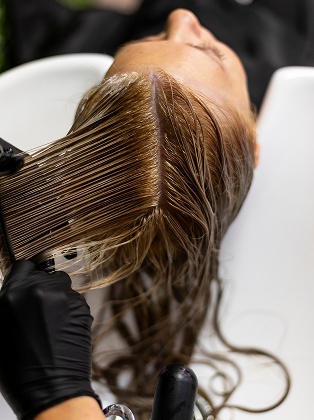
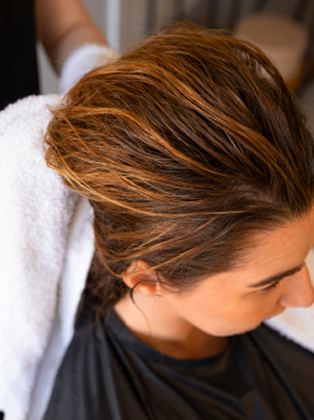
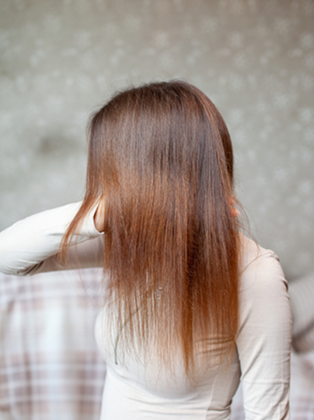
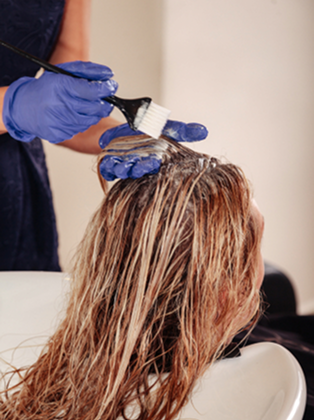
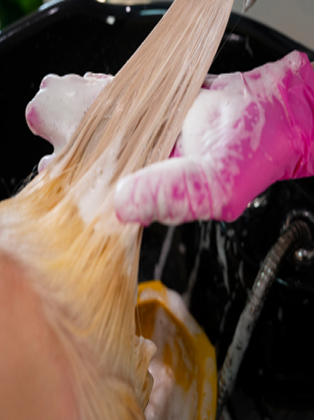
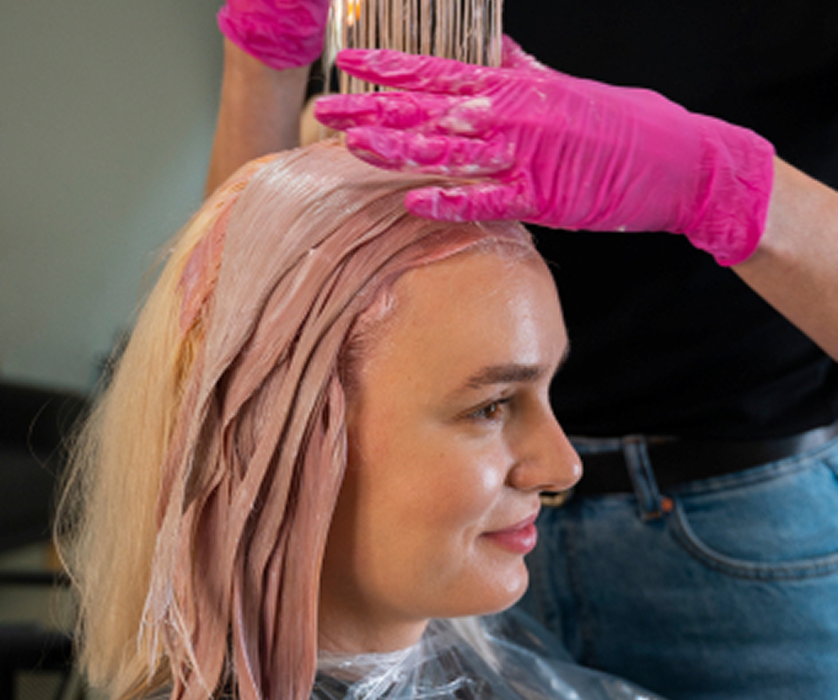
Red vs. Orange — Two Different Problems & Fixes
Many people searching for help correcting red hair color or fixing brassy orange hair assume both problems are the same, but they require different correction methods. Red hair issues usually occur when permanent red dye is applied repeatedly, creating pigment buildup over time. Because red pigment penetrates deeply into the hair shaft, correcting it often requires removing or lifting the artificial color before applying a new tone. Orange or brassy hair typically appears after bleaching or lightening dark hair when underlying warm pigments remain. In these cases, professional colorists use targeted toners based on the color wheel. Blue toners neutralize orange tones, while blue-violet toners help correct yellow-orange brassiness.
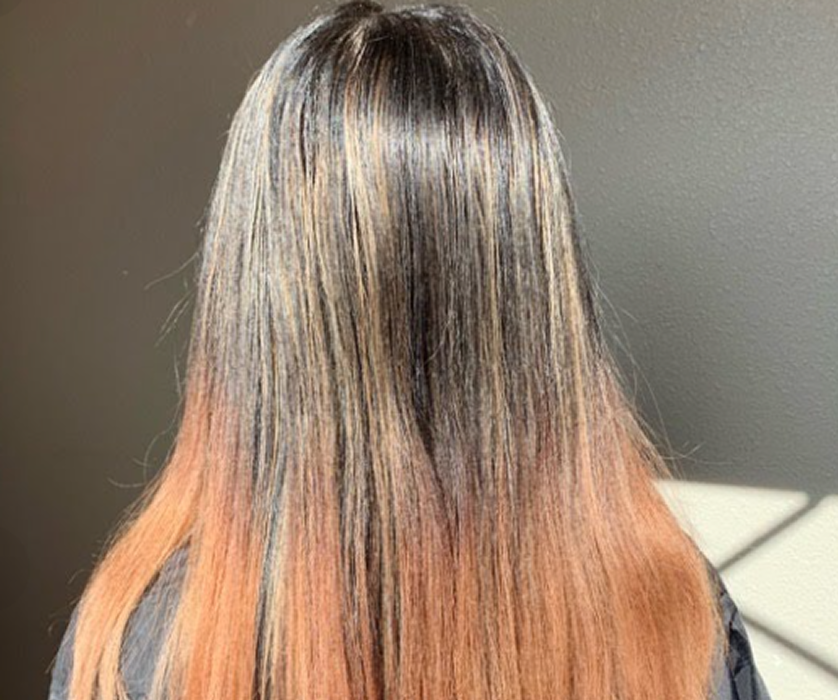
How CM Salon & Spa Corrects Red Hair Color
Every red hair color correction at CM Salon & Spa begins with a consultation to review your hair history, current tone, and desired result. The stylist evaluates prior color services and the hair's overall health before planning the correction. Depending on the situation, the process may involve toning, pigment removal, or gradual lifting over multiple sessions. Brassy or orange tones are neutralized with blue or blue-violet toners, while stubborn red dye may require color removers or controlled lightening, followed by a balancing gloss.
Frequently Asked Questions
-
Red hair is difficult to color-correct because red pigment molecules are among the smallest and most deeply penetrating molecules used in hair dye. These pigments settle deep inside the hair shaft, making them harder to remove compared to many other colors. Over time, repeated coloring can cause layers of artificial red pigment to build up in the hair, further complicating the correction process. When colorists work to correct red tones, they often need to gradually lift the pigment while protecting the hair’s integrity. This process requires careful formulation, professional products, and patience to achieve an even, healthy-looking final color.
-
The number of sessions needed for red hair color correction depends on several factors, including the current shade of red, the type of dye previously used, and the final color you want to achieve. In some cases, if the adjustment is minor—such as softening overly warm tones—correction may be possible in a single visit. However, if the goal is to remove deep red pigment and transition to a much lighter color like blonde, the process usually takes two to three sessions or more. Professional colorists often space these appointments out to protect the hair, allowing time for conditioning treatments and recovery between services.
-
Orange tones and red dye correction are two different color challenges. Orange tones usually appear after lightening dark hair with bleach, when the underlying warm pigment becomes visible. These tones are typically corrected with toners—often blue-based—to neutralize the warmth and create a cooler result. Red dye correction, on the other hand, involves removing or lifting artificial red pigment that was intentionally applied through permanent or semi-permanent dye. Because this pigment sits deeper in the hair, correcting it often requires color removers, controlled lightening, or multiple corrective steps before a new shade can be applied evenly.