
TL;DR
● Color correcting bleached hair starts with a consultation and a paced plan.
● Brassiness, uneven blondes and banding are common post-lightening issues.
● At-home fixes often layer pigment and complicate the correction.
● Hair health shapes the number of visits and the timeline.
● Bond-building treatments help protect integrity during correction.
Bleached hair that turned brassy, uneven or over-lightened can leave you unsure whether it can be saved, but color correcting bleached hair is exactly what the colorists at CM Salon & Spa handle. The service starts with a consultation and is paced to protect hair health. You can explore color correction in Chicago → https://www.chicagohaircolorsalon.com/color-correction to see how it works.
What Is Color Correction on Bleached Hair?
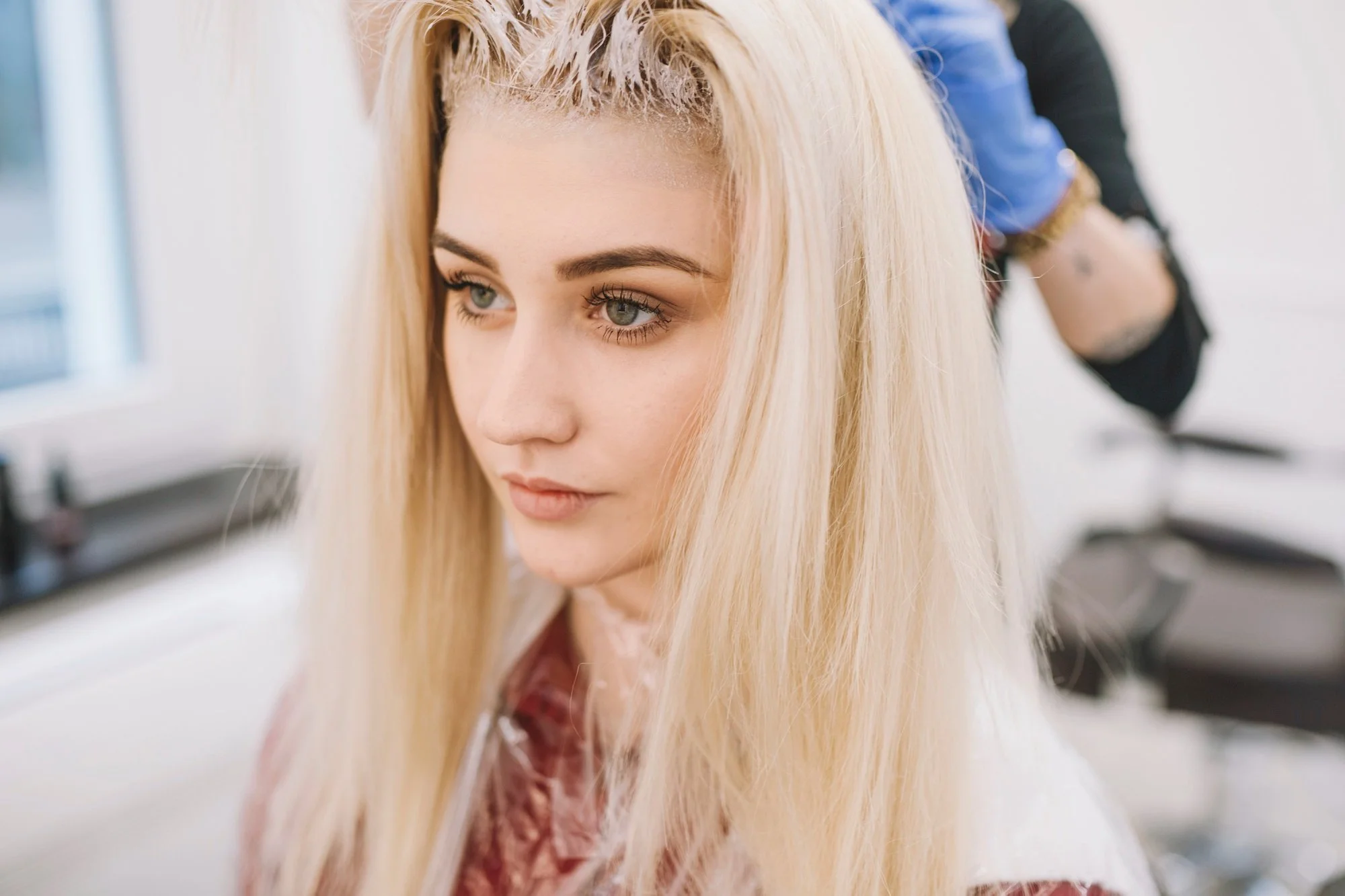
Color correction fixes unwanted tone, uneven color or damage left behind by earlier lightening. For bleached or over-lightened hair, color correction for bleached hair addresses the pigment and condition that a routine appointment would not. The plan starts by assessing your color history and the current state of the hair. This is not the same as a standard color service. It works through underlying problems first, rather than simply adding a new shade on top.
Common Problems on Bleached Hair
Brassiness, uneven blondes, color banding and over-processed hair are all scenarios the colorists at CM Salon & Spa correct regularly. When lightening removes dark pigment, warm pigment is often left behind, which creates unwanted warmth across the hair. Correcting blonde hair color usually means neutralizing that warmth and evening out patchy sections. Brassy hair color correction is one of the most common requests. Deeper red or orange correction sits on a separate service page and is handled under its own plan.
Why At-Home Fixes Often Fall Short
Reaching for more product when color goes wrong is understandable, but hair color correction at home frequently makes the problem harder to solve. Each box dye or toner you apply layers more pigment onto the hair. That added color masks the real condition underneath, so a colorist has to work through those extra layers before reading what is actually happening. Fixing color mistakes yourself can deepen banding or patchiness. It helps to pause and let a professional assess first.
How a Colorist Assesses Bleached Hair
Understanding how to color correct hair begins with what the colorist does during the consultation. They review your full color history and look closely at the current condition of the hair. This hair health assessment determines the safest path forward, since over-processed strands need a gentler approach. The consultation also clarifies your goals and whether the hair can handle further lifting right away. A client does not need to know the exact target color before booking this conversation.
Toning, Filling and Depositing Color
Correction draws on a few core techniques. Toners neutralize unwanted warmth using blue or violet based formulas, which is often enough to soften brassiness. Other situations call for lifting, filling or blending specific sections to even out the result. Filling replaces missing pigment so color sits more evenly, while blending smooths banding. A clear hair color correction before and after comes from matching the right method to the hair. Our hair color services in Chicago cover these approaches in detail.
When Bleached Hair Needs a Staged Plan
When hair is badly lightened or compromised, the colorist develops a staged correction plan rather than forcing everything into one sitting. If the integrity is already stressed, conditioning or a brief recovery period may come before any further coloring. Bond-building treatments are incorporated to protect hair integrity along the way. Spacing the work out gives the hair time to recover between steps. This paced approach keeps the focus on healthy hair, not just a quick visible change.
What Affects the Number of Visits
The number of appointments depends on where the hair starts. A simple toning fix to soften brassiness may be resolved in one session. More complex work, such as overlapping dye or uneven bleach, often needs multiple appointments spaced over time to protect hair health. The condition of the hair is the main factor, since damaged strands cannot be pushed quickly. Your consultation sets a realistic timeline so you know what to expect before the first product is applied.
Aftercare and Deep Conditioning
Good aftercare helps corrected color last. A sulfate-free, color-safe shampoo preserves your results by cleansing gently without stripping tone. Pairing it with a color-protecting conditioner keeps strands hydrated, and periodic deep conditioning supports hair that has been through correction. These habits matter more on hair that was lightened, since it tends to be more porous. At the end of your appointment, the colorist gives product recommendations tailored to your hair so you can maintain the result at home with confidence.
How to Prepare for Your Color Correction Appointment
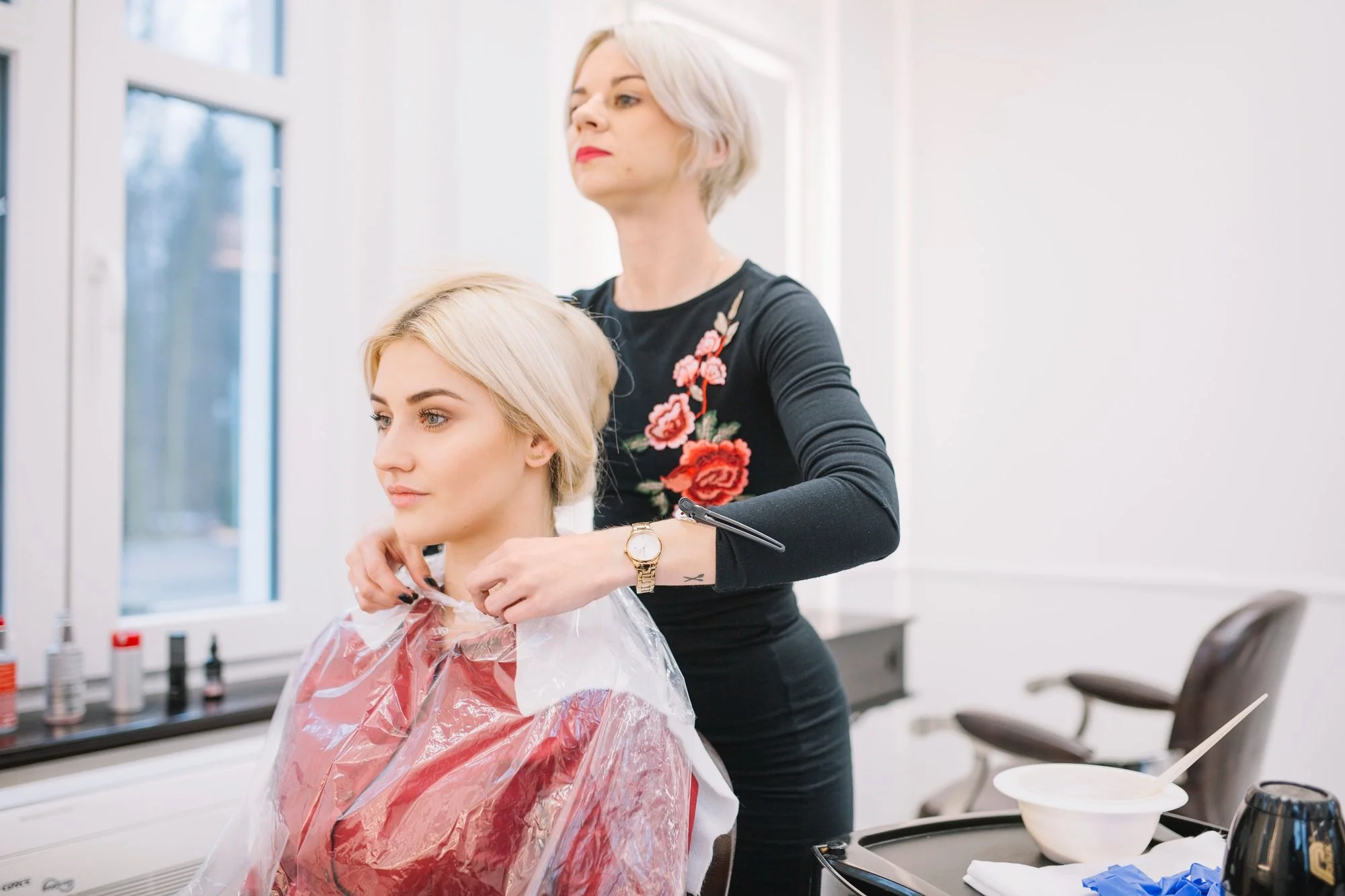
A little preparation makes your appointment smoother. Arrive with clean, product-free hair so the colorist can read its true condition and tone. Avoid applying box dye or toners at home in the days beforehand, since fresh pigment complicates the assessment. Limit heat styling leading up to the visit to keep strands in their natural state. Bring a few reference photos of the result you have in mind. These simple steps help your colorist plan the safest path forward.
Hair Color Correction Before and After: Setting Expectations
Honest expectations matter here. Most color issues can be corrected or significantly improved, depending on your starting point and goals. Correcting brassy highlights is generally more straightforward than lifting very dark box dye, which takes more patience and often more time. A realistic plan favors gradual improvement over forcing a dramatic change in one sitting. Because every head of hair differs, your colorist sets expectations based on what your hair can handle rather than a fixed outcome.
Color Correcting Bleached Hair at CM Salon & Spa
Color correcting bleached hair at CM Salon & Spa begins with a complimentary consultation before any product is applied. The colorists review your hair’s history and condition, then build a plan that incorporates bond-building treatments to protect hair integrity. Backed by 45+ years combined experience, the team works through tone, evenness and health together. The salon sits in Chicago’s Lakeview and Boystown communities on Halsted Street. Learn more about hair color correction in Chicago and how the process is approached here.
Color Correcting Bleached Hair: Your Next Step
Color correcting bleached hair starts with a consultation and a paced plan built around the condition of your hair. Hair health shapes the timeline, so simple toning may move quickly while heavily processed hair takes a more measured route. The goal is tone and condition that hold up over time, not a rushed fix. If you are ready, a complimentary consultation is the natural first step. You can also browse our frequently asked hair color questions beforehand.
FAQs
-
Most color issues can be corrected or significantly improved, depending on where the hair starts. For color correction for bleached hair, the colorist weighs tone, evenness and overall hair health during the consultation. If the hair is compromised, a staged plan may be the safest route, giving strands time to recover between steps. A cut is not the automatic answer. The assessment comes first, and the plan is shaped around what your specific hair can realistically handle.
-
Brassiness responds well to toning, where blue or violet based formulas neutralize the warm pigment left behind after lightening. How quickly it resolves depends on severity. Mild brassiness may soften in a single session, while deeper or uneven warmth can take more than one visit. The exact approach is set during your consultation, where the colorist reads the tone and condition of your hair. Fuller red or orange correction is covered on the dedicated color correction page.
-
Color correction is designed to protect your hair, not punish it. The colorists incorporate bond-building treatments to support integrity throughout the process. Some processing is necessary to shift tone or lift unwanted color, so the focus stays on minimizing stress and maintaining hair health at every step. When hair is already compromised, the work is paced and conditioning may come first. Done thoughtfully, correction prioritizes the long-term condition of your hair alongside the visible result.
-
Toning is a single step, often used to neutralize warmth and refine the tone of blonde hair. Correcting blonde hair color can be more involved than that. Color correction is the broader plan that addresses underlying problems, and it may include lifting, filling and blending in addition to toning. Think of toning as one tool inside the larger correction process. Which tools are needed depends on how the hair has been affected by earlier color.
-
A box dye situation is assessed first, since the colorist needs to understand how much pigment has built up and what condition the hair is in. From there, the fix may involve lifting, toning or blending, matched to what the hair can handle. Applying more box dye at home usually adds to the problem by layering further pigment. The consultation builds the plan, and a staged approach is used when the hair needs time to recover.
-
A regular color service applies a chosen shade to hair that is in a predictable state. Color correction for bleached hair works differently, addressing underlying problems first, such as unwanted warmth, patchy blondes or compromised integrity. Because of that, correction often takes more time and planning to reach a clean hair color correction before and after. The colorist maps the steps during the consultation, then works through them in a sequence that keeps the hair healthy along the way.
