
TL;DR
● Winter hair color trends center on warm browns, soft blondes, rich reds and bronde blends.
● The right shade depends on your skin tone, base color and upkeep tolerance.
● A gloss adds shine and can enrich natural color with minimal commitment.
● Sulfate-free, color-safe shampoo and deep conditioning help hold winter color.
● A complimentary consultation matches a shade to your hair and routine.
As the weather cools, many clients ask about winter hair color trends and want a fresh seasonal look. At CM Salon & Spa, our colorists create custom hair color for every season. Warm browns, soft blondes and rich reds are shade families worth discussing, and a consultation matches them to your skin tone and routine. You can explore our color services first.
Warm Browns and Soft Chocolate Tones
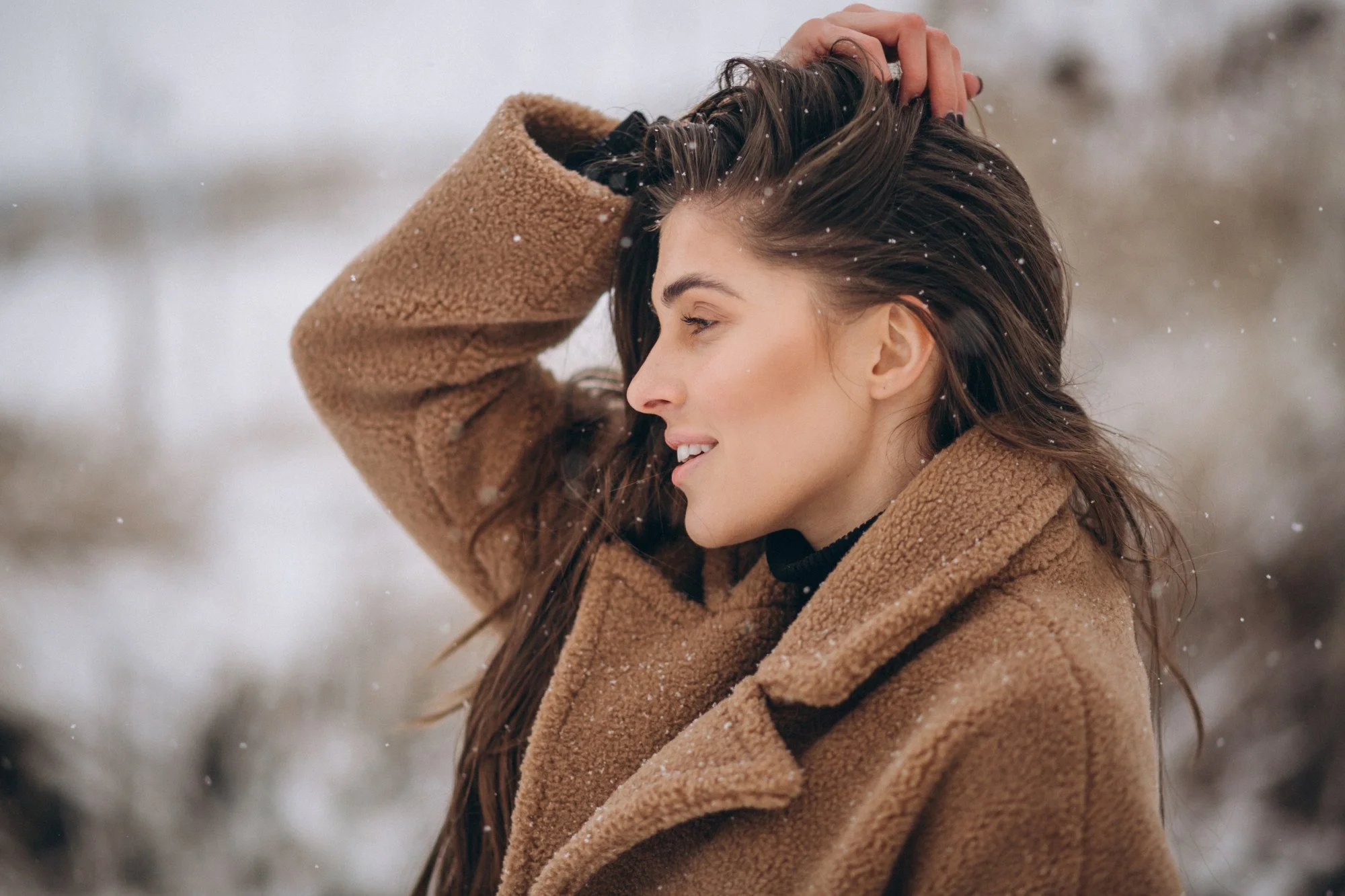
Warm medium browns with soft dimension and shine are among the most requested winter hair color ideas, described by colorists as cozy yet polished. Think chocolate brown with caramel undertones that feel rich without reading too dark. A gloss layered over the base adds shine and depth, keeping the color luminous through gray months. These glossy brunette tones suit anyone who wants warmth and movement without a dramatic lift from their natural shade.
Soft Blondes with Warm and Cool Tones
Soft blonde is a flexible choice among new hair color trends, and colorists describe velvety versions that blend warm and cool tones for a lived-in finish. A soft blonde can lean cool for crisp contrast or warm for a golden glow, depending on your preference. Keeping the roots soft rather than fully lightened often means a little less upkeep than a full bleach look, so grow-out stays gentle and natural between appointments.
Rich Reds and Soft Copper
Rich reds and soft copper have become realistic, wearable options for winter, with soft, dusty or rose-tinted coppers reading natural rather than loud. Reds range from subtle auburn to bolder shades, so there is room to go gentle or striking. Keep in mind that red tones can need more at-home care to stay vibrant, since they tend to fade faster than other families. A thoughtful shade choice keeps that warmth looking fresh longer.
Bronde and Dimensional Blends
Bronde blends brown and blonde for natural dimension, a smooth step when moving from fall hair color trends into deeper winter shades. That dimension comes from highlights and lowlights chosen for your starting shade. Brunettes may add lightness with highlights and tipped-out ends, while blondes can add deeper tones for contrast. Balayage placement makes the grow-out softer, so your color stays wearable longer without a hard regrowth line.
Low-Maintenance Winter Shades
Low-maintenance color is part of the shades clients are asking about now, and these new hair color trends favor results that grow out gracefully. Shades close to your natural base blend as they grow, reducing visible regrowth. A gloss can enrich natural color with minimal commitment, and single-process color keeps the routine simple. Rather than quoting a set timeline, your colorist sets a realistic upkeep plan based on your shade, hair and lifestyle.
Cool and Icy Winter Tones
Cool and icy winter tones offer a crisp alternative that pairs well with warm winter fashion. Ash blonde, icy blonde and cool brown read clean and modern, though they need toning care to stay that way. Lightening also calls for attention to hair health, since reaching those cooler levels asks more of the hair. If you love high contrast and a polished finish, cool tones can be a rewarding winter direction worth discussing.
Gloss and Shine for Winter Hair
Shine matters in winter, when dry air and indoor heat can leave hair looking dull. Rich shades are often finished with a gloss, which adds shine and refreshes tone between full-color visits. Pairing color with deep conditioning supports colored hair through the season. A gloss adds shine and can revive the look of your existing shade, and your colorist can advise how often a refresh fits your routine.
Choosing a Winter Shade for Your Skin Tone and Base Color
Matching a shade to your skin tone is a helpful starting point for hair color trends for women, not a strict rule. Warm cocoa browns with subtle beige reflects tend to flatter cool, neutral, olive or tan complexions, while soft black suits olive and deeper skin tones. For reds, cool copper tones often suit fair skin, deeper purple-tinged reds suit darker skin, and a brownish auburn is an accessible middle ground.
Caring for Winter Hair Color Between Visits
Caring for color between visits helps your shade last. A sulfate-free, color-safe shampoo helps preserve results, and a color-protecting conditioner with periodic deep conditioning supports colored hair through dry months. Reds and cool tones especially benefit from gentle, color-minded washing. Our colorists share product recommendations at the end of your appointment, tailored to your shade and hair type, so your home routine reinforces the work done in the chair.
How to Bring Inspiration Photos to Your Consultation

Reference photos help your colorist understand the vision you have in mind. Bringing a few images means you and the colorist can discuss the same shade using shared color vocabulary, so expectations line up from the start. Photos are encouraged, not required, and a goal described in words works too. Your colorist then adjusts the shade to your hair's history and condition, so the final result is both flattering and realistic for your hair.
Booking a Winter Hair Color Consultation at CM Salon & Spa
Ready to explore winter hair color trends in person? At CM Salon & Spa, every color look is customized to complement your skin tone, hair type and lifestyle. A complimentary consultation covers hair type, texture, current color, skin tone, personal style and upkeep so your shade fits your routine. Our team brings 45+ years combined experience and welcomes you in Lakeview and Boystown on Halsted. Learn more about our hair color services in Chicago.
Schedule a complimentary consultation to plan your winter color.
Winter Hair Color Trends: Choosing Your Shade
The winter hair color trends worth discussing come down to a few shade families: warm browns, soft blondes, rich reds and bronde blends. The right choice depends on your skin tone, base color and how much upkeep suits your routine. There is no single answer, only the shade that fits you best. Browse our frequently asked hair color questions, then schedule a complimentary consultation to find your winter color.
FAQs
-
Description text goes hereWinter hair color trends do not crown a single winner, since popularity shifts by source and personal taste. That said, a few families come up again and again. Warm browns, from chocolate to caramel-kissed tones, are frequently discussed, along with soft blondes that blend warm and cool, and rich reds ranging from auburn to copper. Each works for winter in its own way, so the better question is which family suits your skin tone, base color and upkeep.
-
Winter hair color ideas often lean warm, with shades such as chestnut, auburn, chocolate brown and caramel blonde treated as classic cold-weather choices. These tones feel rich and cozy against winter light. Cool shades work well too, from ash and icy blondes to cool browns, especially for anyone who wants crisp contrast with warm winter clothing. No single shade is right for everyone, so the strongest choice is the one matched to your complexion, hair and routine.
-
Both lighter and darker shades work beautifully in winter, so the choice comes down to the mood you want and the upkeep you prefer. Darker tones read rich and moody, which many people enjoy during the colder months. Lighter shades can brighten short, gray days and add softness around the face. Either direction can look polished for the season. Consider how much maintenance each option asks for before deciding, since that often shapes the most practical pick.
-
A low-maintenance winter color usually sits close to your natural base, so regrowth blends in and grows out gracefully. New hair color trends make this easy, with options that soften the upkeep. Balayage places color so the grow-out stays gentle, and a gloss can add tone and shine with less commitment than full color. There is no fixed timeline that fits everyone, so your colorist sets a realistic upkeep plan based on your shade, hair and lifestyle.
-
To help winter color last, reach for a sulfate-free, color-safe shampoo and add regular deep conditioning to your routine. These steps are a core part of color care for hair color trends for women across every shade family. Reds and icy tones tend to fade faster, so they benefit from extra gentle, color-minded care. Cooler water, fewer hot-tool sessions and a color-protecting conditioner also help. Your colorist can suggest a home routine suited to your specific shade.
-
Choosing a shade starts with your skin tone and base color, a helpful lens for new hair color trends rather than a strict rule. Cool and neutral tones often suit cocoa browns with subtle beige warmth, while richer, deeper shades tend to flatter deeper skin tones. Think of these as starting points, not absolutes. In a consultation, your colorist confirms the match in person, weighing your undertone, current color and hair condition before settling on the final shade.
