
Hair Color That Makes You Look Younger: Go Darker or Lighter?
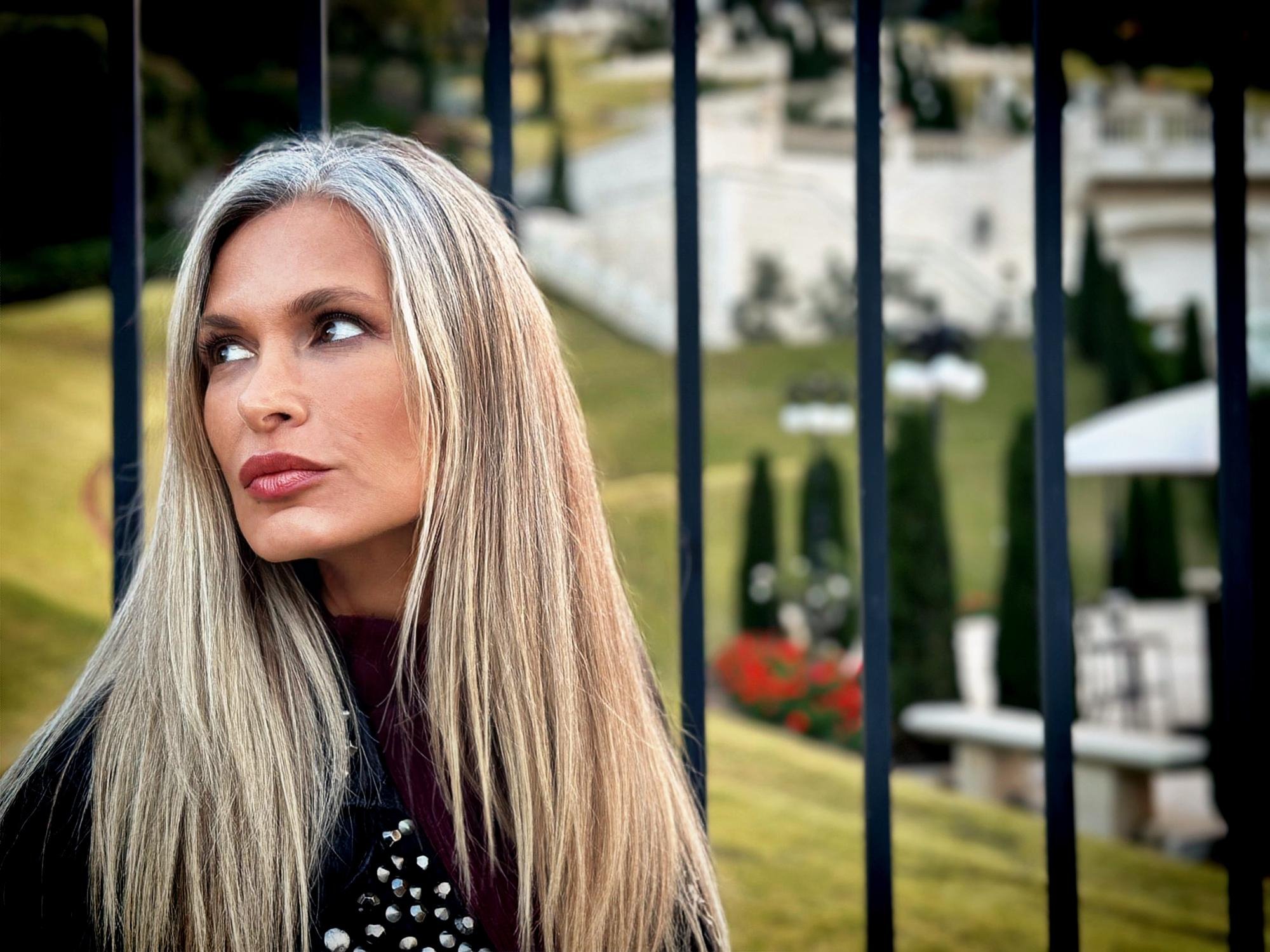
Choosing the right hair color as you age isn’t about following trends or rigid “rules.” It’s about understanding how your skin tone, undertone, gray percentage, and hair texture evolve over time—and how color can either enhance or fight against those changes.
One of the most common questions we hear in the salon is: Should you go darker or lighter with hair color as you age? The answer isn’t one-size-fits-all, but with the right framework, it becomes much easier to decide.
This guide walks you through the factors professional stylists actually consider when recommending hair color for mature clients—so you can make a choice that looks intentional, flattering, and sustainable.
Why Hair Color Choices Matter More as You Age
As we age, skin naturally loses some of its pigment saturation and elasticity. At the same time, natural hair pigment depletes, allowing gray or white strands to emerge. These shifts change how hair color reflects light on the face and how much contrast there is between hair and skin.
A color that once looked rich and youthful can suddenly appear harsh or draining. Conversely, the right adjustment—whether lighter, darker, or more dimensional—can soften features, brighten the complexion, and create a more youthful overall effect.
Hair color decisions matter more now because contrast becomes more noticeable with aging skin. Too much contrast can emphasize fine lines, while too little can make the face look washed out. Making informed choices early also helps avoid expensive corrections and overly demanding maintenance routines later.
The Lighter Hair Approach: When and Why It Works
If you’re researching hair colors that make you look younger, lighter shades often emerge as the most forgiving and flattering options for aging hair and skin.
Lighter tones reflect more light onto the face, which helps brighten the complexion and soften the appearance of fine lines. They also reduce harsh contrast, especially as skin lightens with age. From a practical standpoint, lighter shades blend emerging gray more seamlessly, making regrowth less obvious between appointments.
For many clients, the most natural-looking result comes from going one to two shades lighter than their natural color rather than making a dramatic jump. Techniques like balayage and soft highlights create movement and dimension, helping hair look fuller and more dynamic while disguising gray.
Lighter color also offers a maintenance advantage. Gray roots tend to blend more easily into lighter bases, which can extend the time between salon visits—an important factor for clients experiencing maintenance fatigue.
Lighter Hair and Specific Skin Tones
Fair skin typically pairs well with soft, buttery blondes or champagne tones, while overly icy blondes can feel too stark. Medium skin tones often look best with honey, caramel, blonde, or strawberry-blonde shades. Deeper skin tones with warm undertones benefit from golden highlights and warm caramel hues, while deep skin tones with cool undertones often require careful balancing, as very light ash blondes can be difficult to maintain and unflattering without dimension.
Before committing, undertone testing is essential to ensure the lighter shade enhances rather than drains the complexion.
The Darker Hair Approach: Authority and Drama (When It’s Still an Option)
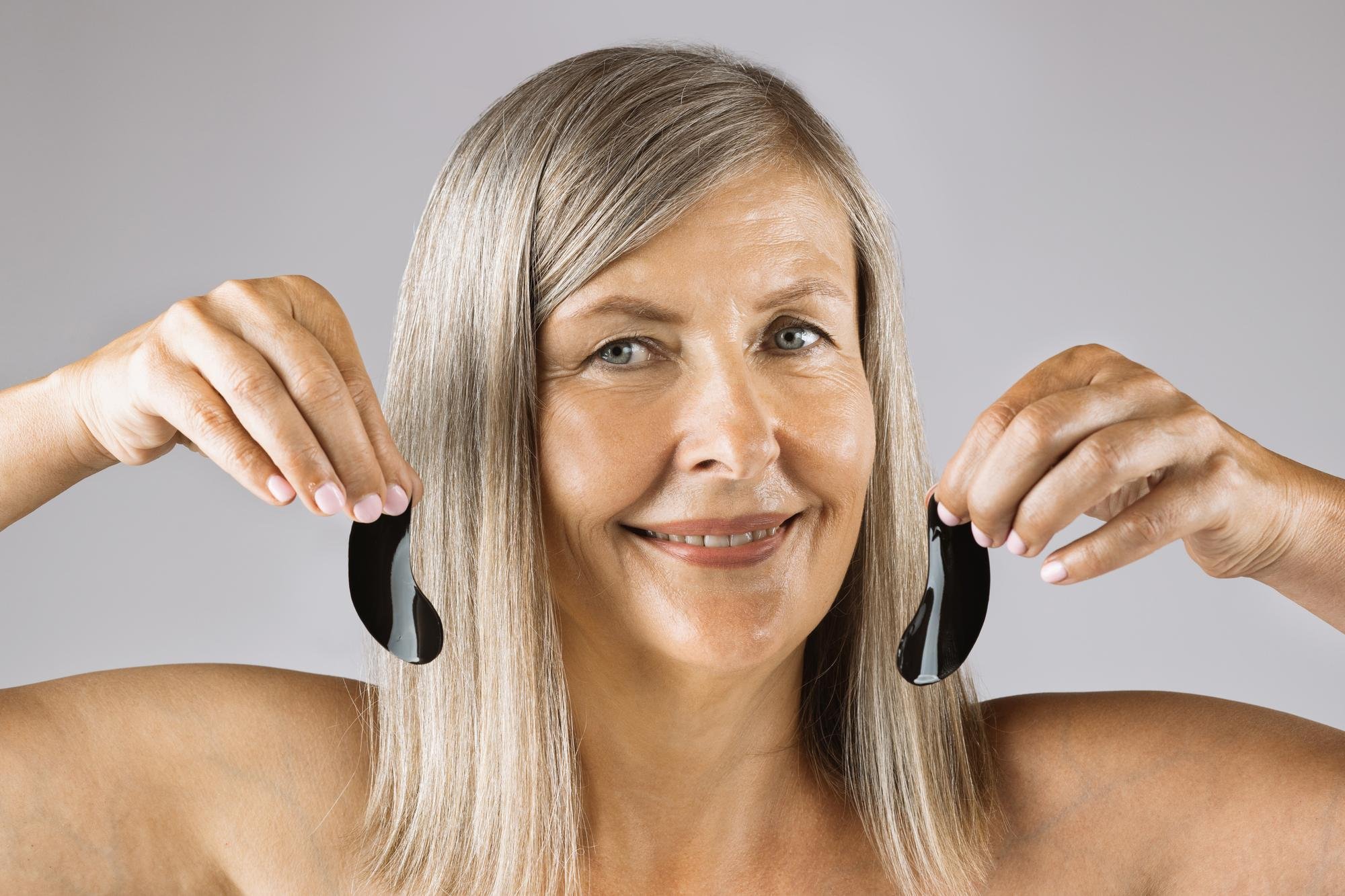
Despite the popular advice to “always go lighter,” darker hair can still be a strong, flattering choice—when done correctly.
Darker shades create depth and visual richness, which can look striking on certain complexions. For clients with deeper skin tones or those who prefer bold, defined looks, darker hair can project confidence and authority rather than age.
The key difference between flattering dark hair and aging dark hair lies in warmth and dimension. Cool, flat dark shades—especially jet black—tend to emphasize lines and create a harsh contrast against aging skin. Warm chocolate browns, caramel-infused brunettes, and layered tones with subtle highlights soften that effect.
It’s also important to consider maintenance. Darker colors show gray regrowth faster and typically require more frequent touch-ups, which can become tiring over time.
How Skin Tone and Undertone Guide Your Decision
Rather than asking do you look younger with darker or lighter hair, the better question is: Does this color match your undertone?
Warm undertones: Golden, caramel, copper, warm browns
Cool undertones: Ash blonde, cool brunettes, silver-infused shades
Neutral undertones: Most flexible, but often benefit from slight warmth as skin matures
How to identify your undertone at home:
Vein test: green = warm, blue = cool
Jewelry test: gold flatters warm, silver flatters cool
Natural light test: observe skin without makeup
Gray hair has no undertone, which is why intentionally adding warmth or coolness is needed.
Managing Gray Hair: The Blending Strategy
A major concern for many clients is whether it’s better to go lighter or darker to cover gray hair. In most cases, lighter shades offer a more sustainable long-term solution.
Traditional solid dark dye paired with white regrowth creates a sharp demarcation line as hair grows out. Lighter shades soften that contrast, making regrowth far less noticeable. Many clients find that once gray reaches about 50 percent, transitioning to a lighter shade significantly reduces maintenance stress.
A blending-focused approach—rather than full opaque coverage—often produces the most youthful result. By softening the base color and adding dimension, gray becomes part of the overall look rather than something to constantly battle.
Hair Health and Texture: The Often-Forgotten Factor
The best hair color for aging hair isn’t determined by shade alone. Hair health and texture play a critical role in how color looks and lasts.
Aging hair tends to be more fragile and less resilient. Going lighter requires more processing, which can increase the risk of damage—especially for fine or delicate hair. Thicker or coarser hair typically tolerates color changes more easily and holds pigment longer.
Curly or textured hair often processes unevenly, making dimensional techniques like balayage more forgiving and visually cohesive. Strengthening treatments before coloring and proper post-color care are essential to maintaining healthy, youthful-looking hair.
Common Color Mistakes to Avoid as You Age
Some of the most aging color mistakes we see include flat, monochromatic color with no dimension, overly dark shades without warmth, and going too light without considering skin tone. Brassiness from fading highlights, harsh regrowth lines, and mismatched undertones can also instantly date a look.
Just as important is skipping conditioning and color-safe products. Healthy hair reflects light better, making any color appear fresher and more youthful.
Color Transition Strategies: From Dark to Light (Or Light to Dark)
When clients want a dramatic shift, slow transitions are usually the most successful. Starting with subtle highlights before fully lighting the base allows time to adjust visually and monitor hair health. Interim shades can act as stepping stones, preventing shock and reducing damage.
Spacing appointments four to six weeks apart gives both stylist and client the opportunity to refine the plan and ensure the hair remains strong. While gradual transitions may cost more initially, they often prevent long-term damage and the need for corrective services.
How This Applies to Our Clients at CM Salon & Spa

At CM Salon & Spa, we approach color decisions holistically. We assess skin tone, undertone, gray percentage, hair texture, and lifestyle before making any recommendations. This ensures clients aren’t committing to a color that looks great on day one but becomes frustrating to maintain.
Our consultations focus on creating realistic transition plans, especially for clients moving from dark to light or adjusting long-held color habits. Our goal is always a color that feels natural, flattering, and manageable—not trendy for the sake of change.
Final Thought
So, should you go darker or lighter with hair color as you age?
The answer isn’t about age—it’s about balance. When hair color harmonizes with your skin tone, undertone, gray pattern, and hair texture, the result looks natural, youthful, and effortless.
If you’re unsure which direction suits you best, a professional color consultation can save time, money, and frustration—while helping you feel confident in your choice.
FAQs
-
There is no universal, age-based hair color that works for everyone at 60, but certain patterns consistently create a more youthful appearance. Warm, medium-toned colors with dimension—such as caramel, honey blonde, soft gold, and warm brunette shades—flatter mature skin best. These tones reflect light onto the face, helping to brighten the complexion and soften the look of fine lines. Flat, single-shade color often looks harsher as skin loses pigment with age, while layered color adds movement and visual softness. Lighter accents or highlights around the face can also create a subtle lifting effect, making features appear fresher and more balanced.
-
For most people, going lighter is easier to maintain as gray hair becomes more prominent. Lighter shades blend more naturally with gray or white strands, reducing the sharp contrast that makes regrowth noticeable. This means roots don’t show up as quickly, allowing for longer intervals between salon visits. Darker shades can provide excellent gray coverage, but they tend to reveal regrowth faster, often requiring touch-ups every few weeks. Many stylists recommend a blending approach—using lighter bases, highlights, or dimensional techniques—rather than solid coverage. This creates a softer transition as gray grows in and often looks more natural and youthful over time.
-
In most cases, people look younger with lighter hair that includes dimension and warmth. Lighter shades reflect more light onto the face, which can brighten the complexion and soften facial features. This effect becomes more important as skin naturally loses vibrancy with age. However, lighter does not mean very pale or icy—over-lightening can wash out the skin and emphasize texture. Darker hair can still look youthful when it is warmed and highlighted to prevent a flat, harsh appearance. Ultimately, the youthful effect comes from balance: the right contrast, warmth, and dimension matter more than whether the color is technically dark or light.
-
The best hair colors for aging hair are those that harmonize with your skin tone and undertone while preserving hair health. Warm, dimensional shades—such as caramel brunette, honey blonde, soft copper, or golden brown—tend to outperform extreme dark or icy light colors. Aging hair is often more fragile, so colors that require minimal processing usually look healthier and more youthful. Dimension is key: highlights, lowlights, or balayage create movement that prevents hair from appearing flat or dull. Regardless of color choice, maintaining hair condition with proper treatments and products is essential, as healthy, shiny hair always appears younger than dry or damaged hair.
