
Healthiest Hair Dye Options for Mature or Sensitive Hair
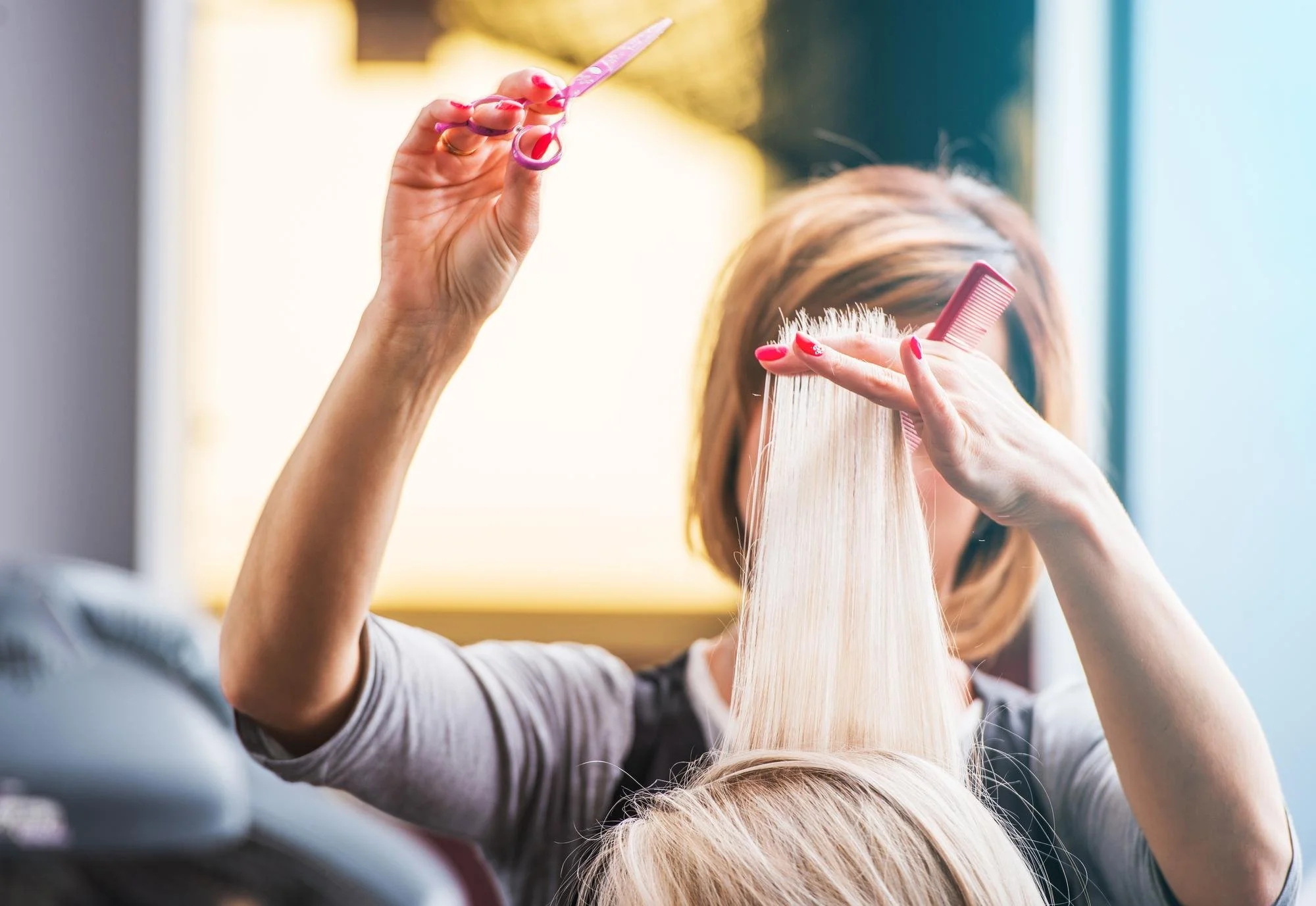
Choosing a hair dye later in life—or with a sensitive scalp—is no longer just about color payoff. For many clients, the priority shifts toward finding the healthiest hair dye that delivers results without irritation, breakage, or long-term damage. Unfortunately, most conventional dyes weren’t designed for mature or reactive hair.
Clients often come to us after experiencing itching, dryness, excessive shedding, or inconsistent gray coverage from boxed dyes labeled as “gentle” or “natural.” The truth is, many formulas still rely on aggressive chemicals that compromise both scalp health and hair integrity over time.
This guide breaks down the least damaging hair dye options available today, explains which ingredients to avoid, and reviews the safest brands for mature or sensitive hair—based on real-world salon performance, not marketing claims.
Why Conventional Hair Dyes Damage Sensitive and Mature Hair
Traditional permanent hair dyes are designed to force color into the hair shaft by aggressively opening the cuticle. This process relies heavily on ammonia and hydrogen peroxide, which permanently alter hair structure. While this may work well on resilient, youthful hair, mature hair reacts very differently.
As hair ages, it becomes more porous and less elastic. The scalp also thins and becomes more reactive due to reduced oil production and slower cellular turnover. When harsh chemicals are applied repeatedly, the result is often irritation, dryness, breakage, and accelerated thinning.
PPD (para-phenylenediamine), a common dye molecule responsible for long-lasting color, is one of the most frequent triggers of allergic reactions in hair color. Sensitization often builds gradually, meaning a product that “worked fine for years” can suddenly cause burning or swelling. Parabens and resorcinol further compound irritation by disrupting the scalp’s natural barrier.
This cumulative exposure explains why many people begin searching for non-toxic hair color options later in life—not because they’ve changed, but because their hair and scalp have.
The healthiest hair dye options matter even more for clients managing scalp conditions such as eczema, psoriasis, or dandruff. A diagnosed condition does not rule out coloring, but it does mean the scalp barrier reacts more easily to common irritants. For these clients, a professional scalp assessment becomes more important, not less, since a stylist can evaluate flare severity before choosing a sensitive skin hair dye. Anyone managing a diagnosed condition should consult a dermatologist when questions go beyond what a consultation can address.
Understanding Hair Dye Types: Which Format Is Safest for Sensitive Skin
Not all hair dyes behave the same way. Understanding the format is essential when choosing a safe hair dye for a sensitive scalp.
Temporary color is the gentlest option because it contains no ammonia or developer and sits on the hair's surface. However, it offers minimal gray coverage and fades quickly.
Semi-permanent color is often the best balance for mature hair. These formulas are typically ammonia-free, use low or no developer, and fade gradually over six to eight weeks. They are especially effective for gray blending rather than harsh coverage.
Demipermanent dyes fall between semi-permanent and permanent formulas. They use low-strength developers and provide longer-lasting results with less damage than traditional permanent color.
Permanent dyes offer the strongest gray coverage but also carry the highest risk of irritation and cumulative damage. For mature hair, they are best reserved for cases where high gray density truly requires them.
For most clients seeking the least damaging hair dye, semi-permanent or demi-permanent formats are the safest long-term choice.
Toxic Ingredients to Avoid: What Truly Makes a Hair Dye “Unhealthy”
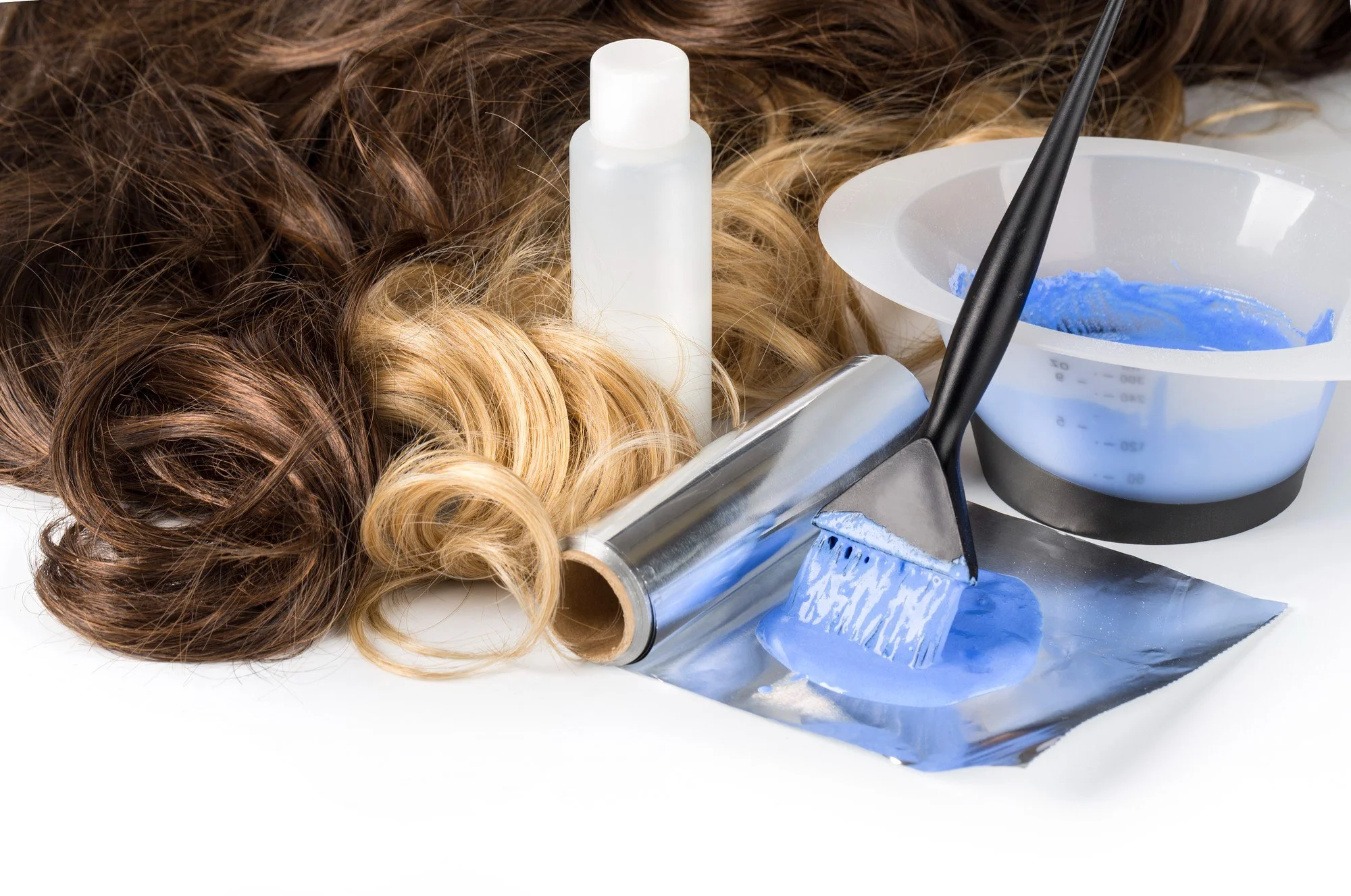
When searching for chemical-free hair color, it’s critical to understand that “natural” labeling is not regulated. Many brands market themselves as clean while still including sensitizing chemicals.
Ingredients to avoid include PPD, ammonia, parabens, resorcinol, phthalates, coal tar dyes, and formaldehyde-releasing preservatives. These compounds are linked to allergic dermatitis, scalp inflammation, hormonal disruption, and long-term damage to hair fibers.
A helpful rule of thumb is to prioritize formulas clearly labeled as free from PPD, ammonia, parabens, and resorcinol—and to verify this on the ingredient list, not just the front of the box. Greenwashing is common in this category.
True ammonia-free hair dye options reduce cuticle swelling and help hair retain moisture, which is especially important for aging hair that struggles to recover from repeated chemical stress.
The Safest Hair Dye Brands for Mature and Sensitive Hair: Expert Reviews
When clients ask us which brands truly deliver both safety and performance, the answer depends on gray percentage, hair type, and sensitivity level. Below are the most reliable options we recommend in-salon and for educated at-home use.
Ammonia-Free & Low-Chemical Brands
Tints of Nature is one of the most balanced formulas available. It offers high gray coverage while remaining ammonia-free and low in PPD. It performs especially well for clients looking for the best hair color for aging brunettes, delivering rich tones without excessive dryness.
Herbatint is dermatologist-tested and alcohol-free, making it a strong option for reactive scalps. Its herbal extracts help soothe irritation, and it consistently covers gray without harsh regrowth lines.
Madison Reed appeals to clients transitioning away from box dye. It’s free of ammonia, resorcinol, parabens, and phthalates, and offers excellent gray blending with a softer grow-out—ideal for those prioritizing scalp comfort.
Plant-Based & Natural Dye Systems
For clients seeking natural hair dye for grey hair, plant-based systems like henna and indigo remain among the safest options available.
Pure henna and cassia condition the hair while depositing pigment, strengthening strands rather than weakening them. These systems work exceptionally well on brown and black hair, but cannot lighten existing color. Gray coverage is strong, though processing time is longer, and the application requires patience.
Khadi and Moroccan Method are examples of brands that prioritize purity and heavy-metal testing, which is essential when choosing truly non-toxic plant dyes.
Protein-Based Repigmentation Alternatives
Hairprint offers a unique approach using protein-based repigmentation rather than oxidative dye. It is made with food-grade ingredients and certified Made Safe, making it one of the safest options for sensitive users.
However, Hairprint is best suited for brown or black hair with less than 50% gray. It does not work on blonde or red hair and requires consistent use to maintain results.
Salon-Grade Ammonia-Free Options
Professional lines such as Aveda, EcoColors, and NATULIQUE offer lower-chemical formulations applied under expert supervision. Salon application minimizes processing time and scalp exposure, making the coloring process safer for sensitive or mature hair.
Professional mixing also allows for dilution and customization, which dramatically reduces irritation for mature clients.
Preparing Your Scalp for Coloring: A Critical Step Competitors Ignore
Even the safest formula can cause issues if applied to an unhealthy scalp. Patch testing 24–48 hours before coloring is essential—even with “clean” dyes. Scalp detoxification with a gentle clarifying wash a day or two prior removes buildup without stripping protective oils.
Never shampoo immediately before coloring; natural oils act as a barrier. If you have dandruff, psoriasis, or open irritation, coloring should wait until the scalp is calm.
This preparation step alone can determine whether a safe hair dye for a sensitive scalp truly performs as intended.
How to Choose the Right Healthy Hair Dye for Your Hair Type and Grey Coverage Needs
Choosing the right formula depends on gray percentage, hair texture, and lifestyle. Fine or fragile hair benefits most from semi-permanent color, while coarse hair tolerates demi-permanent options better. High gray percentages often transition more gracefully with lighter, blended coverage rather than solid dark dye.
For clients wondering do you look younger with darker or lighter hair, healthier hair almost always looks more youthful—regardless of shade. Damage ages hair faster than color choice ever will.
Why Professional Application Matters for Sensitive Hair
Professional colorists assess porosity, scalp health, and sensitivity before applying color. Barrier creams, controlled processing times, and precise sectioning all reduce irritation and damage.
Over time, professional application often costs less than repeated at-home corrections and repair treatments. For mature hair, expert handling isn’t a luxury—it’s prevention.
How This Applies to Our Clients at CM Salon & Spa
At CM Salon & Spa, we see firsthand how dramatically hair and scalp needs change with age or increased sensitivity. Many of our clients come to us after years of using conventional boxed dyes or well-intentioned “natural” products that still caused irritation, dryness, or breakage. Our approach starts with understanding why a client is reacting—not just switching brands.
Before any color service, our professionals assess scalp condition, hair porosity, gray density, and previous color history. This allows us to choose the healthiest hair dye option for each individual, whether that means an ammonia-free professional formula, a low-chemical demi-permanent color, or a plant-based alternative for highly sensitive scalps. We also adjust application techniques—such as processing time, placement, and dilution—to minimize stress on mature hair.
Just as importantly, we guide clients through realistic expectations. Not every hair type needs permanent dye, and not every gray head requires full coverage. By focusing on long-term scalp health and hair integrity, we help clients achieve color that looks better, lasts longer, and feels comfortable between appointments.
Conclusion:
Finding the least damaging hair dye for mature or sensitive hair isn’t about chasing trends or relying on marketing buzzwords. It’s about understanding how hair chemistry, scalp health, and aging interact—and choosing formulas and techniques that work with your hair, not against it.
Whether you’re exploring non-toxic hair color, ammonia-free formulas, or natural hair dye for grey hair, the safest results come from informed choices and proper application. Ingredient awareness, patch testing, appropriate dye formats, and professional guidance all play a role in protecting hair and scalp health over time.
Healthy hair always looks more youthful than damaged hair, regardless of shade. When color is chosen thoughtfully and applied correctly, it enhances shine, softness, and confidence—without irritation or regret. If you’re navigating sensitivity, gray coverage, or long-term hair changes, prioritizing health first will always give you the best results.
FAQs
-
Yes—when it is pure, properly sourced, and correctly applied, henna is widely considered one of the safest options for sensitive scalps. Pure henna is made from the powdered leaves of the Lawsonia inermis plant and contains no synthetic chemicals, ammonia, or PPD, making it a true chemical-free hair color. It can actually help soothe the scalp and improve hair strength by coating the hair shaft rather than penetrating it. However, not all henna products are safe. Some commercial blends contain metallic salts or synthetic dyes, which can cause severe reactions. Pure henna is best suited for dark hair and provides excellent gray coverage, but it cannot lighten hair and requires longer processing time.
-
If you have a sensitive scalp or mature hair, avoiding certain chemicals is essential for long-term comfort and hair health. PPD (para-phenylenediamine) is one of the most common triggers of allergic reactions and can cause itching, swelling, and dermatitis. Ammonia aggressively opens the hair cuticle, leading to dryness, irritation, and breakage over time. Parabens and phthalates are associated with hormone disruption and skin sensitivity, while resorcinol is a known irritant that can worsen scalp inflammation. Formaldehyde-releasing preservatives and coal tar dyes pose additional health concerns with repeated exposure. Always read full ingredient lists and choose brands that clearly disclose formulations and carry third-party safety certifications.
-
For sensitive scalps, spacing out color applications is one of the most important factors in preventing irritation and cumulative damage. Most people benefit from waiting six to eight weeks between full-color applications, giving the scalp time to recover and rebalance. Semi-permanent and low-chemical dyes can often be used more often, as they fade gradually and do not require harsh developers. Root-only touchups are also a safer alternative, as they limit chemical exposure to new growth rather than repeatedly processing the entire hair shaft. If irritation occurs, it is essential to extend the time between applications. A professional colorist can help assess scalp condition and recommend a safe coloring schedule tailored to your needs.
-
Several hair dye brands consistently stand out for balancing safety with effective gray coverage. Tints of Nature is known for its ammonia-free, low-PPD formula and reliable full gray coverage, making it a top choice for mature hair. Herbatint is dermatologically tested, alcohol-free, and enriched with herbal extracts that help soothe sensitive scalps. Madison Reed offers professional-grade results without ammonia, resorcinol, parabens, or phthalates, and is especially popular for soft, natural-looking gray blending. For those seeking plant-based options, Khadi uses pure herbal pigments that provide strong coverage on darker hair. These brands outperform many mainstream dyes in comfort, longevity, and scalp tolerance.
-
Patch-testing the healthiest hair dye formula starts with applying a small amount of the exact dye-developer mixture to your inner elbow or back of your ear. Leave it undisturbed for 48 hours and watch for redness, itching, swelling, or burning before applying color to your scalp. Repeat this every time, even with a familiar formula, since sensitization can build gradually. Choosing the healthiest hair dye for a sensitive scalp starts with this step, and a professional consultation confirms the right formula before color is applied.
-
The healthiest hair dye outcome for a sensitive scalp begins with professional application, starting with an in-person scalp assessment before any product touches the hair. A stylist controls processing time precisely and mixes developer at ratios calibrated to individual reactivity, something a boxed kit cannot replicate. This matters most for reactive or mature scalps, where small differences in strength or timing affect comfort and results. For clients researching the healthiest hair dye approach, professional application removes much of the guesswork that comes with at-home color.
