
How Long Does Balayage Last? Expert Maintenance Tips From Chicago Colorists

Expect a gloss refresh every 6 to 8 weeks and a full balayage touch-up every 10 to 14 weeks. The underlying lightened color holds for six months or longer. Unlike foil highlights, balayage grows out without a harsh root line, meaning fewer salon visits and a softer transition between appointments. Here is the balayage maintenance framework that keeps it looking fresh.
How Long Does Balayage Actually Last
How long does balayage last depends on which layer of color you mean. The lightened sections are permanent and hold for six months or more before growing out, which changes the placement. The toner or gloss layer is temporary and begins to fade around six to eight weeks, when warmth or brassiness starts to show through. A full-service refresh, where your colorist re-lightens and re-tones, is recommended every 10 to 14 weeks.
Why Balayage Fades More Gracefully Than Traditional Color
Balayage is hand-painted from the mid-shaft rather than applied at the root, so there's no harsh demarcation line as your hair grows. Traditional foil highlights create a visible regrowth band within four to six weeks that looks overdue rather than intentional. With balayage, the fade pattern reads as a soft, lived-in blend that most people mistake for natural dimension. The result is three to four salon visits per year instead of eight to twelve, making it the lower-commitment option by a wide margin.
What Makes Your Balayage Last Longer (or Fade Faster)
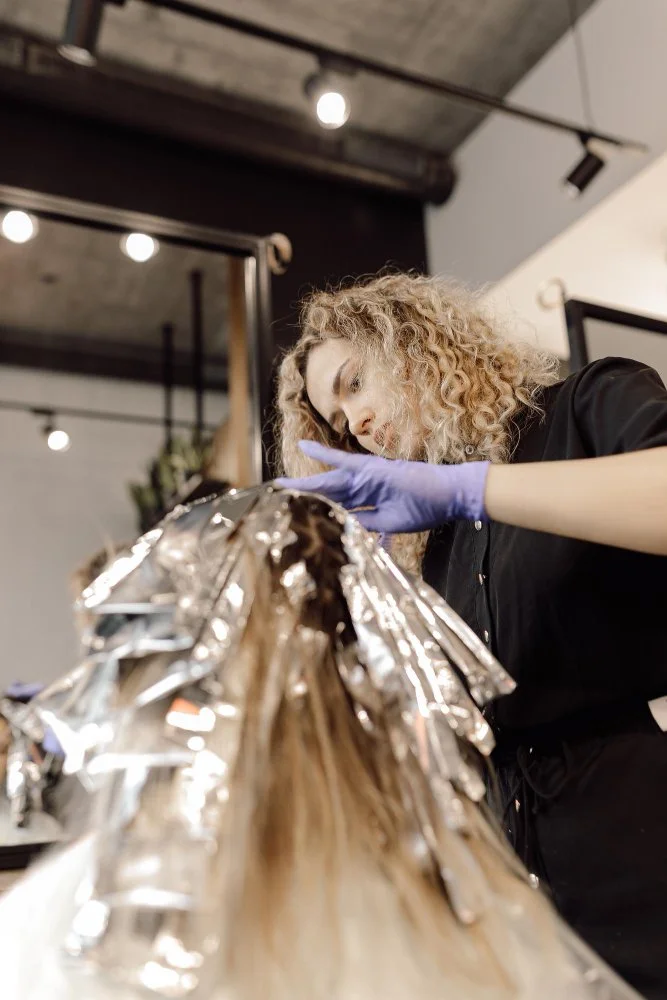
Five variables determine whether your color holds closer to the 14-week mark or fades by week eight. Hair porosity matters most: coarse, low-porosity strands lock in pigment, while fine, high-porosity hair releases it faster. Color contrast plays a role too—subtle, low-contrast balayage is simpler to maintain than a dramatic platinum lift. Sun exposure accelerates brassiness, chlorine and hard water strip toner, and daily heat styling breaks down the gloss layer. Managing even two of these noticeably extends your color.
Signs Your Balayage Needs a Refresh
Brass or yellow undertones creeping in at the mid-shaft mean your toner has faded, and a gloss refresh will restore tone without a full appointment. Loss of contrast between painted sections and your natural base signals that a full touch-up is due. Visible regrowth beyond two to three inches means placement needs attention. If your hair reads flat in natural light or feels dry despite good products, a bond-building treatment addresses both color and condition simultaneously.
Gloss Refresh vs Full Touch Up — Two Different Services, Two Different Schedules
A gloss refresh costs $40 to $80, takes 30 to 45 minutes, and restores tone every six to eight weeks without lightening. A full balayage touch-up runs $150 to $300+, takes two to three hours, and re-lightens plus re-tones every 10 to 14 weeks. The gloss stretches the full touch-up cycle by resetting brass and adding shine at a fraction of the cost. Most clients benefit from booking both on a layered schedule.
7 Expert Tips to Make Your Balayage Last Longer
Chicago colorists recommend seven habits to extend your color.
1) Switch to a sulfate-free shampoo to prevent toner stripping.
2) Rinse with cool water to seal the cuticle.
3) Use a purple or blue toning shampoo weekly for blonde tones.
4) Apply a UV-protecting product before sun exposure.
5) Deep condition weekly with a bond-building mask.
6) Minimize heat or always use a heat protectant.
7) Book a professional gloss every six to eight weeks to reset tone between full appointments.
Best Product Categories for Maintaining Balayage at Home
Chicago colorists advise shopping by category rather than chasing specific brands. A sulfate-free, color-safe shampoo prevents toner from washing out prematurely. A purple- or blue-toning shampoo used once or twice weekly neutralizes brass without over-depositing. A weekly bond-repair mask addresses structural damage from lightning. A UV-protective leave-in spray is essential from May through September. A heat protectant rated above 300°F protects the gloss layer from thermal breakdown. CM Salon stylists recommend specific products in-chair based on your hair type and water condition.
When to Book Your Next Balayage Appointment in Chicago
How often to get balayage depends on whether you're a new or returning client. First-time clients should book a gloss refresh six to eight weeks after their initial appointment. Existing clients should schedule both before leaving. If toner brightness is your priority, book the gloss earlier, at five to six weeks. If you prefer a lived-in look with slow growth, stretch the full refresh to 14 weeks.
What to Avoid in the First 48 Hours After Your Appointment
Balayage aftercare is most critical in the first two days while the color oxidizes and the cuticle closes. Avoid washing for a full 48 hours so pigment can settle completely. Skip heat styling, as the open cuticle makes color more prone to shifting. Switch to a silk or satin pillowcase since cotton wicks moisture and accelerates fading. Avoid direct sun, chlorine, and salt water during this window. Skip clarifying shampoo for at least two weeks—it strips toner before it fully bonds.
The Honest Maintenance Answer on Chicago Balayage
How long does balayage last comes down to two numbers: six to eight weeks between gloss refreshes and 10 to 14 weeks between full touch-ups. That's less maintenance than traditional foil highlights, making balayage one of the most practical lightening options for clients who want dimension without a standing monthly appointment. The right maintenance plan is one your colorist builds around your hair, your water, and your life—not a calendar rule from a blog. A consultation is where that plan starts.
How CM Salon Colorists Build Your Maintenance Plan
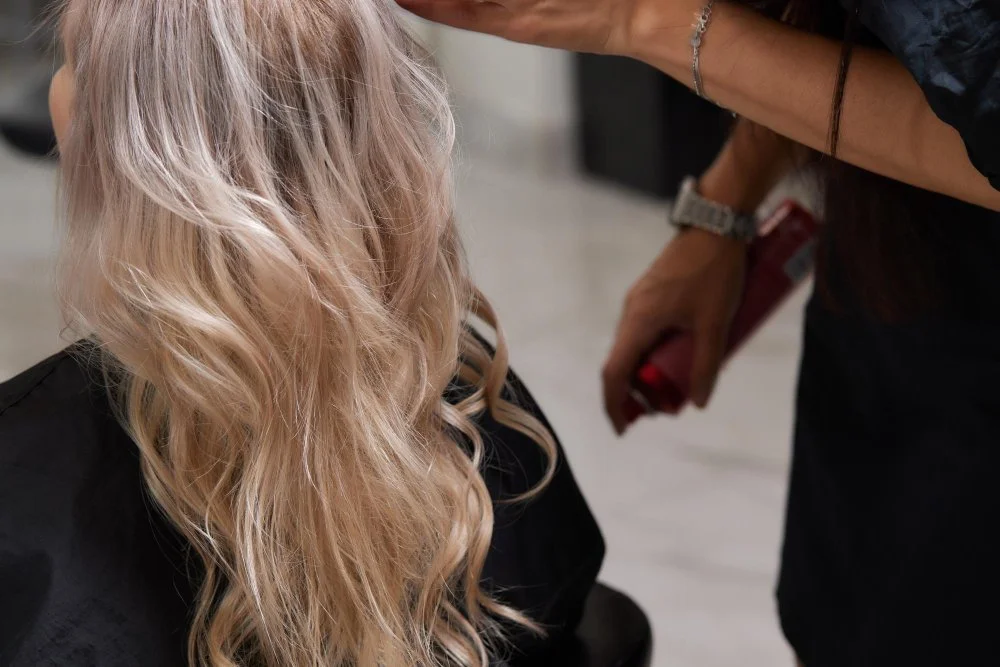
Every balayage appointment at CM Salon & Spa in Lakeview closes with a personalized maintenance plan. Our colorists factor in your water type—Chicago's hard water matters—along with hair texture, work environment, and travel schedule. We book your six-to-eight-week gloss refresh before you leave, so the mid-cycle appointment is never an afterthought. We stock the professional products we recommend or identify exact drugstore equivalents for your hair. The goal is a color that looks salon-fresh in month three, not just month one. Book your complimentary consultation here.
Conclusion:
Balayage lasts longer than most lightening options when maintained on the right schedule—gloss refreshes every six to eight weeks and full touch-ups every 10 to 14 weeks. The key is a maintenance plan built around your hair, not a generic timeline. Our colorists design a plan during your first appointment and adjust it as your hair evolves. Book your balayage consultation or schedule your next touch-up today.
-
Most clients book a full balayage every 10 to 14 weeks and add a gloss refresh every six to eight weeks in between. How often you should get balayage depends on two factors: your hair growth rate and the contrast level of your color. Faster-growing hair and high-contrast platinum looks move closer to the 10-week end. Slower growth and subtle, lived-in tones can stretch to 14 weeks or longer. Colorists recommend never going less than 8 weeks between full services, because the integrity of your hair takes priority over the color timeline.
-
No. Balayage maintenance is among the lowest of any professional lightening service. Quantified against traditional foil highlights, you are looking at three to four salon visits per year instead of eight to twelve. The daily routine adjustments are minor: switching to a sulfate-free shampoo, using a purple toning shampoo once a week, and applying a bond-building mask occasionally. Most of the time, investment is front-loaded during the initial appointment. The ongoing commitment is genuinely lighter than most clients expect when they walk in for the first time.
-
Many colorists intentionally place balayage to look its best at the eight to twelve week mark rather than fresh out of the salon. The lived-in aesthetic is a design choice built into the placement, not a happy accident of fading. The week one salon fresh look and the week six softened blend are both valid stages, and which one you prefer is a conversation to have during your consultation. First-time clients often expect the bright, freshly toned look to last indefinitely, and understanding the grow-out design prevents unnecessary concern when the color begins to settle at week four.
-
Generally yes. Balayage uses less lightener overall because the placement is hand painted selectively rather than applied in uniform rows across the entire head. Open air processing without foils is gentler on the cuticle than heat accelerated foil processing. And fewer appointments per year means less cumulative chemical exposure over time. The caveat is that a poorly executed balayage can damage hair more than a well done foil service, because the skill and judgment of the colorist matters more than the technique name on the menu. Choose the colorist, not the label.
-
A gloss refresh, which is the mid cycle toner and shine appointment, typically runs $40 to $80 in Chicago. A full balayage touch up at the 10 to 14 week interval costs $150 to $250 for a partial application and $200 to $350 or more for a full head, depending on length and density. Touch ups cost less than the original appointment because less hair is painted: the existing balayage provides the canvas your colorist builds on. Bond building treatments and toner are often included, but it is worth confirming what is bundled when you book.
-
Yes. Washing two to three times per week instead of daily is one of the single highest leverage longevity habits you can adopt. Each wash strips a thin layer of toner deposit, so less washing means slower fade and longer intervals between gloss appointments. Between wash days, dry shampoo at the roots, a gentle co wash, or simply rinsing with water keeps hair feeling fresh without impacting color. The caveat for fine hair or oily scalps is that skipping too many washes causes buildup, so adjusting to three to four times per week instead of two is a practical middle ground.
