
Going from Brown to Blonde? Here's What Your Chicago Colorist Wants You to Know
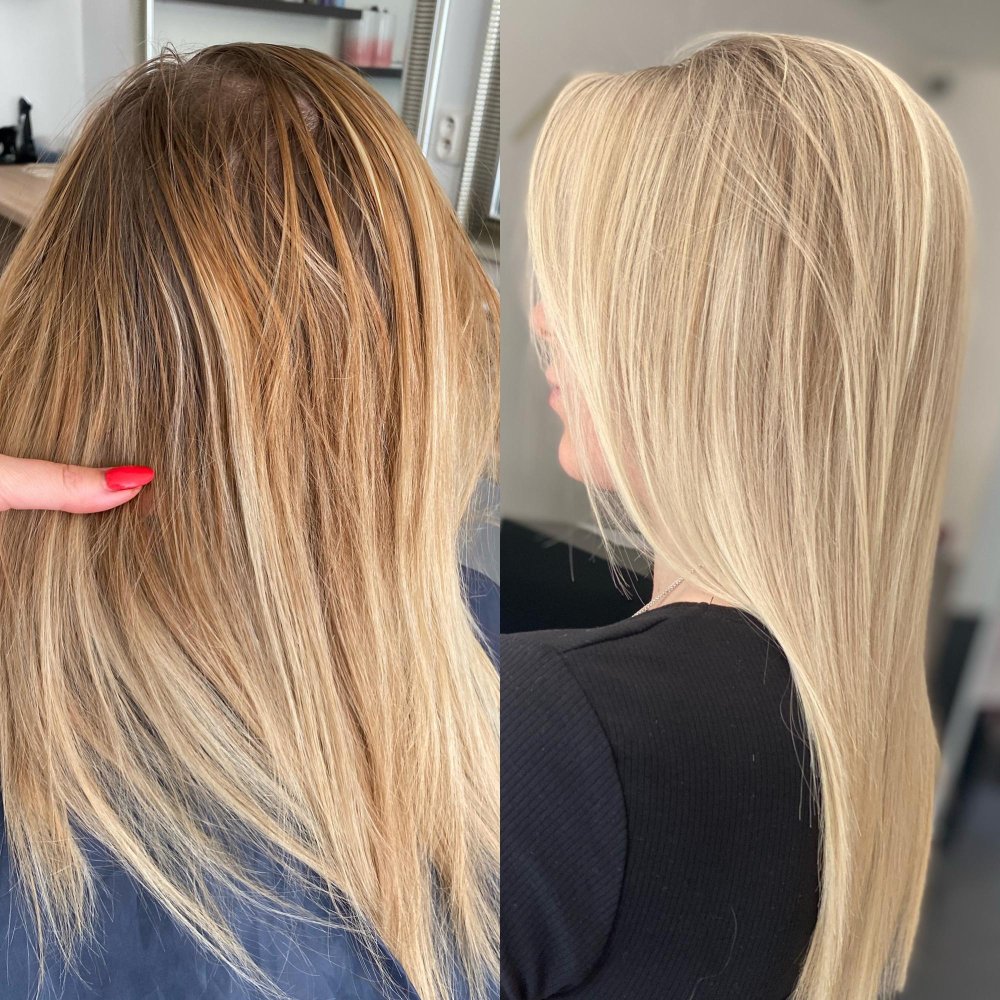
Going from brown to blonde takes one session from light brown or two to three sessions over six to eight weeks from dark brown or black. It is the biggest color commitment most clients make, and the difference between a transformation you love and one you regret comes down to realistic expectations before you sit in the chair.
Is Going Blonde Right for You? What to Realistically Expect
Before you commit to brown to blonde hair, assess three things honestly. Time: each lightening session runs four to six hours, and most brunettes need at least two. Money: the full transformation runs into four figures. Hair condition: if your strands have been box-dyed, hennaed, or chemically treated, the plan changes significantly. The question of whether you should go blonde is less about skin tone and more about whether your hair history, lifestyle, and patience support the process.
How Many Sessions Does It Take to Go Blonde from Brown?
A responsible colorist lifts no more than two levels per session to protect hair integrity. Light brown reaches blonde in one to two sessions. Medium brown needs two sessions over four to six weeks. Dark brown requires two to three sessions over six to eight weeks. Going from jet black to platinum needs three to four sessions over eight to twelve weeks. A strand test before session one confirms how to go blonde safely for your hair.
The Hair Color Level Scale — Where You Are and Where You're Going
Every professional colorist uses the same one-to-ten scale: level one is black, level ten is the palest platinum. Most brunettes fall between level three and six, while most blonde targets sit between level eight and ten. The distance between your starting and target level predicts how many sessions you need and the total cost. Bring an inspirational photo, and your colorist will confirm your starting level at the consultation.
Will Going Blonde Damage Your Hair? The Honest Answer
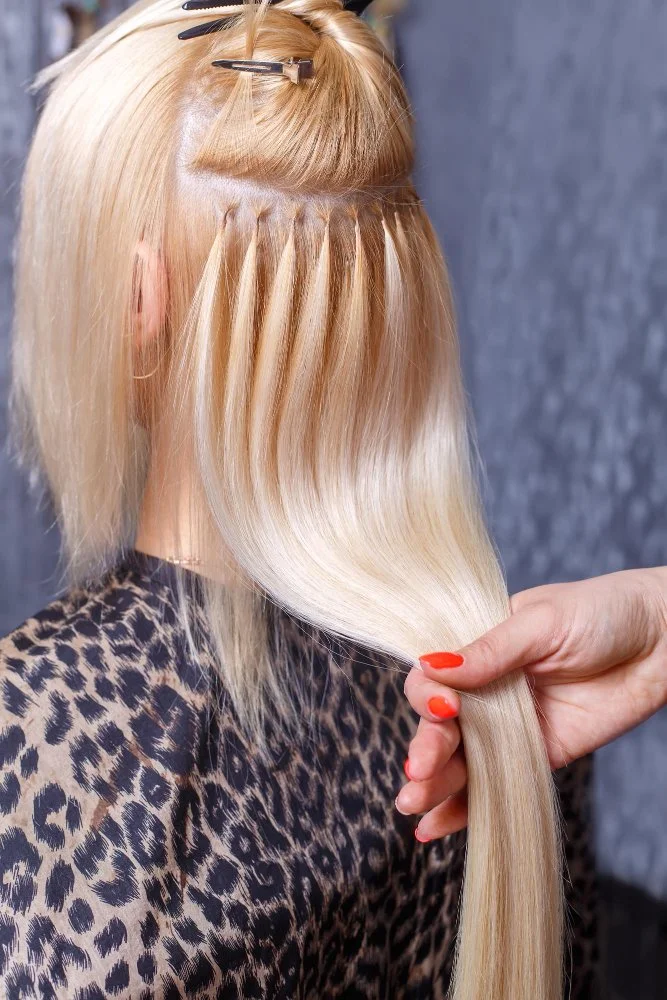
Yes, lightening does alter the hair cuticle—any colorist who says otherwise is not being straight with you. The real question is how much damage and whether modern chemistry can manage it. Bond builders like Olaplex and K18 rebuild disulfide bonds broken during lifting, dramatically reducing breakage. Going from brown to blonde with a professional who lifts in controlled stages and adds bond protection to every formula produces a completely different outcome than a single aggressive session.
What Actually Happens to Your Hair When You Lift It
Lightening breaks down melanin inside the hair shaft. Dark pigment breaks down first, which is why brown to blonde hair passes through red, orange, and then yellow. That brassy stage is not damaged—it is an unfinished lift. The warm pigment, pheomelanin, makes yellow and gold undertones stubborn in darker hair. Toner converts that raw base into your finished blonde shade, which is exactly why one session often cannot complete the job.
Choosing Your Blonde: Skin Tone, Undertones, and Shade Match
Going blonde works for every skin tone as long as the shade matches your undertones. Cool undertones—blue veins, silver jewelry preference—point toward ash blonde, platinum, or beige blonde. Warm undertones—green veins, gold jewelry—suit honey blonde, caramel, or golden tones. Neutral undertones give the widest range. A quick self-check: hold a sheet of white paper up to your face in natural light. A yellow cast signals warm, a pink cast signals cool. Your colorist will confirm this during your consultation before formulating.
How to Prep for Your First Blonde Appointment
Knowing how to go blonde starts before your appointment. Walk in prepared, and the process goes smoother. Don't wash your hair the morning of — your scalp's natural oils protect during lightening. Skip heat styling for three to seven days before. Deep condition weekly in the two weeks leading up. Bring three to five inspiration photos, plus one matching your exact starting color. Disclose your full hair history honestly: box dye, henna, keratin, relaxer — anything chemical in the last five years. Eat beforehand, because a four to six-hour session is longer than most people anticipate.
Going Blonde in Chicago — Local Factors That Affect Your Process
Chicago's environment creates challenges that no national guide addresses. Hard water carries high mineral content, causing brass and dulling blonde tone faster than coastal averages. Winter indoor heating accelerates moisture loss, making ends feel brittle by midwinter. Lake Michigan summer UV fades and shifts tone faster than most clients expect—a leave-in UV protectant is not optional. Chlorine from summer pool sessions compounds the fade. Going blonde in Chicago means adjusting your maintenance calendar accordingly.
How to Maintain Your Blonde Hair After the Transformation
Use a purple or blue shampoo one to two times per week to neutralize brass—not daily, as it can over-deposit and shift tone gray. Switch to a sulfate-free, color-safe shampoo for regular washes. Apply a bond-repair mask weekly for the first eight weeks. Book a professional gloss every six to eight weeks to refresh tone before brass becomes visible. Use UV protectant daily during Chicago summers and heat protectant year-round. Brown-to-blonde hair stays best with intentional maintenance.
The Real Cost of Going Blonde from Brown — Session by Session
The first full lightening session runs $250 to $450, depending on starting level and hair length. A follow-up session costs $200 to $350. Bond builder adds $30 to $50 per session. Toner or gloss refresh every six to eight weeks runs $40 to $80. The total first-year cost for a dark-brown-to-blonde transformation, including all maintenance, typically ranges from $800 to $1,400. Pricing is confirmed after an in-person consultation.
The Brown to Blonde Process at CM Salon and Spa, Chicago
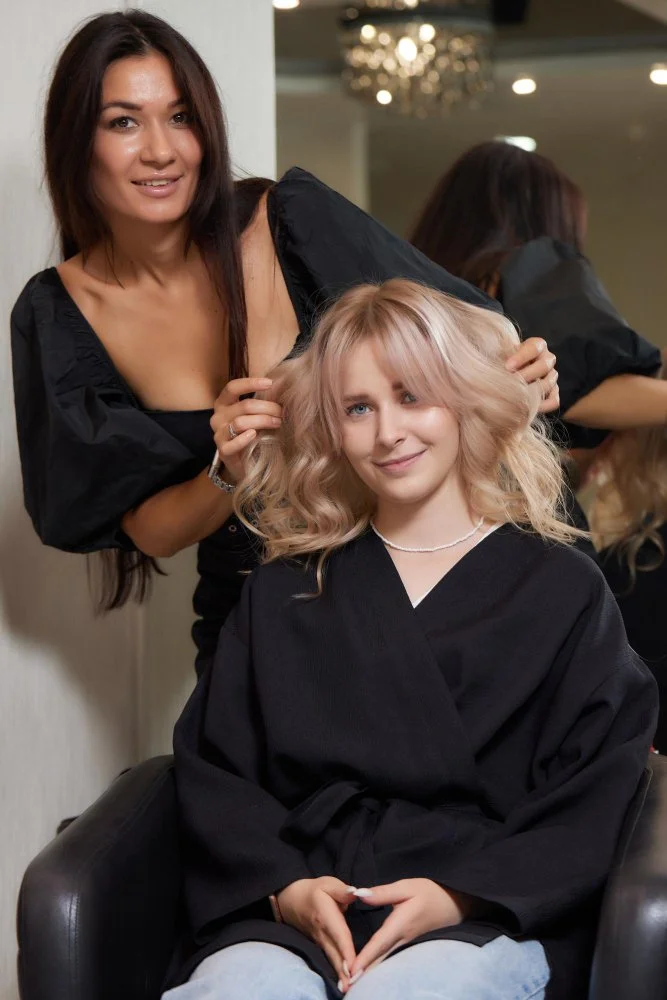
Every brown-to-blonde transformation at CM Salon & Spa in Lakeview starts with a complimentary consultation that includes a strand test and a hair health assessment. The first session uses bond builder in the formula, followed by a custom toner matched to your undertones. If your starting hair is level four or darker, a follow-up session at four to six weeks can safely continue the lift. After the final session, your colorist builds a personalized maintenance plan. Pricing is confirmed only after the consultation. Book your complimentary consultation here.
Conclusion
Going from brown to blonde takes one session for light brown and two to three sessions over six to eight weeks for dark brown. It is not a one-and-done appointment—anyone promising otherwise is skipping steps your hair will pay for later. The right blonde matches your undertones, hair condition, and lifestyle, not the shade you saved on Instagram. The only way to get a realistic plan is to consult a colorist who strand-tests before committing.
-
One session for light brown starting hair, two to three sessions spaced over six to eight weeks for dark brown, and three to four sessions for jet black. Going from brown to blonde in a single mega session to platinum causes breakage that responsible colorists will refuse to do. The lift has to happen in stages, so bond integrity is maintained between appointments. One exception: balayage or face frame highlights can create a partial blonde effect in one session, which readers sometimes mistake for a full transformation. How to go blonde safely always starts with a strand test and realistic session planning.
-
Generally no. Lifting natural brown pigment requires a lightener, and bleach is the most common and controllable professional option. A high lift tint, which is technically not bleach, can lift two to three levels on virgin light brown hair only. Color remover works only on previously applied artificial color, not on natural pigment, so it will not take a natural brunette to blonde. Most no-bleach brunette-to-blonde tutorials online hide the fact that the hair was already light, pre-treated, or filtered beyond recognition. A responsible colorist will assess your hair and tell you exactly what it requires.
-
Lightening alters the hair cuticle. That is chemistry, not opinion. The degree of damage, however, is dramatically reduced when bond builders like Olaplex or K18 are added to every lightening formula. Professional application causes significantly less damage than box bleach because the formula strength, timing, and placement are customized to your specific hair. The typical outcome with proper care is slightly drier ends for two to three months after the transformation, returning to baseline as new growth comes in and the lifted hair acclimates. The skill of the colorist matters far more than the technique name on the menu.
-
The first full lightening session in Chicago ranges from $250 to $450, depending on starting level and hair length. A second session, if needed, runs $200-$350. Add a bond builder at $30 to $50 and a toner at $40 to $80 per session. Maintenance gloss appointments every six to eight weeks cost $40 to $80 each. The total first-year investment for a dark brown-to-blonde transformation, including all maintenance appointments, typically ranges from $800 to $1,400. Pricing is always confirmed after an in-person consultation, because the starting level and hair condition change the plan entirely.
-
Do not wash your hair the morning of your appointment, because your scalp's natural oils provide a protective barrier during lightening. Skip heat styling for three to seven days before to let the cuticle rest. Deep condition weekly in the two weeks prior to building moisture reserves. Bring three to five inspiration photos and one photo that matches your exact starting color so your colorist can calibrate expectations. Disclose your full hair history honestly, including box dye, henna, keratin, or relaxer, anything chemical in the last five years. Eat beforehand, because a four to six-hour session is longer than most people anticipate.
-
Use a purple or blue shampoo one to two times per week, not daily, to keep brass in check. Switch to a sulfate-free color-safe shampoo for your regular washes. Apply a bond repair mask weekly for the first eight weeks after the transformation to rebuild what the lightening process opened up. Book a professional gloss or toner every six to eight weeks to refresh tone before brass becomes visible. Use UV protectant daily during Chicago summers and heat protectant year-round. Schedule your next gloss before leaving your current appointment so the maintenance rhythm stays consistent and the color never falls behind.
