
How to Prepare for Waxing and Care for Your Skin After — Complete Guide
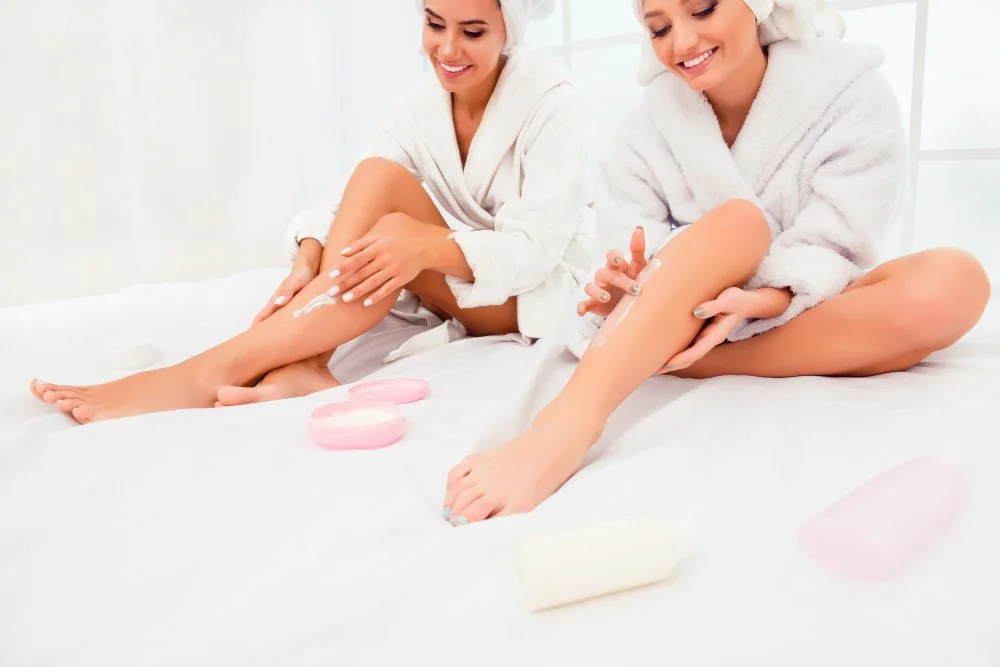
Waxing results depend on more than the appointment itself. Proper preparation beforehand and consistent post-wax care afterward play a major role in how smooth your skin looks, how comfortable the process feels, and how long the results last.
Many common waxing issues—such as irritation, bumps, patchy results, or ingrown hairs—happen when pre-wax care is skipped or waxing aftercare isn’t followed correctly. Because waxing removes hair directly from the root and lifts a thin layer of dead skin cells, the skin needs the right conditions before the service and gentle care during the recovery window afterward.
Following the correct waxing aftercare routine supports the skin barrier, reduces inflammation, and allows hair follicles to recover properly. Over time, consistent preparation and aftercare can also help extend the hair growth cycle so each waxing session lasts longer.
This guide explains what to do before waxing, how to properly prepare for waxing, and the most effective waxing aftercare practices to keep your skin smooth and healthy.
What to Do Before Waxing — Your Pre-Wax Care Timeline
Understanding what to do before waxing makes a noticeable difference in comfort and results. Proper preparation allows the wax to adhere correctly to hair while protecting the skin from unnecessary irritation.
Instead of a simple checklist, it’s helpful to follow a preparation timeline leading up to your appointment.
2 Weeks Before — Let Your Hair Grow to the Right Length
The most important part of pre-wax care is allowing hair to grow to the correct length. For waxing to work effectively, hair should reach about ¼ inch long, roughly the size of a grain of rice.
To prepare:
Stop shaving, plucking, or using hair removal creams.
Avoid trimming hair too short.
If hair grows longer than about ¾ inch, a light trim is acceptable.
Certain skincare ingredients should also be avoided before waxing. Retinoids, tretinoin, and strong AHA or BHA exfoliants thin the skin and increase the risk of irritation or skin lifting during waxing. Discontinue these products in the area being waxed for several days before your appointment.
48–24 Hours Before — Prepare Your Skin
Preparing the skin surface helps remove dead skin cells and allows wax to grip hair more effectively.
During this stage, how to prepare for waxing:
Gently exfoliate the area with a washcloth or mild scrub.
Avoid harsh chemical exfoliants.
Moisturize regularly in the days leading up to your appointment.
Avoid tanning beds or extended sun exposure.
Well-hydrated skin tends to respond better to waxing because it is more flexible and less prone to irritation.
The Day of Your Appointment
On the day of your appointment, arrive with clean, dry skin.
Steps to follow:
Shower before your appointment.
Avoid applying lotions, oils, deodorant, or powders to the waxing area.
Wear loose clothing to reduce friction afterward.
Wax adheres best to clean skin, so it's important to avoid using skincare products on the treatment area.
If you are sensitive to discomfort, some clients take an over-the-counter pain reliever such as ibuprofen about 30 minutes before the appointment. Avoid caffeine and alcohol beforehand because both can increase skin sensitivity.
Pre-Wax Care by Body Zone — What Changes Depending on Where You're Getting Waxed
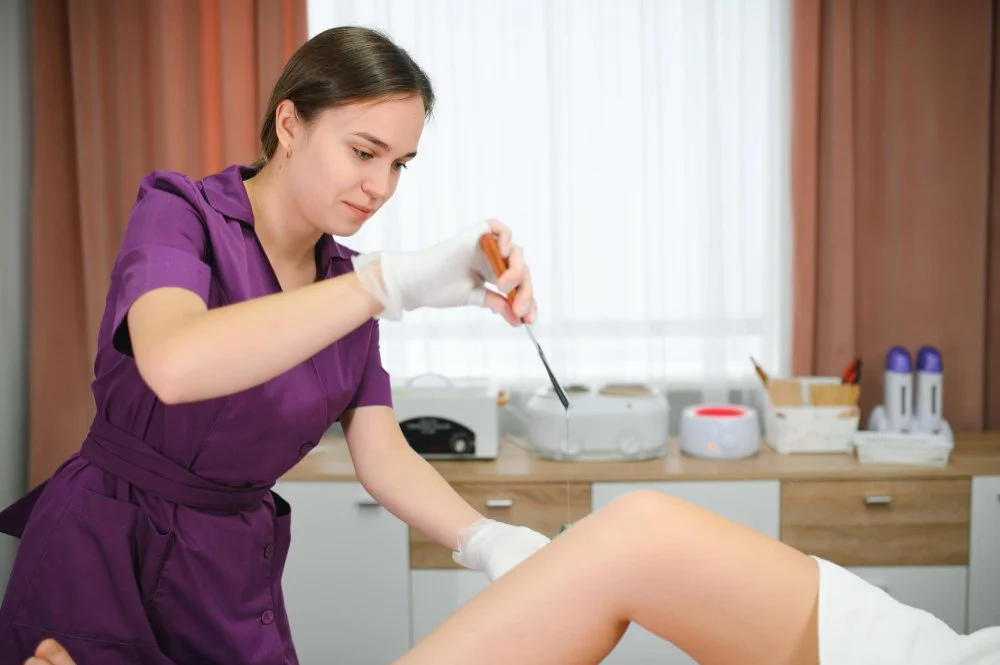
Waxing preparation can vary slightly depending on the body area being treated.
Facial Waxing
Facial skin is thinner and more reactive than skin on other areas of the body. Avoid retinoids, exfoliating acids, or acne treatments for at least one week before facial waxing. Waxing should not be performed over active breakouts or irritated skin.
Bikini and Brazilian Waxing
The bikini and Brazilian areas are among the most sensitive zones. Arrive freshly showered and avoid all lotions or oils in the area. Most professionals use hard wax here because it grips the hair instead of the skin.
Leg and Arm Waxing
For legs and arms, exfoliation becomes particularly important. Coarser hair and larger surface areas mean trapped hairs and buildup can interfere with wax adherence.
Underarm Waxing
Underarm skin is sensitive and tends to hold moisture. Shower beforehand and avoid deodorant or antiperspirant on the day of your appointment.
For full body waxing services, hydration becomes even more important in the week leading up to the appointment.
What Happens to Your Skin During Waxing — And Why Aftercare Matters
Understanding how waxing affects the skin helps explain why waxing aftercare is so important.
When hair is removed from the root, the follicle becomes temporarily open. At the same time, a thin layer of dead skin cells is lifted from the surface. This combination can create a short sensitivity window.
During this period:
Hair follicles remain open.
The skin barrier is slightly disrupted.
Mild redness and inflammation can occur.
This is a normal biological response and typically fades within several hours.
Because follicles remain vulnerable during this time, exposure to heat, friction, bacteria, or harsh skincare ingredients can cause irritation or bumps. Following the correct waxing aftercare routine protects the skin during this recovery period.
Waxing Aftercare — What to Do After Your Session to Soothe Skin and Extend Results
Following proper waxing aftercare is essential for preventing irritation and keeping skin smooth. Good post-wax care helps calm the skin and reduces the risk of ingrown hairs.
First 24 Hours — The Critical Recovery Window
The first day after waxing is the most sensitive stage.
During this period:
Avoid hot showers, baths, saunas, and steam rooms.
Skip workouts or heavy sweating.
Avoid tight clothing or friction against the skin.
Do not touch freshly waxed areas with unwashed hands.
If redness or swelling occurs, applying a cold compress or aloe vera gel can help soothe the skin. These are among the most effective ways to soothe skin after waxing.
Spray tanning should also be avoided for at least 48 hours, as the chemicals can irritate open follicles.
Days 2–7 — Preventing Ingrown Hairs
Once the skin begins to calm, gentle exfoliation becomes an important part of waxing aftercare.
Starting about 48 hours after the appointment:
Exfoliate the area two to three times per week.
Use a fragrance-free moisturizer daily.
Avoid tight clothing that traps heat.
Helpful skincare ingredients for post-wax care include:
Aloe vera for cooling relief
Calendula for calming the skin barrier
Centella asiatica for skin recovery
Ceramide moisturizers for barrier repair
Ingredients to avoid during the first several days include alcohol-based toners, fragrance, retinoids, and exfoliating acids.
What to Expect in the Second Week
Some hair growth appearing around the second week is normal. Hair grows in cycles, and not every follicle is in the same stage during a wax.
Continue moisturizing and exfoliating regularly, but avoid waxing again until hair reaches the recommended length of about ¼ inch.
The 5 S's of Waxing — What to Avoid After Every Session
Estheticians often teach clients the “5 S’s of waxing,” a simple guideline for post-wax care.
The five S’s are:
Sun
Swimming
Sweating
Sex
Saunas
All five should generally be avoided for about 48 hours after waxing.
Sun exposure can cause freshly waxed skin to burn more easily and increase the risk of hyperpigmentation. Swimming pools contain chlorine and bacteria that may enter open follicles.
Sweating during workouts creates friction and bacteria buildup, which can lead to irritation or bumps. Sexual activity can cause friction in sensitive areas such as the bikini zone.
Saunas and steam rooms expose the skin to excessive heat, which can increase inflammation.
After the 48-hour window, most normal activities can gradually resume.
Post-Wax Skincare for Sensitive and Reactive Skin
Clients with sensitive or reactive skin may need to adjust their waxing aftercare routine.
Hard wax is usually the best option for sensitive skin because it grips hair rather than pulling on the skin surface.
Fragrance-free skincare products are recommended after waxing because fragrance and essential oils are common triggers for irritation.
For acne-prone skin, lightweight and non-comedogenic moisturizers are ideal. Avoid heavy oils that may clog follicles.
Individuals with rosacea should be especially cautious with heat exposure after waxing. Cool water, gentle cleansers, and calming gels are typically the safest options.
For deeper skin tones, sun protection becomes especially important because post-inflammatory hyperpigmentation can occur if freshly waxed skin is exposed to strong sunlight.
What Our Clients Experience Before and After Their Sessions
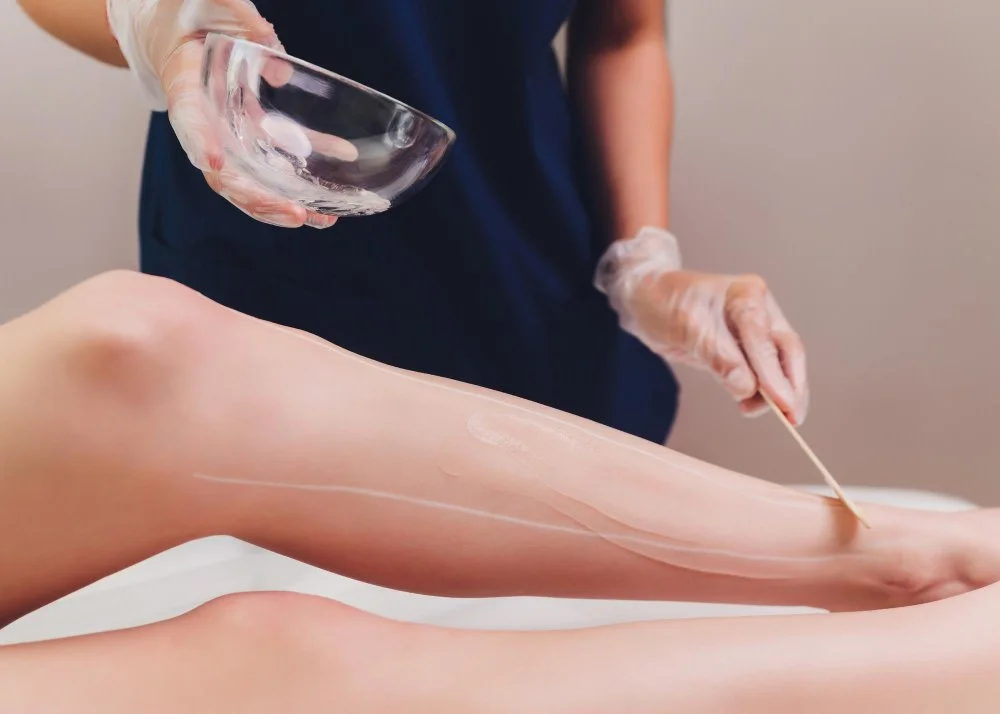
Clients visiting CM Salon & Spa typically begin their waxing appointment with a brief consultation. During this step, the esthetician reviews skin sensitivities, medications, and recent skincare treatments. Our consultation helps determine the best wax type and preparation method for each client. Before the waxing begins, the skin is cleansed and prepared with either a pre-wax oil or powder.
This helps protect the skin barrier while improving wax adherence. Many first-time clients feel unsure about what to expect, so estheticians guide them through each stage of the process. After the waxing session, soothing products are applied to calm the skin. Our clients also receive personalized waxing aftercare instructions to help them care for their skin during the recovery window and maintain smooth results between sessions.
Conclusion
Preparing properly before a waxing appointment and following the right aftercare routine afterward can make a significant difference in both comfort and results. When the skin is clean, hydrated, and free of irritating products, wax adheres more effectively to the hair, allowing for smoother, more consistent removal. After the appointment, gentle care helps calm the skin, protect open follicles, and reduce the chances of redness, bumps, or ingrown hairs.
Understanding what your skin experiences during waxing also helps explain why the recovery period matters. Giving the skin time to settle, avoiding heat and friction, and maintaining a consistent exfoliation and moisturizing routine can help keep the skin healthy between sessions.
Over time, combining proper preparation with consistent waxing aftercare can lead to longer-lasting results, smoother regrowth, and a more comfortable waxing experience overall. By following these simple but important steps, waxing can become a reliable and effective part of a long-term skincare and grooming routine.
-
After waxing, your skin is more sensitive because hair follicles are temporarily open and the outer layer of skin has been lightly exfoliated. To avoid irritation, redness, or ingrown hairs, it’s important to avoid heat, friction, and bacterial exposure during the first 24–48 hours. Skip hot showers, saunas, steam rooms, and tanning because heat can increase inflammation and sensitivity. Tight clothing or synthetic fabrics should also be avoided, as they can create friction against freshly waxed skin. Workouts and heavy sweating can introduce bacteria into open follicles, increasing the risk of bumps or breakouts. In addition, avoid fragranced lotions, alcohol-based products, or exfoliating acids until the skin has fully calmed.
-
The best waxing aftercare focuses on soothing the skin, preventing irritation, and reducing the risk of ingrown hairs. Immediately after waxing, calming ingredients such as aloe vera or a fragrance-free moisturizer can help reduce redness and inflammation. During the first 48 hours, avoid heat, friction, tight clothing, and activities that cause heavy sweating. Once the skin has settled, gentle exfoliation can begin to keep pores clear and prevent trapped hairs. Exfoliating two to three times per week and moisturizing daily helps maintain healthy skin and allows hair to grow back through the surface more easily. Following these steps consistently helps extend the results of waxing and keeps skin smoother between appointments.
-
The 24-hour and 48-hour waxing guidelines refer to important recovery periods after a waxing appointment. During the first 24 hours, freshly waxed skin is especially sensitive, so it’s recommended to avoid activities that introduce heat, friction, or bacteria. This includes hot showers, tight clothing, workouts, and direct sun exposure. The 48-hour rule extends these precautions slightly beyond 48 hours for certain activities, such as swimming, saunas, tanning, sexual activity, and exfoliation. Hair follicles remain open for a short period after waxing, and giving the skin time to recover reduces the chances of irritation, bumps, and ingrown hairs.
-
The 5 S’s of waxing are a simple guideline used by estheticians to help clients remember what to avoid after a waxing appointment. The five S’s stand for sun, swimming, sweating, sex, and saunas. These activities are typically avoided for about 48 hours after waxing because the skin is more sensitive and hair follicles remain temporarily open. Sun exposure can cause irritation or hyperpigmentation, while swimming pools and hot tubs may introduce bacteria into the skin. Sweating from exercise can cause friction and clogged follicles, and saunas generate excessive heat that can increase inflammation. Following the 5 S’s helps protect the skin during the initial recovery period.
-
Keeping skin smooth between waxing sessions requires a consistent skincare routine that supports healthy hair growth and prevents ingrown hairs. Gentle exfoliation two to three times per week helps remove dead skin cells that can trap hair beneath the surface. Daily moisturizing is also important because hydrated skin allows hair to grow back more easily without causing bumps or irritation. Avoid shaving between waxing appointments, as it disrupts the natural hair growth cycle and can lead to thicker regrowth. Scheduling waxing sessions every four to six weeks helps synchronize hair growth patterns over time, allowing each wax to remove more hair and maintain smoother skin for longer.
