
What To Know Before Getting a Brazilian Wax (Complete Beginner's Guide)
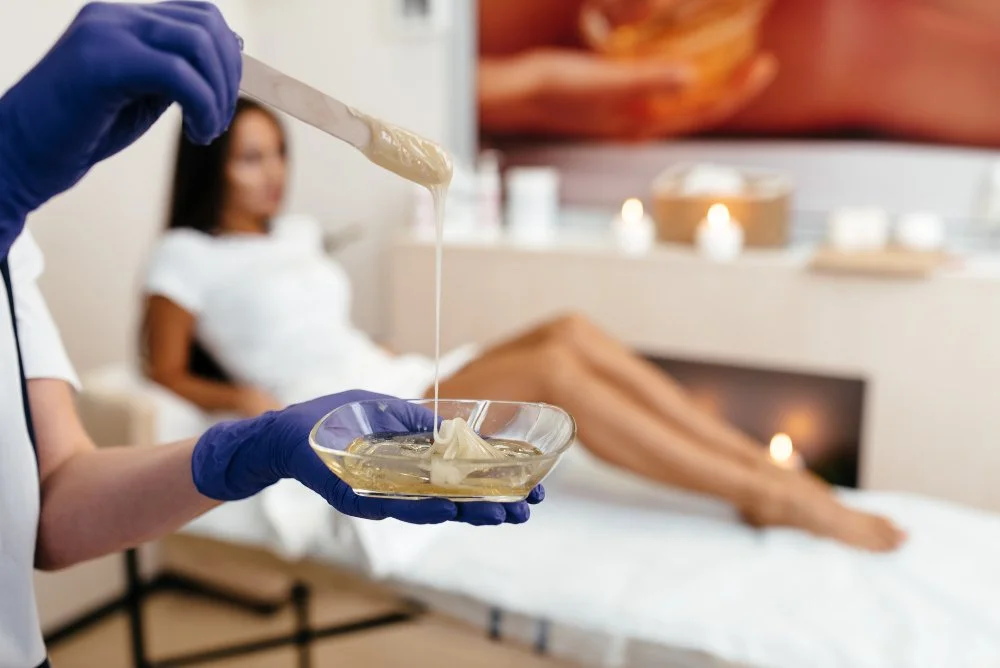
If you’re researching what to know before getting a Brazilian wax for the first time, you’re not alone. Many first-time clients have questions about what the service includes, how to prepare, whether it hurts, and how to care for their skin afterward.
At CM Salon & Spa, we work with many first-time waxing clients who simply want to know exactly what to expect before their appointment. The good news is that once you understand the process, preparation, and aftercare, a Brazilian wax becomes a straightforward and manageable beauty routine.
This guide walks through everything beginners need to know — from what a Brazilian wax includes to how to prepare for it, what to expect in terms of pain, and proper aftercare.
What Does a Brazilian Wax Actually Include?
One of the most common questions clients ask is what a Brazilian wax includes. A Brazilian wax is a form of pubic hair removal that removes most or all hair from the bikini area, including the front, sides, and the perianal area (between the cheeks).
During a Brazilian wax, a licensed esthetician removes hair from:
The front of the pubic area
Along the bikini line
The labia
Between the cheeks (perianal area)
Clients can choose the final style they prefer. Some people prefer full removal, while others choose to leave a small shape, such as:
A landing strip
A triangle
A customized design
Your esthetician will confirm your preference before starting the service.
Hard Wax vs. Soft Wax
Most professional salons use hard wax for Brazilian waxing because it is gentler on sensitive skin. Hard wax adheres primarily to the hair rather than to the skin, reducing irritation and discomfort compared to traditional strip wax.
Step-by-Step Brazilian Wax Process
Understanding the process can help reduce anxiety for first-time clients. A typical appointment includes:
Cleansing the skin to remove oils and bacteria
Applying a light pre-wax oil or powder to protect the skin
Applying warm wax to small sections of hair
Removing the wax and hair quickly from the root
Tweezing any remaining stray hairs
Applying a soothing post-wax serum or lotion
A Brazilian wax typically takes 15 to 30 minutes, depending on hair density and growth stage.
Brazilian Wax vs. Bikini Wax — What’s the Difference?
Many beginners confuse these services.
Bikini line wax
Removes hair that would be visible outside a swimsuit.
Full bikini wax
Removes more hair across the top and sides of the bikini area.
Brazilian wax
Removes hair from front to back, including between the cheeks.
Hollywood wax
Often used interchangeably with Brazilian waxing, though it typically means complete hair removal with no strip left behind.
Understanding the difference helps clients choose the right waxing service for their comfort level and grooming goals.
First Time Brazilian Wax Tips — How to Prepare Before Your Session
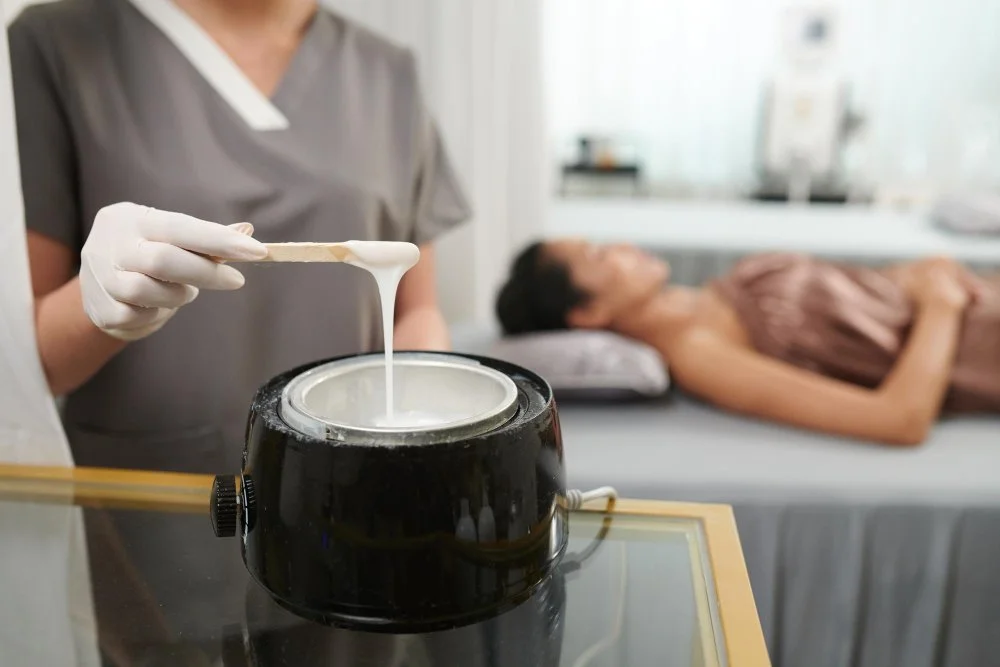
One of the most searched questions online is how to prepare for a Brazilian wax. Preparation makes a major difference in both comfort and results.
Instead of a simple checklist, it’s helpful to think about preparation as a timeline leading up to your appointment.
1–2 Weeks Before Your Appointment
The most important step is allowing hair to grow to the correct length.
Hair should reach about ¼ inch (the length of a grain of rice) so the wax can grip the hair effectively.
Preparation tips:
Stop shaving immediately if you plan to wax
Avoid depilatory creams in the bikini area
If hair is longer than ½ inch, trimming lightly is acceptable
Avoid using retinoids, AHAs, or strong exfoliating acids in the wax zone
These ingredients can increase skin sensitivity, which may make waxing uncomfortable.
48 Hours Before Your Appointment
This stage focuses on preparing the skin.
Gently exfoliate the area with a washcloth or mild scrub
Avoid harsh exfoliants or chemical peels
Skip heavy oils and lotions
Drink plenty of water to keep skin hydrated
Exfoliation helps prevent ingrown hairs, which are one of the most common waxing concerns.
The Day of Your Appointment
The final preparation step is simple but important.
Before your appointment:
Shower and clean the area thoroughly
Do not apply lotions, oils, deodorant, or powders
Wear loose, breathable clothing
Take ibuprofen 30 minutes before if you’re sensitive to pain
Avoid caffeine and alcohol, which can increase skin sensitivity
Many first-time clients feel nervous, but most say the anticipation is worse than the appointment itself.
These first-time Brazilian wax tips help ensure smoother results and a more comfortable experience.
What To Expect During Your Brazilian Wax — The Appointment Step by Step
Knowing what happens during the appointment can help remove uncertainty.
When you arrive, your esthetician will usually begin with a short consultation. This allows you to discuss:
Preferred hair style (bare, strip, triangle)
Skin sensitivity
Previous waxing history
Any medications that may affect your skin
You’ll then be asked to undress from the waist down and lie comfortably on a waxing table.
Preparation
The esthetician will cleanse the skin and apply either pre-wax oil or powder to protect the skin.
Waxing Process
Wax is applied in small sections.
Most Brazilian waxes follow a sequence:
Front pubic area
Inner thighs
Labia
Between the cheeks
Interestingly, many clients report that the area between the cheeks is easier than expected.
Finishing Steps
Once most hair has been removed:
Tweezers are used for remaining hairs
A post-wax soothing serum or calming lotion is applied
Aftercare instructions are provided
Professional salons follow strict hygiene standards, including:
Disposable gloves
Single-use wax sticks
No double-dipping in wax pots
This ensures a clean and safe waxing environment.
Is a Brazilian Wax Painful? An Honest Answer
A common concern is “Is a Brazilian wax painful?”
The honest answer is yes — there is some discomfort, especially during the first wax. However, pain levels vary widely depending on several factors.
Factors That Affect Pain
Pain tolerance depends on:
Hair thickness
Skin sensitivity
Time in the hair growth cycle
Hormonal changes
Whether you wax regularly
First Wax vs. Repeat Waxes
The first wax is typically the most uncomfortable because hair has stronger roots.
With consistent waxing:
Hair grows back finer
Roots weaken
Waxing becomes easier and less painful
Many clients report that after 3–4 waxes, the process becomes much more manageable.
Where It Hurts Most
The front pubic area tends to be the most sensitive.
Surprisingly, many clients say the perianal area hurts less than expected.
Tips to Reduce Pain
You can minimize discomfort by:
Taking ibuprofen before the appointment
Avoiding caffeine or alcohol
Relaxing your muscles
Breathing slowly during the wax
Mild redness or sensitivity afterward is completely normal and usually fades within a few hours.
Brazilian Wax Aftercare — How To Take Care of Your Skin After Your Session
Proper Brazilian wax aftercare is essential for preventing irritation and ingrown hairs.
Instead of a short list of tips, it helps to follow an aftercare timeline.
First 24 Hours After Your Wax
Immediately after waxing, hair follicles remain open and sensitive.
During the first day:
Avoid hot showers, baths, or saunas
Skip the gym and heavy sweating
Avoid swimming pools or hot tubs
Do not touch the area with unwashed hands
Wear loose cotton underwear
Avoid sexual activity for 48 hours
Skip spray tanning
Heat, bacteria, and friction can irritate freshly waxed skin.
Days 2–7 — Maintaining Smooth Skin
Once the skin begins to calm, you can begin basic maintenance.
Start gentle exfoliation after 48 hours
Exfoliate 2–3 times per week
Use a fragrance-free moisturizer
Avoid tight clothing or synthetic fabrics
Do not pick or squeeze bumps
If small bumps appear, a soothing serum or ingrown hair treatment may help.
Between Waxes — Staying on Schedule
To maintain smooth results:
Do not shave between waxes
Book your next appointment 4–6 weeks later
Regular waxing weakens hair follicles over time, so hair grows back finer and more slowly.
Medications, Skin Conditions, and When To Reschedule Your Wax
Certain medications and skin conditions can make waxing unsafe.
Always inform your esthetician if you use:
Retinoids (Retin-A or tretinoin)
Accutane
Blood-thinning medications
Retinoids thin the skin and can cause skin lifting during waxing. These products should be stopped at least 5–7 days before waxing.
Skin Conditions That Require Rescheduling
Waxing should be avoided if you have:
Sunburn
Open cuts
Active eczema flare-ups
Psoriasis patches
Skin infections
Waxing During Pregnancy
Brazilian waxing is generally safe during pregnancy, but hormonal changes increase skin sensitivity, so waxing may feel slightly more uncomfortable.
Waxing During Your Period
It is safe to get waxed during your menstrual cycle if you wear a tampon or menstrual cup, though sensitivity may be higher.
How Often Should You Get a Brazilian Wax — And What To Expect Over Time
Hair grows in cycles, which explains why some hair may appear sooner than others after your first wax.
Hair Growth Cycle
Hair grows through stages, including the anagen phase, when hair is actively growing.
During your first wax, not all hairs are at the same stage, so some regrowth may appear within 2–3 weeks.
What Happens After Multiple Waxes
With consistent waxing:
Hair cycles begin to sync
Hair grows back thinner
Regrowth slows
Results last 4–6 weeks
After 3–4 waxes, many clients notice significantly smoother results.
Ideal Waxing Schedule
Most estheticians recommend waxing every 4–6 weeks, once hair has reached the ideal ¼-inch length again.
Consistency also reduces discomfort because the follicles adapt to regular waxing.
What Getting a Brazilian Wax Looks Like at Our Salon

At CM Salon & Spa, we regularly work with first-time Brazilian wax clients, and the experience is designed to be comfortable and professional. Your appointment begins with a consultation where the esthetician discusses several important details with you, including your skin sensitivities, any skincare products you are currently using, and your preferred hair removal style. This conversation helps ensure the waxing service is tailored specifically to your skin and comfort level.
Our waxing rooms follow strict sanitation procedures to maintain a clean and safe environment for every client. Estheticians wear fresh gloves for each appointment, use single-use wax applicators, and ensure that treatment tables are thoroughly sanitized between clients. Professional salons also follow a strict no–double-dipping policy when working with wax, which helps maintain hygiene and prevent contamination.
Many clients feel nervous before their first appointment, but licensed estheticians are experienced in working with first-time waxing clients and guide them through the process step by step. The goal is to create a calm and supportive environment so clients feel comfortable throughout the service. If you have questions before booking your first Brazilian wax, our team is always happy to help.
Conclusion
Getting a Brazilian wax for the first time can feel intimidating, but understanding the process makes the experience far less stressful. When you know what a Brazilian wax includes, how to prepare properly, and how to care for your skin afterward, the appointment becomes a simple and manageable part of your grooming routine.
Preparation, communication with your esthetician, and proper aftercare all play an important role in achieving the best results. While the first appointment may involve some discomfort, many clients find that regular waxing leads to finer regrowth and a smoother overall experience over time.
If you're considering your first Brazilian wax, the most helpful step is choosing a professional salon that prioritizes hygiene, experience, and client comfort. With the right preparation and expectations, Brazilian waxing can become a straightforward self-care routine that leaves your skin feeling smooth and well-maintained.
-
Preparing for your first Brazilian wax starts about one to two weeks before your appointment. Allow your hair to grow to about ¼ inch long (roughly the size of a grain of rice) so the wax can grip the hair effectively. About 48 hours before the appointment, gently exfoliate the area using a mild scrub or washcloth to remove dead skin cells and help prevent ingrown hairs. On the day of your wax, shower and arrive at the waxing area with clean skin free of lotions, oils, or deodorant. Some clients choose to take ibuprofen about 30 minutes before their appointment to reduce discomfort. Wearing loose clothing afterward also helps minimize irritation.
-
There are several things to avoid before getting a Brazilian wax to ensure the best results and minimize irritation. Do not shave the area before your appointment because the hair needs to be long enough—about ¼ inch—for the wax to grip properly. Avoid applying lotions, oils, or creams on the day of your appointment, as these products can prevent the wax from adhering to the hair. It is also recommended to avoid caffeine and alcohol beforehand since both can increase skin sensitivity. Additionally, stop using strong exfoliating skincare products, such as retinoids, AHAs, or BHAs, in the bikini area several days before your appointment.
-
A first-time Brazilian wax can be uncomfortable because the hair is being removed from the root, and the follicles are stronger when waxing is new to the skin. The level of discomfort varies depending on individual pain tolerance, hair thickness, and skin sensitivity. For many people, the most noticeable discomfort occurs when waxing the front pubic area. However, professional salons typically use hard wax for sensitive areas, which adheres mainly to the hair rather than the skin, helping reduce irritation. Many clients report that after a few regular waxing appointments, hair grows back finer and sparser, making future sessions quicker and significantly less uncomfortable.
-
The 48-hour rule for waxing refers to the important recovery period immediately after a waxing session. Because hair is removed from the root, the follicles remain temporarily open, and the skin can be more sensitive than usual. During the first 48 hours, it is recommended to avoid activities that expose the skin to heat, friction, or bacteria. This includes saunas, hot tubs, intense workouts, swimming pools, sexual activity, and wearing tight clothing. These activities can irritate the freshly waxed skin or introduce bacteria into open follicles. Following the 48-hour rule allows the skin barrier to recover properly and helps reduce the risk of redness, bumps, or irritation.
-
A Brazilian wax is a hair removal service that focuses specifically on the bikini area. It removes hair from the front of the pubic region, along the bikini line, the labia, and between the cheeks. Clients may choose full hair removal or leave a small strip or triangle, depending on personal preference. A full-body wax, on the other hand, includes multiple waxing services performed in a single appointment. These often include the legs, arms, underarms, back, and bikini area. Because a full-body wax covers several areas, the appointment typically takes longer than a single Brazilian wax session and can be customized to the client’s preferences.
