
The Best Hair Color for Gray Hair and Aging Hair:
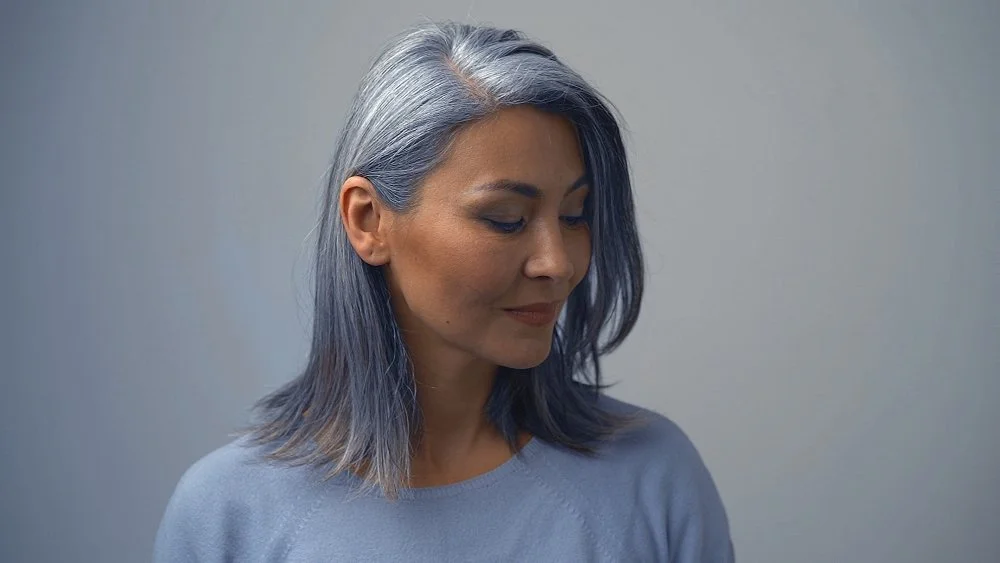
Aging with style is not synonymous with neglecting hair that is full of life and beauty. Many women start to notice gray hair in their 40s or 50s, especially when searching for hair color for women over 50 that still feels modern and flattering. Professional hair coloring removes the gray or blends it with the rest of the hair but retains its health, glow, and liveliness.
The best hair color for gray hair selection can considerably enhance your looks. The right color not only accentuates your facial features but also adds radiance to your skin and showcases your individuality. Most importantly, professional salon color safeguards the hair's integrity—something of particular concern as hair naturally gets thicker and more fragile with age.
Choosing the right hair color for gray hair can significantly enhance your appearance. The right color not only accentuates your facial features but also adds radiance to your skin and showcases your individuality—especially when selecting the best professional hair color to cover gray. Most importantly, professional salon color safeguards the hair's integrity, making it ideal for coloring gray hair, as hair naturally becomes more fragile with age.
This all-inclusive guide explains why professional coloring is the best option for aging hair, how the best professional hair color to cover gray differs from box dye, and how women choose flattering shades that suit both Hair color for women over 50 and Hair color for women over 60. An extensive FAQ is also included to help guide anyone considering coloring gray hair.
Why Gray and Aging Hair Need Special Color Care
With time, hair changes its structure. Gray hair tends to be drier, less manageable, and more prone to frizz, which is why the best hair color for gray hair is never one-size-fits-all. Also, because of lower melanin levels, the hair may look less shiny. These alterations suggest that using over-the-counter dye at home will not yield the healthy, blended, vibrant look clients expect. Instead, gray hair relies heavily on a professional colorist's expertise and skill.
1. Superior Gray Coverage
Gray hair can sometimes seem harsh or coarse, making it harder to color, similar to wool. Coloring done by professionals is still the best choice for covering up gray, as it looks natural and lasts longer. A professional will not only assess your hair but also determine its resistance and then customize the formulas so that every single hair absorbs the pigment.
2. Personalized Color Formulas
No two people with gray hair are alike. After a professional salon examines your skin tone, eye color, hair texture, and natural undertones, you will find a personalized shade that suits you. This tailored approach is essential for hair color for women over 50, ensuring results that never look too harsh or washed out.
3. Improved Hair Health
Hair being dyed in a salon needs both color and protection, just as aging hair does. Salon products infused with state-of-the-art conditioning agents, bond builders, and protective ingredients will keep your hair smooth, well-hydrated, and strong throughout the coloring process for gray hair.
4. Minimal Damage
Colorists will adjust developer strength, processing time, and their approach to ensure your hair structure is respected and preserved. This is of utmost importance when selecting the best professional hair color to cover gray, particularly for thinning or fragile hair.
Understanding the Best Hair Color Options for Gray Hair
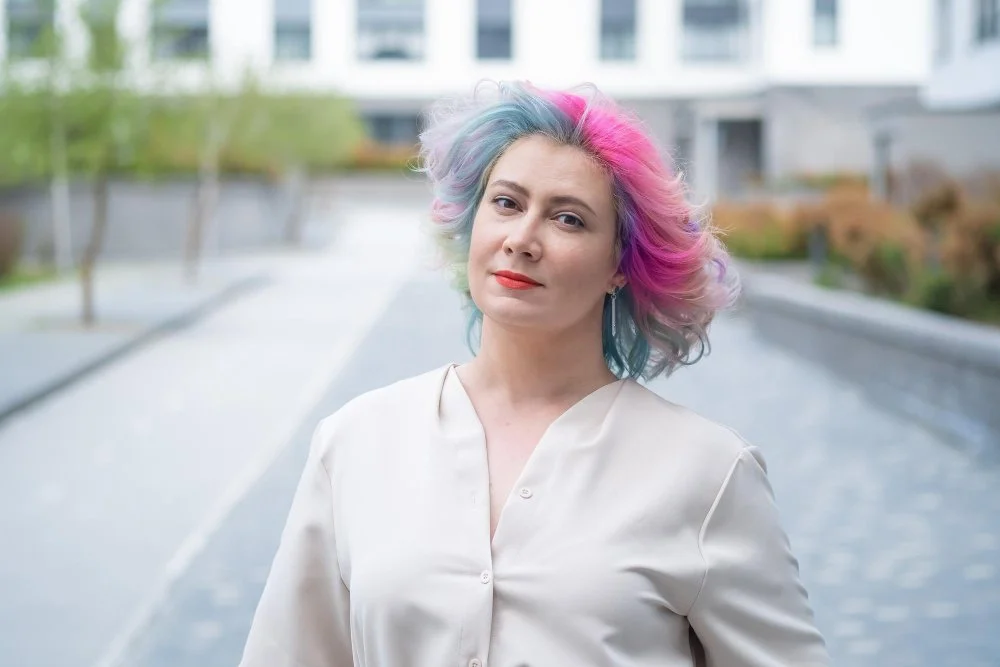
When choosing how to manage or enhance graying hair naturally, several coloring approaches can help achieve the perfect balance between coverage, softness, and a natural-looking finish.
Permanent Color for Full Coverage
Permanent hair dye is ideal for clients seeking excellent gray coverage that lasts a long time. These dyes penetrate deep into the hair and give a rich color that does not wash out. The colorist will create a formula that delivers the right amount of coverage and softness, making it one of the top professional hair color options for covering gray.
Demi-Permanent Color for Blending
Demi-permanent color very gently fuses grays with the natural color without removing the original pigment. It gives a softer, more natural finish and fades over time without showing new hair growth. It is an excellent option for those easing into coloring gray hair or for subtle blending.
Highlights, Lowlights, and Gray Blending
Applying highlights or lowlights in a clearly visible area gradually reduces the contrast between the gray and pigmented strands. This method is the choice of many clients who are not yet ready to give up the dye and still want a natural-looking, slightly snowy hair effect throughout the entire process. The outcome is a look that is not only softer and lighter but also younger.
Choosing Shades That Flatter Mature Skin Tones
When aiming for a youthful, fresh look, color choice is crucial, especially when selecting the best hair color for gray hair.
Warm Tones for a Healthy Glow
Golden blondes, caramel browns, honey highlights, and warm reds not only provide but also radiate the skin of the mature. These colors not only make the features of the face more visible but also give a softer and more vibrant look.
Lighter Shades to Soften Contrast
Sometimes it is enough to go a bit lighter than your natural color to cover gray and soften the contrast. Soft blondes, light browns, and beige hues are generally perfect for hair that is getting older.
Dimension for Natural Movement
Flat, solid color can be deceiving and make the hair look older. By introducing layers of color with highlights, lowlights, balayage, or babylights, one can achieve movement and shine, reinforcing why professionals recommend the best hair color for gray hair rather than single-process box dye.
Keeping Hair Healthy Before and After Coloring
Healthy hair keeps your color vibrant and long-lasting, which is essential when coloring gray hair. As we get older, hair tends to dry out, get more porous, and break more easily. That’s why taking care of your hair before and after coloring really matters. When you prep and protect your hair, that new color doesn’t just look great on day one; it stays shiny and smooth for weeks. A good salon knows this. They don’t just slap on dye—they make sure your hair stays firm and hydrated through it all.
Getting Ready to Color
Setting your hair up before coloring is just as important as the color itself, particularly when coloring gray hair correctly. Older hair, especially, needs that extra moisture and a more even texture so the color grabs on and doesn’t fade too quickly. Deep conditioners, protein masks, and bond-repair treatments help toughen your hair and prep it for color. If your hair’s feeling rough or breaking super easily, a stylist might suggest a deep-hydration or strengthening treatment. Sometimes, giving your hair a week or two of TLC before coloring can make all the difference in how the color turns out.
Why Salon Products Matter
One big reason to get your hair colored in a salon—especially when choosing the best professional hair color to cover gray—is the products. Professional color lines are loaded with advanced ingredients that protect, hydrate, and keep damage at bay. Think: conditioning oils, plant extracts, strengthening proteins, and formulas that balance your hair’s pH. All of that means your hair stays healthy and shiny, even after color. If you’ve got gray or aging hair, salon brands use pigments that stick better to coarse strands, giving you richer color and full coverage without over-processing. You end up with softer hair, less breakage, and a color you just can’t get from a box.
Post-Color Care
Once you’ve colored your hair, taking care of it really matters if you want that color to stay bright and fresh, especially after coloring gray hair. Your stylist will probably point you toward the right products—stuff that keeps your hair hydrated and protects the cuticle, which are both key if you want your color to last. Go for sulfate-free shampoos; they’re gentle and help lock in pigment. Hydrating conditioners and masks restore the moisture your hair lost during coloring. Don’t skip heat protectant, especially if your hair’s a little older or you use hot tools often—it makes a big difference. Treat your hair regularly with things like glosses, masks, or bond-builders to keep it soft, strong, and looking its best. Stick with this routine, and your hair will stay healthy and vibrant long after you leave the salon, helping maintain the best hair color for gray hair.
How Professional Color Makes You Look Younger
Hair color does a lot more than just cover grays—it can completely change how you look, especially for anyone exploring hair color for women over 50. Pick the correct shade, and suddenly your skin looks brighter, your features softer, and you just seem more alive. Colorists know all the tricks—playing with tone, layering in dimension, and figuring out exactly where to place each highlight or lowlight. When they get it right, you barely even notice the color itself. You just look fresher, more modern, and like you somehow got a good night’s sleep. Color can work like a filter, warming up your complexion and making everything look a little more vibrant without any drastic changes.
Brighter Hair, Brighter Skin
Skin naturally loses some of its glow over time, but the right hair color can bring back that brightness. When colorists choose tones that match your skin’s undertones, it’s like turning up the lights on your whole face—rosiness comes back, shadows fade, and your skin looks healthier. Warm blondes, golden browns, soft copper shades—these can instantly wake up your look. Even small changes in the tone can make a big difference. When your hair and skin work together, everything just pops, and you look younger, without having to try too hard.
Soft Dimension, Softer Lines
Flat, super-dark hair can sometimes make lines and wrinkles stand out more because of the harsh contrast. That’s why colorists add dimension—highlights, lowlights, those subtle shifts in shade—to soften things up. The way light catches on these different tones blurs out the texture and adds movement. It’s a trick that copies the natural highlights you probably had as a kid. By weaving in lighter pieces or adding softness around your face, your stylist can help you look fresher and more youthful, all without going overboard.
Strategic Placement Creates Lift
Where you put color makes all the difference. Stylists love to add lighter shades around the face or on top of the hair, and there’s a good reason for it—it pulls the eye upward and gives your whole look a lift. It’s like a little magic trick for your features: your cheekbones stand out, your eyes look more open, and your hair feels fuller and more lively. When a pro handles the placement, it’s almost like contouring, but for your hair—perfect for coloring gray hair in a flattering, youthful way.
A good color job does way more than just cover gray. It highlights what’s already beautiful, sharpens your best features, and brings back that healthy glow. With the proper techniques, gentle products, and shades picked just for you, looking younger and brighter isn’t out of reach—no matter your age.
Why Choose CM Salon & Spa for Gray & Aging Hair
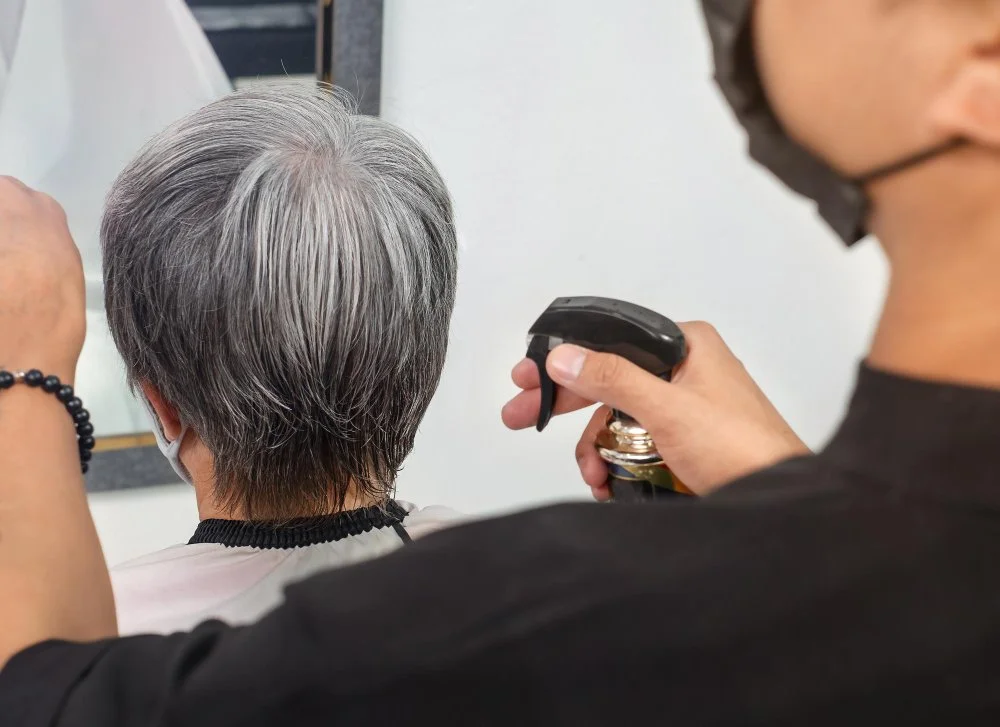
At CM Salon & Spa, we know gray and aging hair deserve special care. Our stylists don’t just cover grays—they bring out natural vibrance and health, so your hair looks alive, not just colored. Whether you want full coverage, a soft blend, or some serious repair, we’ve got services that protect your hair while making it look amazing.
We start with a real conversation, figure out what you want, and use the best techniques to keep your hair strong and beautiful. Some people just want a touch-up, others are ready for a significant change—either way, we’re here to make your hair goals happen.
Conclusion
Coloring gray or aging hair isn’t just about hiding it. It’s about knowing how to make hair look youthful and still feel healthy. The right stylist knows which tones flatter you, what formulas are gentle, and how to apply color so it seems effortless. Maybe you want every gray gone, or perhaps you just want them to blend in. Either way, picking a salon that really gets mature hair makes all the difference. You can have bold, shiny, youthful hair—whatever your age.
FAQs
-
The best dye for gray hair depends on your hair texture, the percentage of gray, and the desired level of coverage. For clients seeking full, long-lasting coverage, permanent salon color is often the most effective option because it penetrates deeper into the hair shaft and binds more securely to coarse gray strands. Demi-permanent colors work beautifully for clients wanting a softer blend or a more natural transition. The ideal color also depends on your skin tone—warm shades can add brightness, while cool tones can create a sophisticated, modern look. A professional consultation ensures your color complements your overall appearance and promotes healthy hair.
-
If you want hair color that makes you look younger, go for shades that brighten your skin and soften any lines. Warm tones—think honey blonde, golden brown, or caramel highlights—really bring out a healthy, natural glow. Lighter pieces around your face help blend in gray roots, so regrowth doesn’t stand out as much, and your features look softer. Adding highlights or balayage gives your hair more movement and life, making you look fresher overall. The trick is finding a color that complements your undertones and adds a bit of radiance. That’s where a good stylist comes in handy—they know exactly how to nail that.
-
As people get older, going a bit lighter with hair color usually works better. Dark shades can look harsh against lighter skin, making features seem sharper than they really are. Softer colors—think gentle blondes, warm beiges, light browns—tend to give your face a smoother look and mix well with any gray. Still, the best color depends on your skin tone, your style, and what feels right for you. Some folks look amazing with deep, warm brunette shades if their skin tone matches. Honestly, nothing beats sitting down with a pro to find a color that highlights your features without taking over.
-
The healthiest hair dye keeps your hair strong while giving you the color and shine you want. Salon dyes usually come packed with conditioners and protective ingredients, so they’re often easier on your hair than most boxed brands from the store. If you worry about dryness or a sensitive scalp, go for dyes with little or no ammonia—they’re much gentler. Some dyes now include bond-builders that actually protect your hair’s inner structure as you color, which is a real game-changer for aging or fragile hair. In the end, the healthiest option is the one that fits your hair’s unique needs, applied by a stylist who knows how to keep your hair at its best.
