
Facials vs. Chemical Peels: What’s Right for Your Skin Type?
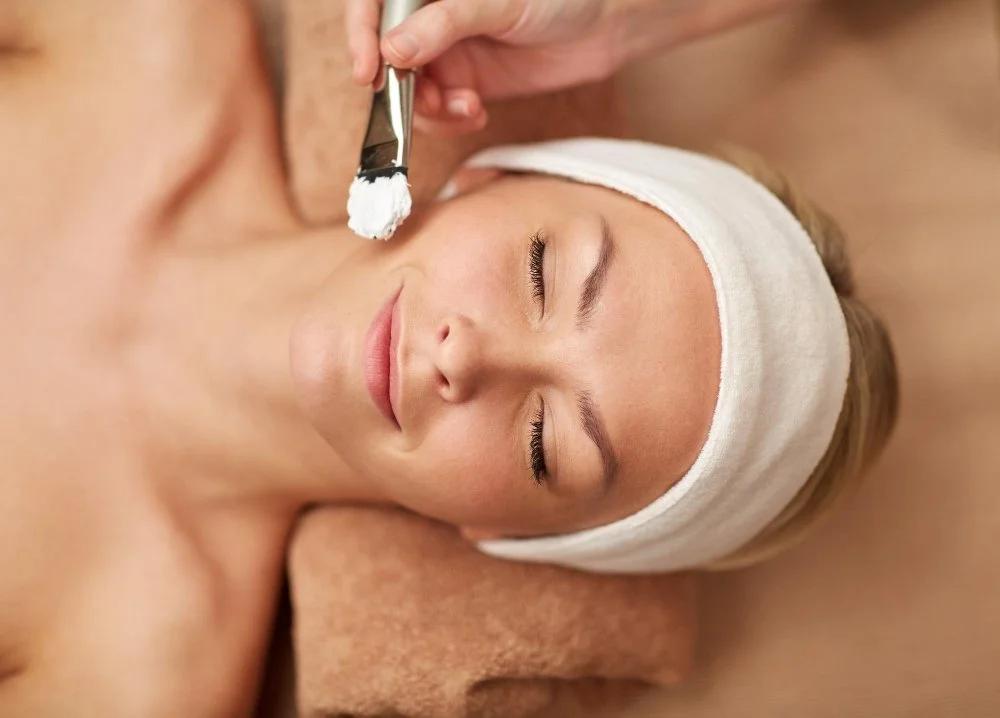
Healthy, glowing skin is not complicated. Choosing the right treatment makes all the difference. Many people compare chemical peels vs. facials when exploring skin treatments. Both are popular ways to refresh your complexion, but understanding how they work can help you choose what’s best for your skin goals.
A facial focuses on cleansing, hydrating, and gentle care. A chemical peel, on the other hand, renews and resurfaces the skin, improving tone and texture. Understanding how each treatment works helps you decide which one is best for your skin type and goals.
What a Facial Really Does for Your Skin
A facial is more than a spa luxury; it’s a tailored treatment that supports your skin’s natural function. Each facial starts with a professional analysis to understand your skin type. This is followed by deep cleansing, exfoliation, and hydration.
Facials remove impurities, boost circulation, and encourage natural cell renewal. Regular facials can strengthen your skin barrier, making it more resilient and hydrated. They are gentle enough for all skin types, making them ideal for regular maintenance. Many people schedule facials every 4 to 6 weeks to keep their skin clear and glowing year-round.
What a Chemical Peel Does Differently
When looking at a chemical peel compared with a facial, chemical peels take exfoliation deeper for more transformative outcomes. They use a controlled solution—often containing glycolic, lactic, or salicylic acid—to remove the top layer of dead skin cells and stimulate new growth. This process reveals smoother, brighter, and more even-toned skin underneath while helping improve texture and clarity.
There are three main types of peels:
Light peels gently refresh the surface with minimal downtime.
Medium peels target fine lines and pigmentation.
Deep peels penetrate further to treat more severe damage or scarring.
Most people start with a light peel to gradually introduce their skin to the treatment, then move on to heavier ones, depending on their skin needs.
Benefits of Each Treatment
Understanding the benefits of each option is important when choosing between a facial and a chemical peel, since both offer unique advantages depending on your skin concerns and long-term goals.
Advantages of Facials
Cleanse and hydrate the skin deeply.
Stimulate circulation and help the natural process of cell renewal.
Fortify the skin barrier to make it less susceptible to damage.
Applicable to every skin type, even the most delicate.
Provide an immediate glow and a sense of calm.
Excellent for regular treatment and prevention of dirt accumulation.
Advantages of Chemical Peels
Remove dead skin cells and support skin renewal.
Make the skin brighter and more uniform in color.
Lessen the appearance of fine lines, discoloration, and acne scars.
Smoother, firmer skin as the texture improves.
Support skin renewal and improve overall skin texture over time.
Provide the option to adjust the depth (light, medium, or deep) based on the skin's needs.
The decision between chemical peels vs. facials often comes down to whether your goal is maintenance or corrective skin renewal.
Facial vs Chemical Peel: What’s the Difference?
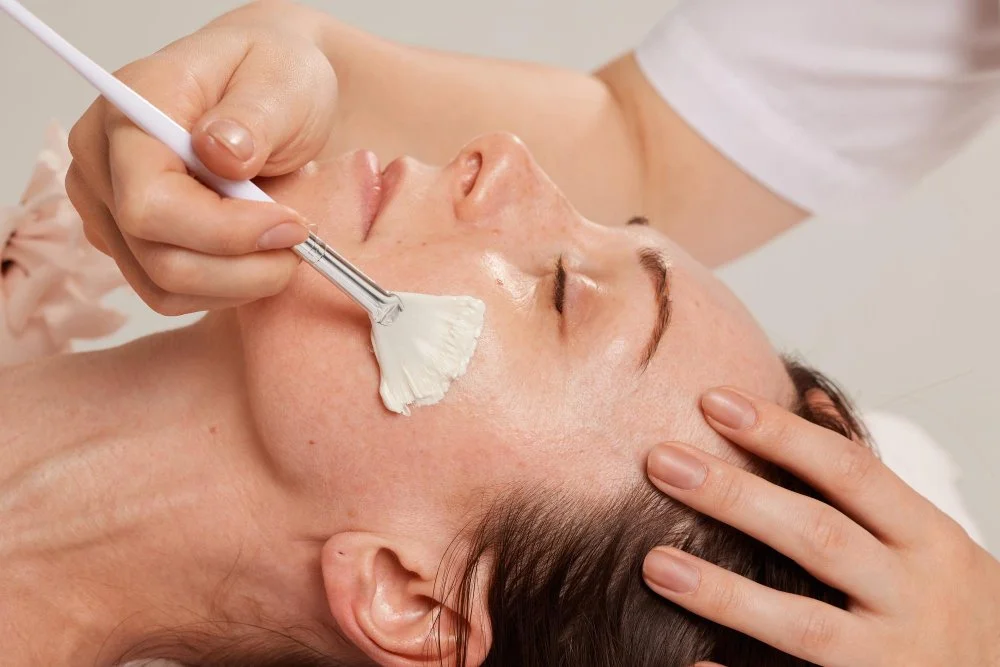
Both treatments improve your skin, but in different ways. Understanding the difference between a chemical peel and a facial helps clarify which option aligns with your concerns—facials support hydration and balance, while peels focus on resurfacing and correction.
Here’s a simple comparison:
| Feature | Facial | Chemical Peel |
|---|---|---|
| Purpose | Hydration and cleansing | Renewal and resurfacing |
| Results | Instant glow | Gradual improvement |
| Downtime | None | Light peeling possible |
| Frequency | Every 4–6 weeks | Every 2–3 months |
| Best for | All skin types | Acne, aging, pigmentation |
In short, the chemical peel vs facial choice depends on whether you want regular upkeep or transformative skin renewal. Many clients alternate between the two to maintain healthy skin year-round.
Which Treatment Fits Your Skin Type Best?
Deciding between a chemical peel vs facial depends entirely on your skin’s unique type, concerns, and desired results.
If your skin feels dry or tight, a hydrating facial or lactic acid peel can add moisture and softness.
If you struggle with oiliness or frequent breakouts, a clarifying facial or salicylic peel can clear pores and reduce congestion.
For sensitive skin, a soothing facial with calming ingredients like chamomile or aloe vera can help strengthen the skin barrier without irritation.
People with sun damage or uneven skin tone often find a glycolic peel helpful, as it brightens the complexion and smooths texture.
What to Expect Before and After
Before your appointment, avoid using exfoliating products or retinol for at least 48 hours. Hydrate well, protect your skin from the sun, and let your esthetician know about any prescription skincare products you're using.
During your treatment, facials usually include cleansing, exfoliation, and hydration with a light massage. Peels may cause mild tingling or warmth as the solution works. This sensation is normal and goes away quickly.
After either treatment, your skin might look slightly flushed or more radiant.
To protect your results:
Always apply SPF 30 or higher.
Avoid makeup for 24 to 48 hours after a peel.
Keep your skin moisturized.
Don’t pick or peel flaking skin, as this can lead to irritation or dark spots.
For personalized aftercare advice, contact CM Salon & Spa. Our estheticians will help your skin recover beautifully.
Why Choose CM Salon & Spa
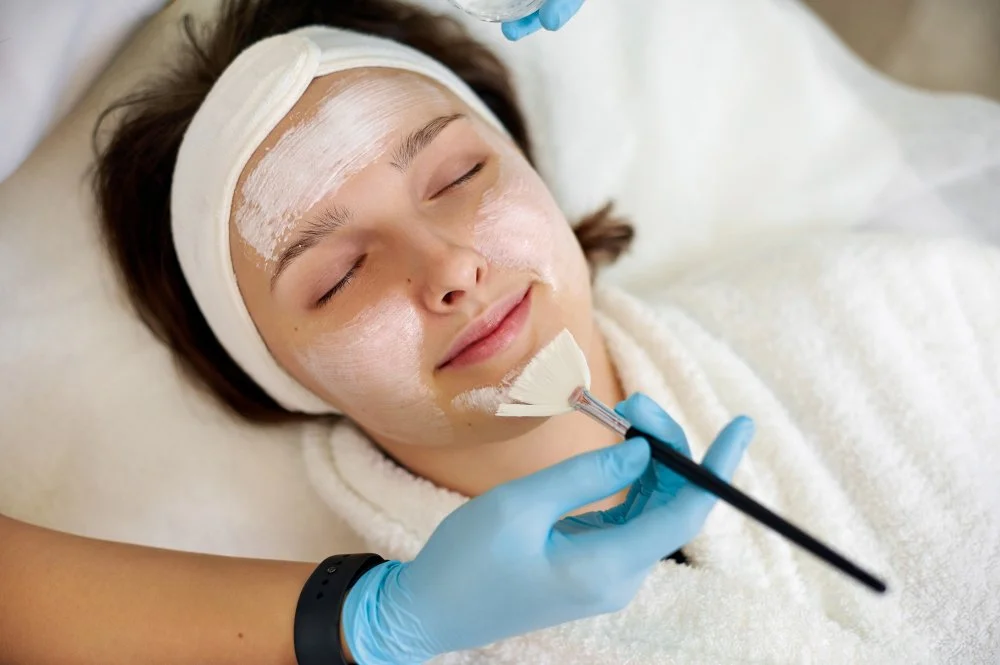
At CM Salon & Spa, skincare is personal. Every facial and chemical peel is performed by trained estheticians who tailor each step to your unique skin profile. Our treatments feature professional-grade skincare formulas used in clinical treatments, ensuring safe and effective results. Each treatment is performed by trained estheticians experienced in facial treatments and chemical peels.
This approach gives you visible results in a comfortable setting. Whether you want a one-time refresh or a long-term skincare plan, our experts can help you achieve radiant, healthy skin without unnecessary downtime. Book your consultation today to discover which chemical peel vs facial treatment is best for your skin’s long-term glow.
Conclusion
Both facials and chemical peels can significantly improve your skin's health and appearance. The right choice depends on your goals, skin type, and lifestyle. If you're looking for ongoing maintenance, hydration, and that instant glow after treatment, a facial is the best option. If you have concerns like acne scars, fine lines, or uneven tone, a chemical peel can provide deeper, longer-lasting results.
FAQs
-
If your skin is oily or prone to breakouts, deciding between a facial and a chemical peel depends on how deep you want to address the problem. A facial helps control oil, unclog pores, and reduce inflammation through cleansing, extractions, and hydration. It’s excellent for maintenance and surface issues. A chemical peel, on the other hand, goes deeper. Ingredients like salicylic acid penetrate pores to dissolve excess oil and dead skin cells, reducing acne and future breakouts. Peels also help fade post-acne marks over time.
For mild oiliness and blackheads, start with regular facials every 4 to 6 weeks. If you have active acne or scarring, chemical peels offer stronger, longer-lasting results. Many clients alternate between facials for upkeep and peels for correction. Always seek professional advice before starting a peel routine.
-
Frequency is essential when comparing chemical peels and facials. Most professionals suggest a facial every 4 to 6 weeks. This timing aligns with your skin’s natural renewal cycle, helping to prevent buildup and maintain balance. For chemical peels, the schedule depends on the depth and your skin type. Light peels can be done every 2 to 3 months, while deeper peels are typically scheduled 3 to 4 times a year to allow for complete healing.
Having treatments too close together may lead to dryness or sensitivity, so always follow your esthetician’s recommendations. Combining monthly facials with quarterly peels usually provides the best mix of hydration and renewal, keeping your skin clear and healthy.
-
It’s usually not recommended to get both treatments on the same day. While both aim to refresh your skin, a facial and a chemical peel affect different layers of the skin. Doing them together may lead to over-exfoliation, which can cause irritation, redness, or sensitivity.
Instead, plan your appointments apart. Many estheticians suggest starting with a facial to prep and hydrate the skin. Then, schedule the peel about 2 to 4 weeks later. This order allows your skin time to heal and ensures the peel works more evenly.
At CM Salon & Spa, your esthetician can create a personalized treatment plan to keep your skin healthy, balanced, and glowing without unnecessary strain.
-
If your skin feels rough, looks dull, or shows signs of deeper damage, such as dark spots or acne scars, it might be time for a chemical peel. Peels are especially effective if you notice fine lines, uneven tone, or persistent blemishes that don’t improve with facials or over-the-counter products. Facials focus on surface hydration and maintenance. Peels target underlying texture and pigmentation by promoting cell turnover and collagen production. If your skin issues are more corrective than cosmetic—like discoloration or scarring—a professional peel will probably provide better long-term results. During a consultation at CM Salon & Spa, our experts will evaluate your skin and recommend a facial, a peel, or an alternating plan.
-
Yes, but the key is customization. For sensitive skin, a gentle facial is often the safest way to start. It hydrates, soothes irritation, and strengthens your skin barrier without harsh exfoliants.
A chemical peel can also be safe for sensitive skin if it is light and applied by a professional. Some formulas use mild acids paired with calming ingredients to reduce redness and peeling.
The best approach is to start conservatively and increase tolerance over time. Let your esthetician know if you have rosacea, allergies, or a history of reactions. At CM Salon & Spa, we tailor every treatment—whether a facial or a chemical peel—to ensure comfort and lasting results without irritation.
