
What to Expect After a Chemical Peel: Recovery & Results

A professional chemical peel treatment can do wonders for the complexion, brightening tone, smoothing texture, and reducing visible signs of aging. However, what happens after the appointment is just as important as the peel itself. By understanding each stage—from mild redness to visible peeling—you can plan, protect the treated area, and enjoy lasting benefits. This guide explains what to expect during recovery, how long healing typically takes, and what proper aftercare looks like to support healthy, glowing skin.
What Happens During a Chemical Peel Treatment
A chemical peel is a controlled exfoliation method that removes the damaged outer layers of the skin using a combination of acids, such as glycolic, lactic, or salicylic acid. This process supports skin renewal and promotes new cell turnover, revealing fresher, smoother skin underneath. Depending on your needs, your esthetician may suggest a light, medium, or deep peel.
Light peels refresh the surface, while medium and deep peels address issues like acne scars, wrinkles, and dark spots. The treatment itself lasts about 30 minutes. You’ll feel a mild tingling sensation that fades quickly, followed by a soothing application of professional hydrating products selected to calm and replenish the treated area. However, the fundamental transformation begins after you leave the salon during your recovery.
Types of Chemical Peels: Light, Medium, and Deep
A professional chemical peel treatment is always tailored to your skin type, goals, and tolerance. There are three main types of peels, each with a different level of exfoliation and recovery:
Light chemical peel:
Uses mild acids, such as lactic or glycolic, to gently resurface the outer layer of the skin. It is excellent for beginners or for regular maintenance, with minimal downtime.
Medium chemical peel:
Focuses on deeper layers to address issues such as fine lines, pigmentation, and acne scars. You can expect mild peeling and a few days of noticeable recovery.
Deep chemical peel:
Reaches deeper into the dermis to address more serious problems, such as wrinkles or severe sun damage. It gives dramatic results but needs a longer recovery time of 10 to 14 days.
Every type of chemical peel treatment leads to smoother, more radiant skin. However, recovery and results differ based on depth, aftercare, and consistency.
The First 24 Hours: What to Expect
Right after your peel, the treated area may look slightly pink and feel tight or warm. This reaction is entirely normal and indicates that your complexion is responding to the treatment. Avoid washing your face or applying makeup for the first 6 to 8 hours. Keep your routine simple: cleanse gently if needed and use a basic moisturizer to protect your skin barrier. Most importantly, avoid sun exposure since your skin will be more sensitive during this time. Hydration and sun protection are essential from now on. Drink plenty of water, stay indoors if possible, and apply SPF 30+ when you resume your morning routine.
Day-by-Day Chemical Peel Recovery
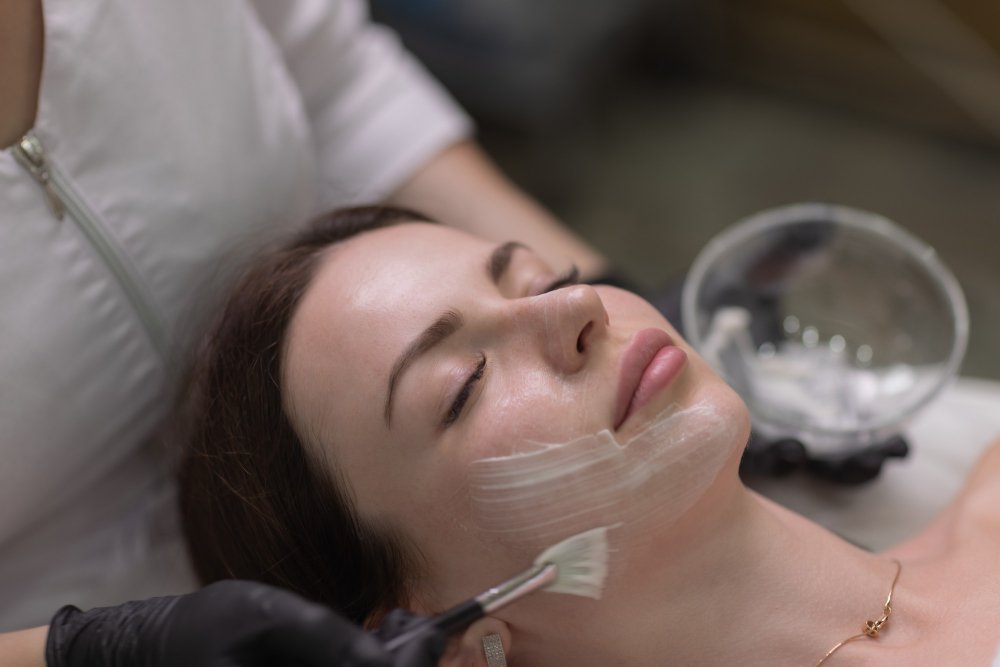
Healing happens gradually, and following a day-by-day chemical peel recovery guide can help you understand what’s normal as your skin renews.
Day 1–2:
Your skin may feel tight and slightly dry. Redness or mild warmth can last up to 48 hours.
Day 3–4:
Flaking or peeling begins, often around the mouth, chin, and nose. Avoid touching or peeling the skin manually—it will shed naturally.
Day 5–7:
Peeling slows, and a smoother, brighter layer begins to show. The skin may look pink, but it will even out soon.
Day 8–14:
Peeling stops completely, and your skin barrier strengthens. You’ll notice lasting improvements in tone, smoothness, and clarity.
Even after two weeks, the new skin layer continues to regenerate beneath the surface, improving firmness and glow over time.
How Long Do You Peel After a Chemical Peel?
For most people, visible peeling lasts three to seven days. This duration depends on the depth and strength of the peel. Light peels cause mild flaking, while medium-depth peels can lead to noticeable shedding for about a week. Deeper peels may take up to 10 to 14 days for full recovery. Your recovery time also hinges on your aftercare routine. Picking at the treated area or over-exfoliating can slow healing. In contrast, proper hydration and sunscreen can speed up the process and protect your results. Even after peeling stops, collagen production continues for several weeks, resulting in firmer, more youthful skin.
Chemical Peel Aftercare: What to Do and Avoid
Proper aftercare is key to achieving lasting results. The right post-peel habits keep your complexion calm, hydrated, and glowing.
In the first week:
Use a gentle cleanser and a light, fragrance-free moisturizer.
Avoid makeup for 24 to 48 hours.
Skip hot showers, workouts, and saunas for a couple of days.
Stay out of direct sunlight and use SPF 30 or higher daily.
Do not use exfoliants, acids, or retinoids until your esthetician gives you the green light.
Allowing your skin to heal naturally helps the new layer stay smooth and even.
Tip: Moisturizers with ceramides or hyaluronic acid can soothe dryness without clogging pores.
When You’ll See the Final Results
Final results depend on peel depth and aftercare consistency. Many clients notice smoother texture and a healthy glow within the first week. Over the next few weeks, continued collagen production improves tone and firmness. Understanding chemical peel recovery and results helps set realistic expectations and supports long-term skin improvements.
Why Choose CM Salon & Spa
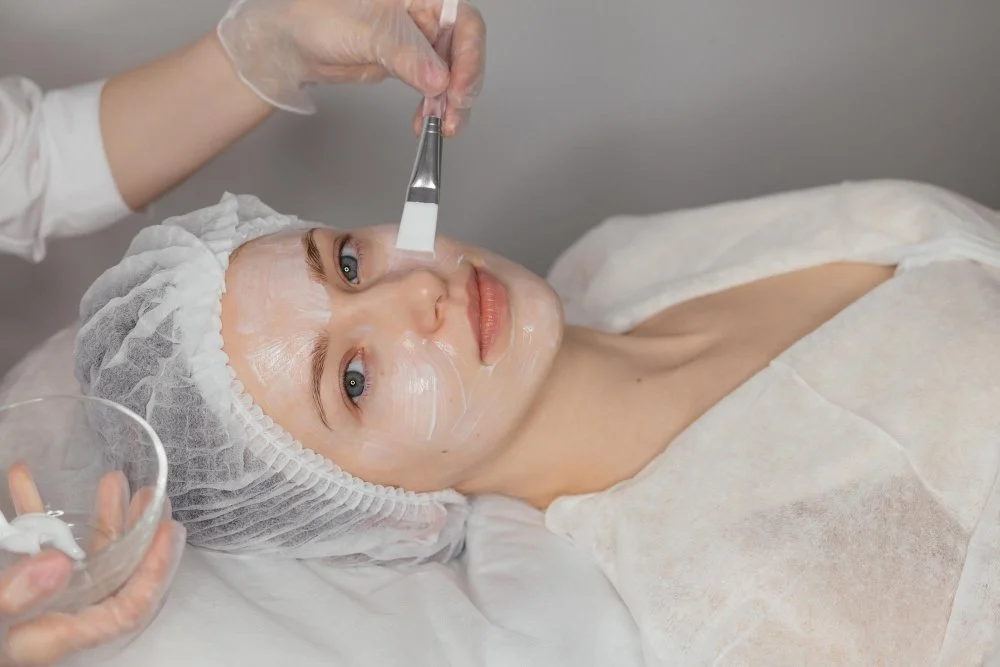
At CM Salon & Spa, we design your chemical peel experience with safety, comfort, and visible results in mind. Our estheticians carefully examine your skin before suggesting the best formula and peel depth.
Every treatment includes a customized post-peel care plan, developed as part of the salon’s standard post-treatment care process, and tailored to each client’s recovery time and sensitivity. Whether you want a smoother texture, fewer breakouts, or a brighter tone, the process includes guidance throughout each stage of treatment and recovery.
Are you ready to reveal your best skin? Learn more about our professional chemical peel treatments or book your appointment today to start your skin renewal journey.
Conclusion
The chemical peel process is a short journey leading to lasting skin renewal. Mild redness and peeling are normal steps toward achieving smoother, healthier skin renewal. With proper aftercare, the complexion will look brighter, more even, and revitalized.
Understanding the complete chemical peel recovery timeline helps you plan, stay patient, and enjoy the transformation. As each layer sheds, a newer, fresher you emerges—proof that great skin is worth the effort.
FAQs
-
The chemical peel process usually lasts about 7 to 10 days for light or medium-strength peels. The actual treatment takes about 30 minutes. However, the recovery period is when most of the changes occur. In the first few days, you might notice mild tightness, redness, or flaking as your skin starts to renew. By the end of the first week, peeling typically slows down, revealing a smoother, brighter layer beneath. For deeper peels, recovery time can extend up to two weeks as the skin rebuilds and strengthens. During this time, it’s essential to care for your skin by moisturizing regularly and applying sunscreen to protect it.
-
Most people peel for three to five days after a light to medium chemical peel. The duration can vary based on your skin type and the peel’s intensity. Peeling usually begins around day three and peaks by day five, starting near the mouth and nose before spreading outward. For deeper peels, shedding can last up to 10 to 14 days. It’s essential to let the skin peel naturally without picking or scrubbing, as this can cause irritation or uneven healing. Even if you don’t see visible peeling, your skin is still renewing beneath the surface. This is a regular part of the chemical peel recovery process. Be patient and keep your skin hydrated with a gentle, fragrance-free moisturizer until the peeling stops completely.
-
During the recovery phase, your skin is more delicate and needs time to heal. For at least one week after your chemical peel, avoid direct sunlight, heavy sweating, or any activity that overheats the skin, such as saunas or hot showers. Avoid using exfoliating products, scrubs, or retinoids until your esthetician tells you it’s okay. You should also skip makeup for the first 24 to 48 hours to prevent irritation. The most critical step is daily sun protection—apply a broad-spectrum SPF 30 or higher, even on cloudy days. Sun exposure right after a peel can cause pigmentation or increased sensitivity, so diligent sunscreen use is essential. By following these aftercare guidelines, you’ll protect your investment and enjoy better results for longer.
-
Visible improvement usually starts around day 5 to 7 as the peeling slows and your fresh skin appears. However, the full benefits of a chemical peel treatment take several weeks to develop. During this time, collagen and elastin production increase, helping to smooth fine lines and improve texture. Most clients notice their best results around two to four weeks after the treatment, with ongoing improvements in brightness and tone. If you’ve had a deeper peel, your recovery will take longer, but the results are often more dramatic and long-lasting. To keep your new glow, apply SPF daily, use gentle skincare products, and stay hydrated. With consistent aftercare, you can enjoy clearer, younger-looking skin for months.
-
Yes, you can combine a chemical peel with other professional skincare services to improve your overall results, but timing is essential. Peels work well with facials, LED light therapy, or hydrating treatments that support exfoliation. However, avoid scheduling multiple exfoliating procedures, like microdermabrasion or another peel, too close together, as this can make your skin overly sensitive. Most professionals suggest waiting at least two weeks between treatments to allow for full recovery from the chemical peel. This gives your skin barrier time to rebuild and ensures you get the best possible results without irritation. Once your skin has healed, complementary treatments can help maintain your glow and target specific concerns, such as fine lines, uneven tone, or dryness.
