
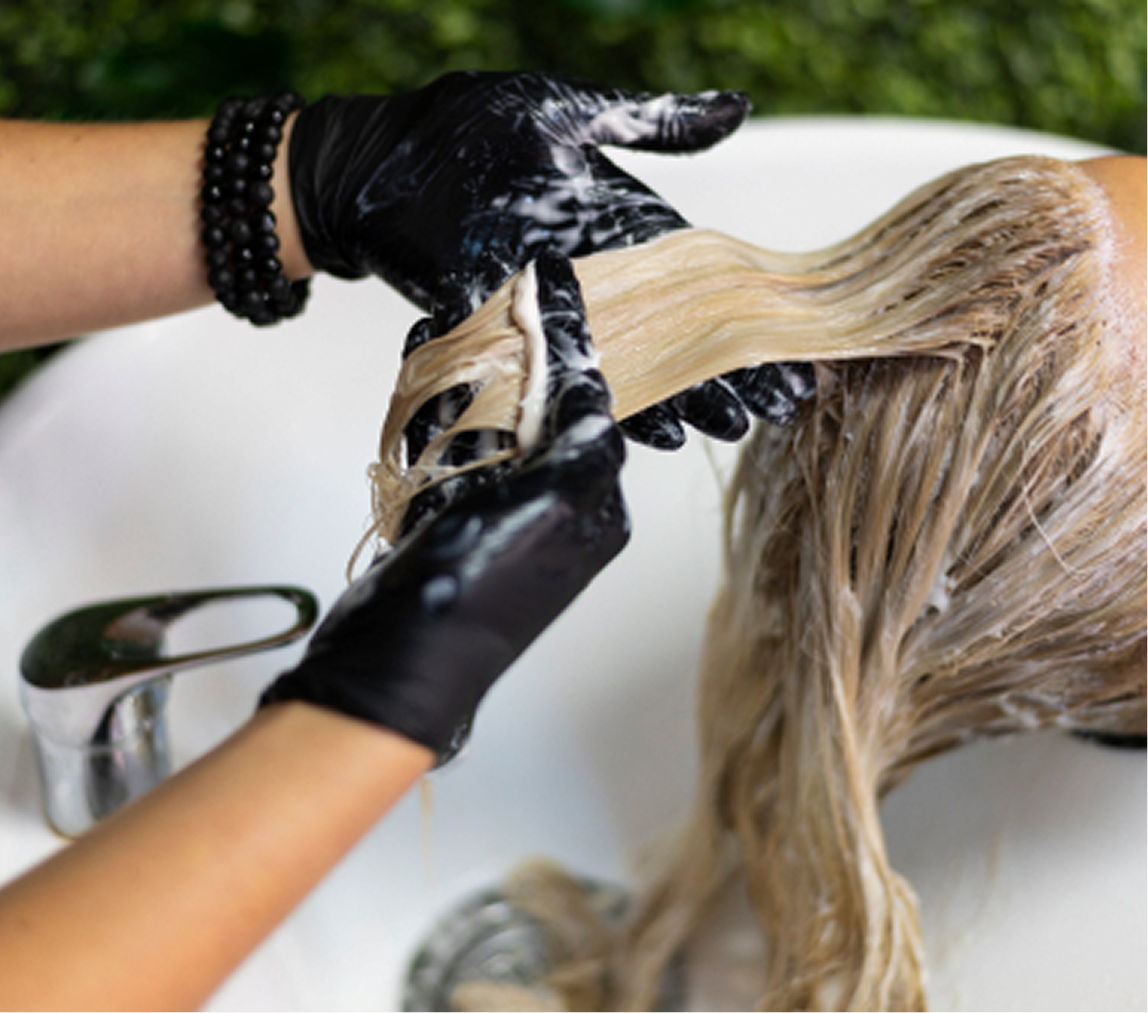
Professional Hair Color for Sensitive Scalps
Professional hair color for sensitive scalps starts with an in-person assessment, not guesswork. At CM Salon & Spa in Lakeview, every sensitive-scalp appointment begins with a complimentary consultation, so your colorist understands your scalp and your goals before any formula is chosen.
Our Color Services Include:
Root Retouch (Under 2 Inches of Regrowth) $80
Why Professional Application Matters for a Sensitive Scalp
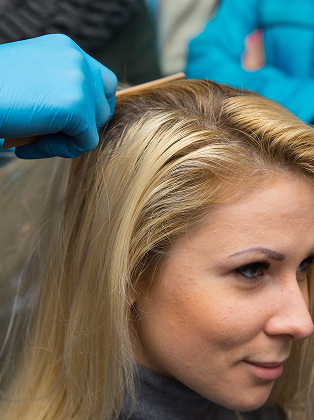
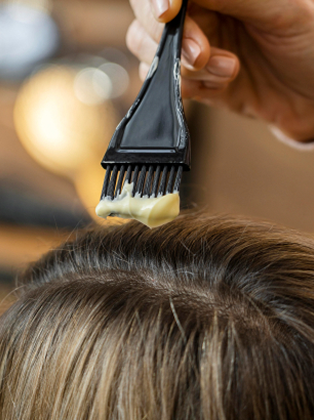
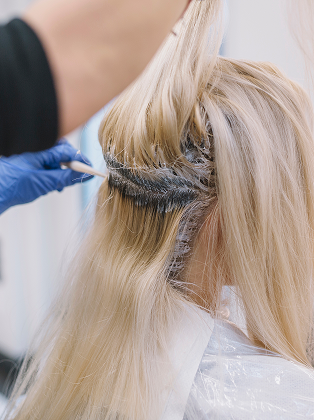
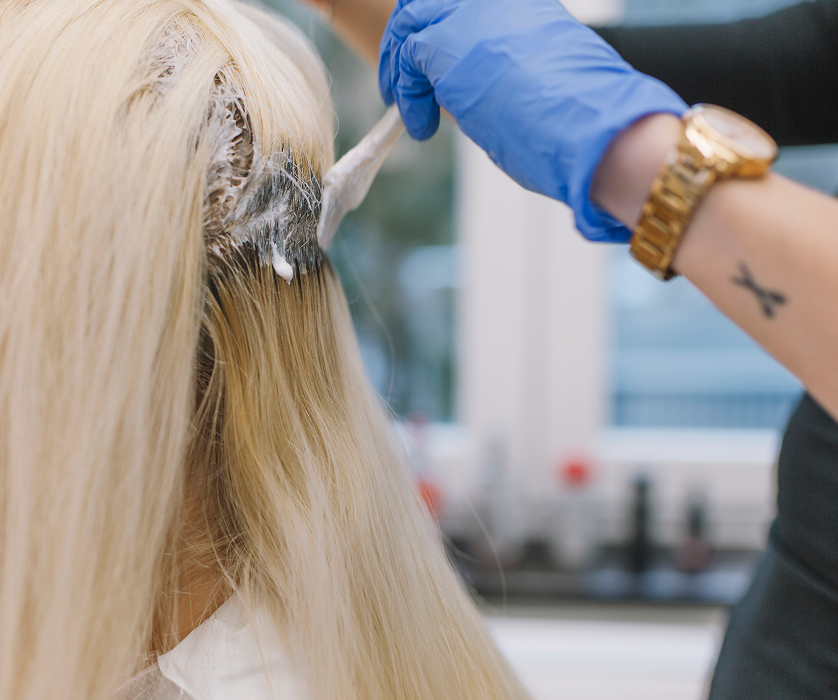
The best professional hair color for sensitive scalp results comes from control that at-home kits simply cannot offer. A professional colorist can adjust the formula strength by dilution, keep the product away from the skin during placement, and closely monitor processing time. Each of these choices reduces the risk of irritation in ways a box kit cannot. Add a hands-on scalp assessment before application, and your colorist can adapt the approach in real time rather than following the fixed instructions printed on a box.
What We Look For Before Recommending a Formula
When considering professional hair color for sensitive scalps, your colorist reviews your hair history and any prior reactions to color, including redness, itching, or burning, before choosing anything. We check gray density to understand how much coverage you want and how much lift is required. Drawing on 45+ years combined experience, our team examines the current scalp condition for dryness, flaking, or existing irritation. These details let us match the formula's strength to your sensitivity level rather than defaulting to a one-size-fits-all approach.
Ingredients We Prioritize and Ingredients We Avoid
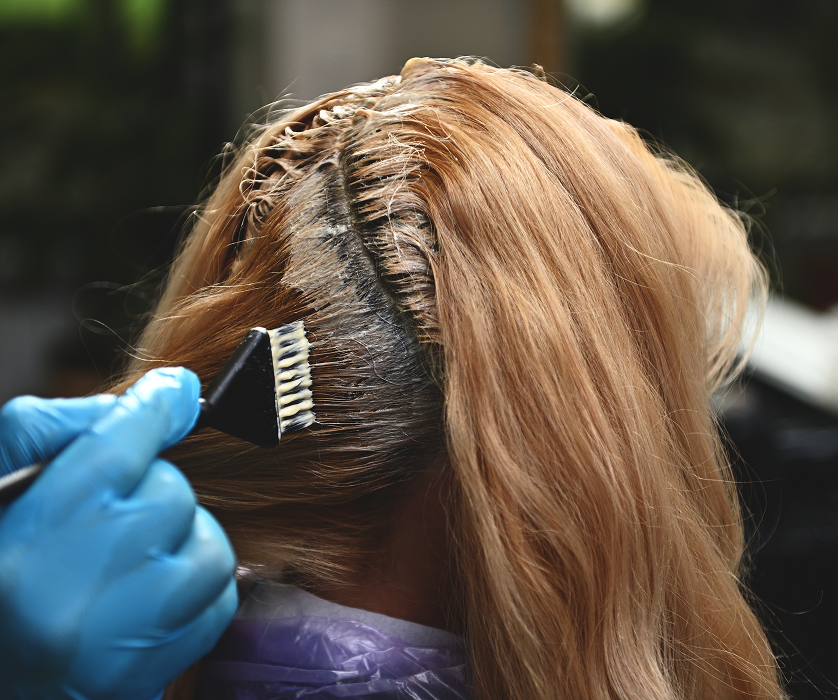
Professional hair color for sensitive scalps avoids certain ingredients that commonly trigger irritation on reactive skin, including PPD and resorcinol. Where appropriate, we prioritize ammonia-free and PPD-free options that are gentler on the scalp while still delivering rich, lasting results. Because no two clients react the same way, professional-grade formulas can be selected and adjusted per person during your consultation. This transparency around what goes in and what stays out is part of how we build trust before your appointment ever begins.
The Patch Test Step, Explained
A patch test at a hair color salon is a standard part of our sensitive-scalp process, not an optional extra. We schedule the 48-hour patch test ahead of your color appointment so there is time to carefully observe the results. A small amount of the chosen formula is applied and then left undisturbed for the full window. A clear result, meaning no redness, swelling, or itching, confirms the formula is a suitable match. If any reaction appears, we adjust the plan before coloring proceeds.
What Happens During Your In-Salon Consultation
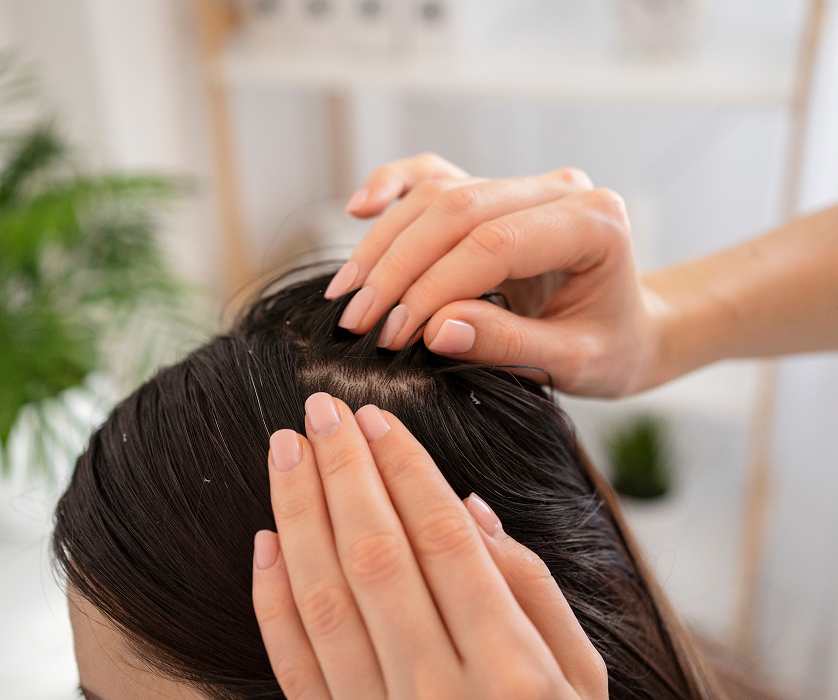
Professional hair color for sensitive scalps begins at your consultation, which starts with a conversation about your sensitivity history, past reactions, and what you hope to achieve. Next comes a hands-on scalp assessment, where your colorist examines both scalp condition and hair health up close. From there, we move to formula selection and recommend a technique suited to your scalp and lifestyle. Finally, we cover the timeline, setting realistic expectations for the color appointment, any patch testing, and how future visits should be spac
Techniques That Reduce Scalp Contact
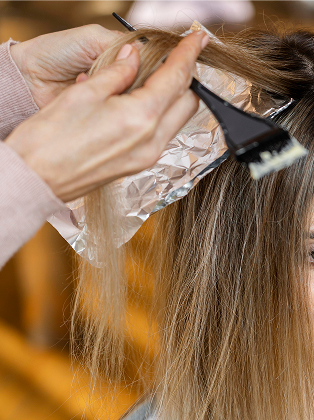
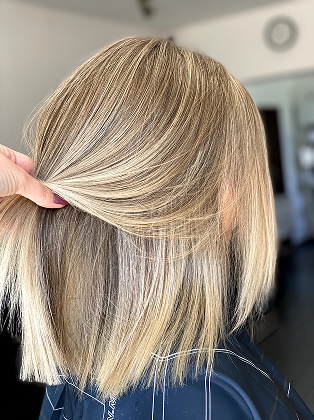
For clients who want color with minimal root-level exposure, off-scalp techniques are worth discussing during your consultation. Balayage and ombre place lightener and color away from the roots, which limits chemical contact near the scalp. Careful root placement keeps sensitive skin protected while still creating dimension and depth. When full-scalp application feels like too much, your colorist may recommend one of these approaches instead. The right choice always depends on your goals, your natural color, and how your scalp responds.
Ongoing Care Between Sensitive-Scalp Color Appointments
Good aftercare protects both your color and your scalp comfort between salon visits. We recommend gentle, sulfate-free products that clean without stripping, along with simple habits that keep the scalp calm day to day. If you notice any new irritation or a change in your scalp condition, reach back out so we can adjust before your next visit. This ongoing relationship also naturally connects to future maintenance, gray blending, or professional color correction at CM Salon & Spa as your goals evolve over time.
Frequently Asked Questions
-
Professional hair color for sensitive scalps generally reduces the risk of irritation because application is controlled at every step. A colorist can dilute the formula, place product precisely to keep it off the skin, and monitor timing throughout processing. At-home kits offer a fixed strength and fixed instructions with none of that adjustment or oversight. Pair that control with a scalp assessment and a patch test beforehand, and professional application gives your scalp a much better margin of safety.
-
A hair color consultation for sensitive-scalp concerns works best when you share all relevant information with your colorist. Tell your colorist about past reactions to color, such as burning, itching, or redness, and mention any known allergies, especially to dye ingredients. Note whether your scalp is currently irritated, dry, or flaking. This information directly shapes formula strength and technique choice. The more your colorist knows before starting, the more precisely we can tailor the approach to protect your scalp.
-
Professional hair dye for sensitive scalp use is chosen and customized for you, which box dye simply cannot match. Professional-grade formulas let a colorist adjust strength through dilution and select gentler options based on your sensitivity level and history. Box dye arrives at a single fixed strength, with instructions written for the general public, not for your scalp. That lack of adjustment is exactly why reactive skin often struggles with kits that a tailored, professionally applied formula can accommodate far better.
-
Yes. A patch test at a hair color salon is recommended before each new formula, not just once. Scalp sensitivity can develop or change over time, so a formula that worked previously may not react the same way today. Coloring your hair in the past does not guarantee a clear result now, even with the same brand. Testing before every new formula is a simple step that helps confirm compatibility and protects your scalp from an unexpected reaction on color day.
-
If you have active scalp sensitivity, a hair color salon appointment may need to be rescheduled or adjusted. Coloring over irritated, broken, or inflamed skin can worsen discomfort, so your colorist may recommend rescheduling until the skin settles. During your consultation, we assess your current scalp condition, discuss timing, and suggest interim care to help the scalp recover fully. Once your skin is calm, we plan the color service to put your comfort first.