
Professional Hair Color vs. Box Dye: Why Chicago Clients Choose the Salon
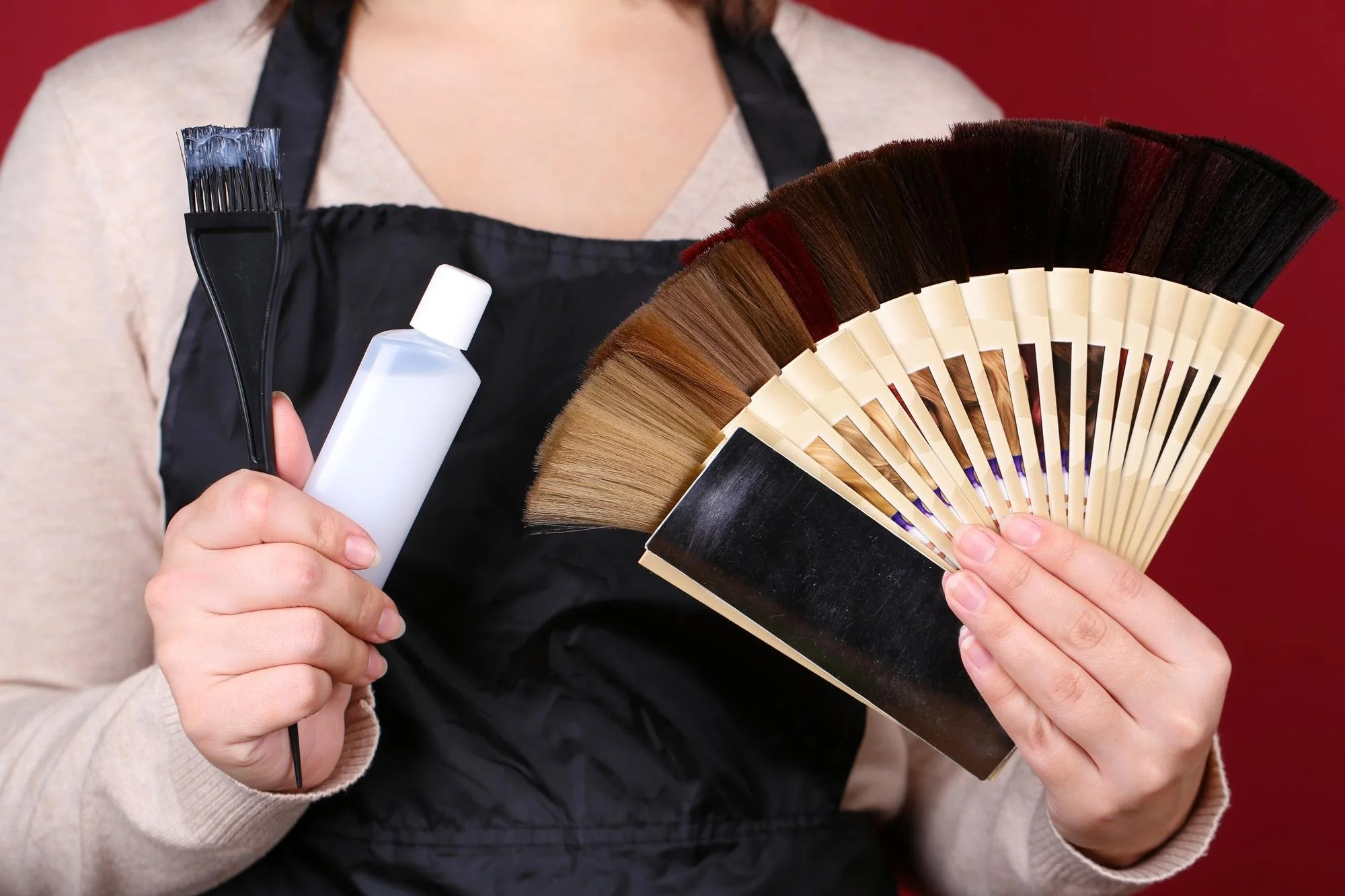
Professional hair color is the more expensive option on the surface. A box kit costs $12. A salon appointment costs $150 and up. But the comparison changes completely when you factor in what each formula actually does to your hair structure, how long the color lasts between appointments, and what it costs to fix when a box-dye application goes wrong. This guide walks through the real difference, without the sales pitch.
What Makes Professional Hair Color Actually Different From Box Dye
Box dye is formulated to work on any hair, which means the developer strength is fixed at a level calibrated for a statistical average, not your specific hair. For fine or porous hair, that formula is often too strong. For coarser or more resistant hair, it may be too weak. Professional hair color is mixed for the client in front of the colorist: developer volume, pigment concentration, and conditioning additives are all adjusted based on current hair condition, previous color history, and the target result. That customization is the foundational difference between the two.
Why Box Dye Results Look Different Than Salon Color, Even When the Shade Matches
The shade on the box assumes uniform porosity, consistent lift across all sections, and no prior color history that would interfere with uptake. Most hair has none of those conditions. Box dye molecules are larger and penetrate less evenly than professional pigments, resulting in faster fading and tonal inconsistency across the same head. Repeated applications compound this: metallic salts present in many box formulas accumulate on the hair shaft over time, creating a buildup layer that blocks future color treatments and causes visible color banding at the root line where new growth meets previously processed lengths.
What Professional Colorists in Chicago Actually Do Differently
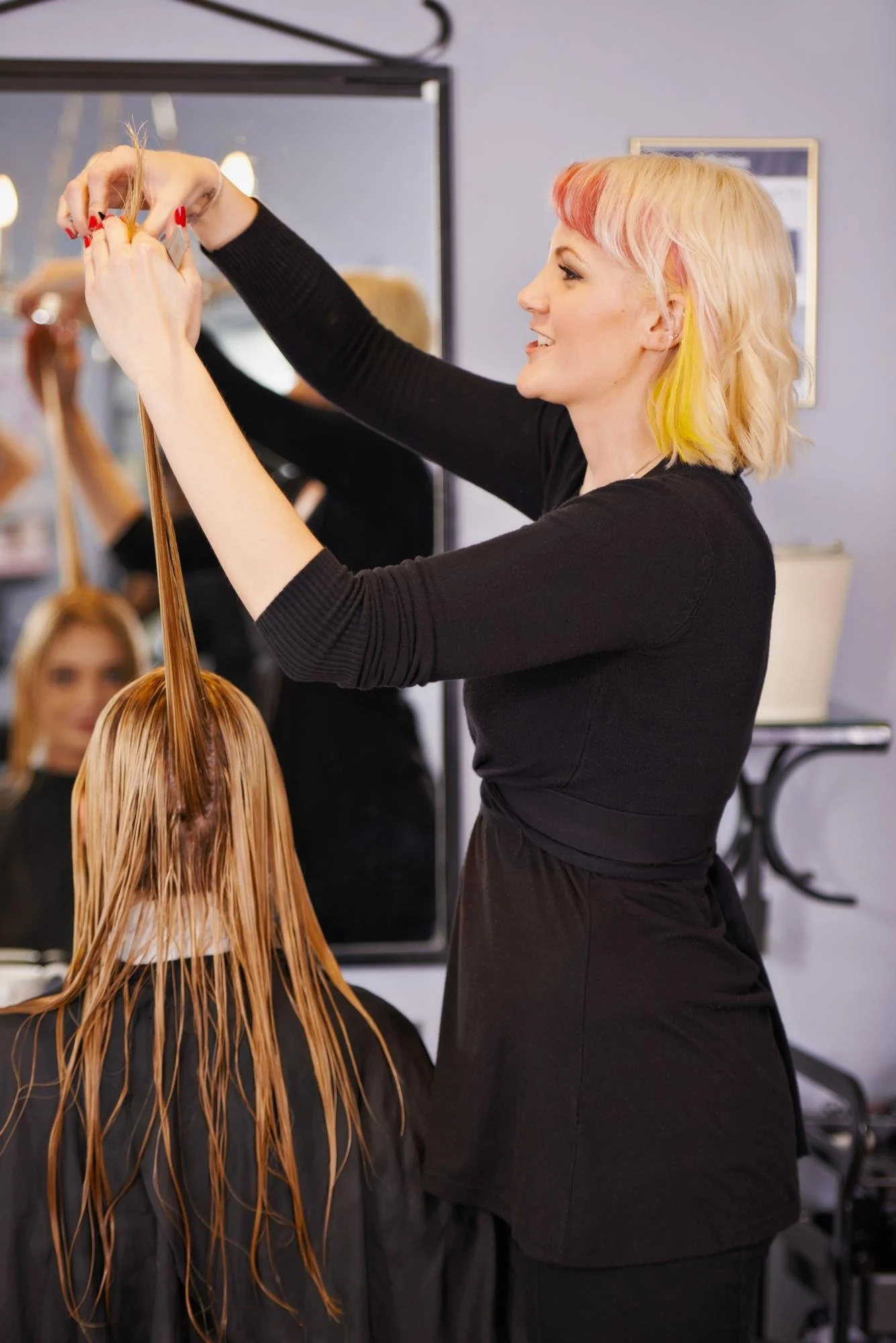
A professional colorist does not open a box and follow instructions. They begin with a hair-condition assessment, evaluating porosity, growth pattern, and the chemical history of each section before mixing anything. Sectioning is deliberate. Processing time is monitored, not set and forgotten. Tone is adjusted mid-process if the lift reads warm or the formula processes faster than expected. These are not cosmetic refinements. They are the reason professional color applies evenly, fades gradually rather than patchily, and does not require a correction appointment three weeks later.
The Hidden Cost of Fixing Box Dye Damage: Color Correction Explained
When box dye produces brassiness that won't lift, dark buildup that resists new color, or uneven tone across sections, the solution is color correction, and correction is not a single appointment. Depending on the degree of metallic salt accumulation and pigment saturation, a full correction can require two to four sessions with bond-building treatment incorporated throughout. The cost of those sessions ranges from several hundred dollars to more. The price gap between a $12 box and a $150 professional service closes faster than most people expect once a correction is factored in.
The Ingredients Inside Box Dye, and Why Formulators Don't Tell You Everything
Box dye formulas use high-strength peroxide developers to produce reliable lift across the widest range of hair types. Most contain ammonia, PPD (paraphenylenediamine), and metallic salts at concentrations within regulatory safety thresholds for a single application, but become increasingly problematic with repeated use. Professional formulas address this differently: conditioning agents and bond-building additives are incorporated directly into the color mixture. These ingredients protect structural integrity during processing. Shelf-stable box formulas cannot include them because the chemistry is incompatible with a product designed to sit in a warehouse for 18 months before use.
How Salon Color Lasts Longer, and Fades Better
Even fade is not an accident. It is the result of a formula calibrated to the client's porosity level, which determines how deeply pigment can penetrate the hair shaft and how uniformly it deposits across sections. When porosity varies across the head, a fixed-strength box formula produces uneven saturation, which manifests as patchiness and premature brassiness as the color fades. Professional color, adjusted for those variations, fades as a gradual, predictable shift rather than an uneven, oxidized result that requires early touch-up to manage.
When Box Dye Becomes a Problem: Signs Your Hair Is Telling You to Stop
Persistent brassiness that purple shampoo does not correct. A dark buildup at mid-shaft that gets darker with each application rather than lifting. Uneven tone where roots process differently from lengths. Hair that feels dry and rough immediately after washing, not just while it processes. These are not cosmetic inconveniences. They are diagnostic signals that repeated use of box dye has altered the hair's structural chemistry in ways that require professional assessment before any additional color is applied. Continuing to layer formula over a compromised base significantly increases the risk and cost of eventual correction.
What to Expect When You Switch From Box Dye to Professional Color in Chicago
The first professional appointment after extended use of box dye often focuses on stabilization rather than transformation. The colorist assesses accumulated buildup, identifies any porosity irregularities across sections, and applies a formula appropriate to where the hair currently is, not where the client wants it to be in the long run. For most clients with a significant box-dye history, one or two appointments are needed before complex creative color work is appropriate. Understanding this in advance makes the transition less frustrating and yields better outcomes than attempting a major change before the hair is ready.
The Long-Term Cost Comparison: Box Dye vs. Professional Color Over 12 Months
Box dye requires touch-up roughly every four to six weeks, and the fade accelerates with each application. At $12 to $20 per kit, that is $100 to $160 annually under ideal conditions. A professional color service every eight to ten weeks at $150 to $250 produces comparable or slightly higher annual spend with meaningfully better results. That comparison assumes no correction is required. When a correction appointment enters the picture, which it does for a significant share of long-term box dye users, the annual cost of the DIY approach often exceeds professional color by a substantial margin.
Is Professional Hair Color Safer for Damaged or Previously Colored Hair?
For hair that is already compromised by prior chemical processing, dryness, or breakage, professional color is categorically safer. The formula is adjusted: developer strength is reduced, gentler dye systems are selected, and bond-building treatments are incorporated directly into the service when the hair's condition warrants it. Box dye has no mechanism for any of these adjustments. The formula processes the same way regardless of whether the hair is in a healthy condition or structurally weakened. Applying a fixed-strength formula to already damaged hair does not treat the damage. It compounds it in ways that become progressively harder to correct.
How CM Salon & Spa Approaches Color for Clients Switching From Box Dye
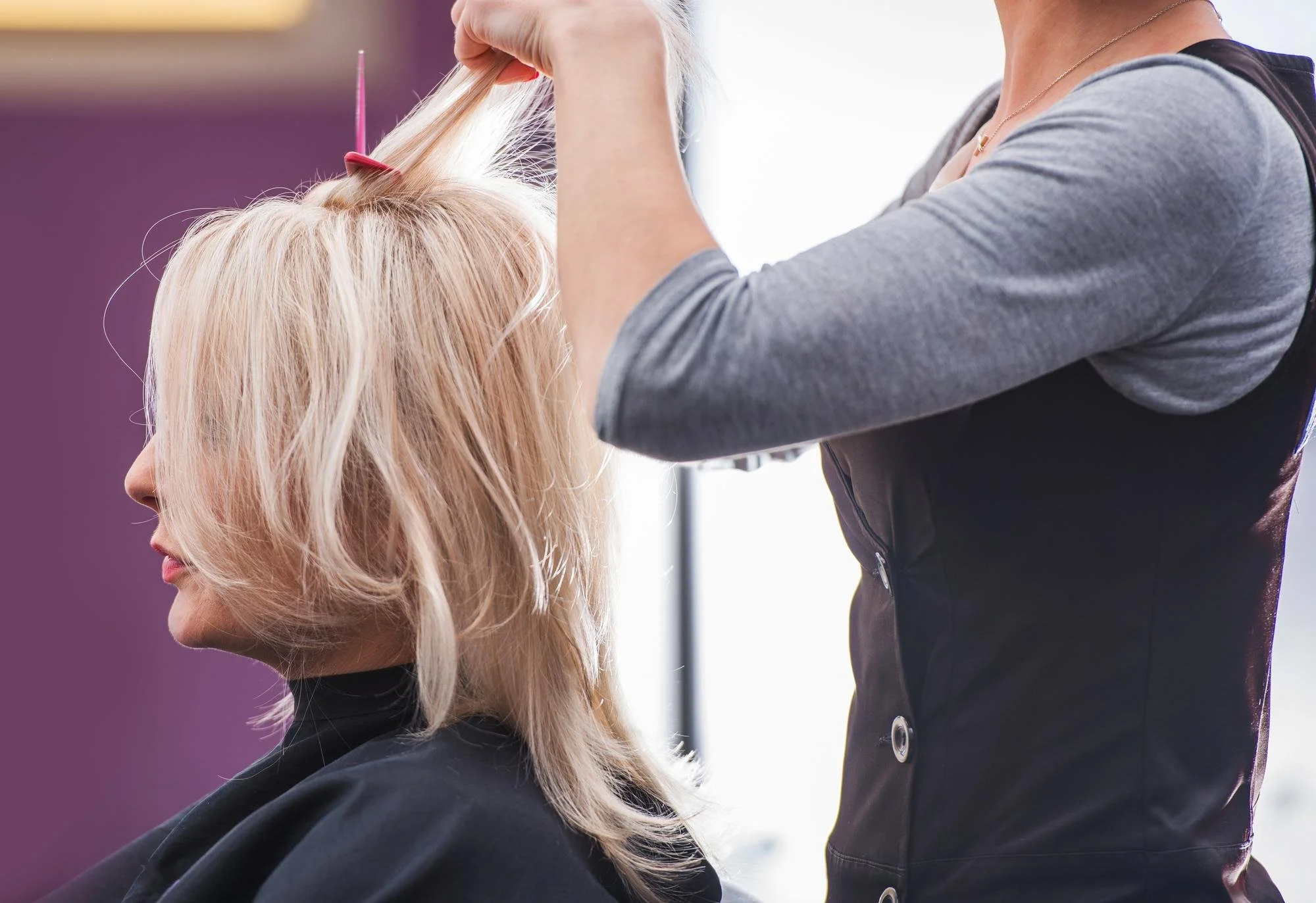
Clients who have been using box dye are not starting fresh. They are starting from whatever the box dye left behind, and that is exactly what the intake assessment at CM Salon & Spa is designed to evaluate. Before any formula is discussed, the colorist reviews porosity, previous product history, and the hair's current structural condition. The consultation is complimentary and designed to set realistic expectations about what the first appointment can achieve. The goal is healthy, lasting color from the first session forward, not a corrective situation two months later that could have been avoided.
CONCLUSION
The case for professional hair color is not about spending more. It is about understanding what the investment actually provides: a formula tailored to your specific hair, applied by someone trained to adjust it in real time, with a consultation that identifies structural problems before they become expensive. Box dye is not inherently wrong. It becomes a problem when the hair's condition makes customization necessary, and a fixed-strength formula cannot provide it. For anyone considering the switch, the first step is a conversation with a Chicago colorist, not a commitment to a service.
Frequently Asked Questions
-
Yes, but the complexity of the process depends entirely on what the box dye leaves behind. If metallic salt buildup or significant pigment accumulation is present, correction typically requires multiple sessions rather than a single appointment. A colorist will assess porosity, lift potential, and structural condition at a consultation before recommending a path forward. Color cannot be lightened over existing artificial pigment without first performing professional removal steps. Attempting to lighten heavily box-dyed hair at home with bleach or high-lift color carries a significant risk of breakage, which can set the correction process back significantly.
-
A single-process professional color service typically ranges from $100 to $250, depending on the technique, salon, and hair length. Box dye kits cost $12 to $20 but require more frequent touch-up and fade faster with each successive application. Calculated over 12 months under ideal DIY conditions, the gap is smaller than it appears. When a color correction becomes necessary, which is common after extended box dye use, correction costs can reach $300 to $600 or more for multi-session work. That single correction event often eliminates any cost advantage the box dye approach had accumulated over the prior year.
-
Professional color is significantly safer for hair that is already compromised. Colorists reduce developer strength for damaged hair, incorporate bond-building treatments when warranted, and select gentler dye systems calibrated to the hair's current structural condition. Box dye cannot make any of these adjustments. The formula is fixed and processes the hair identically, whether the hair is healthy or structurally weakened by prior chemical exposure or heat damage. For hair that is already dry, brittle, or breaking, applying a full-strength box formula adds chemical stress to an already compromised structure and typically accelerates the damage rather than producing the intended color result.
-
The shade on the box is calibrated to produce that result under a specific set of conditions that rarely match any individual's actual hair. Porosity, current level, and previous color history all affect how pigment processes and where it deposits most heavily. Box dye molecules are larger than professional-grade pigments and penetrate less evenly across sections with varying porosity, producing tonal inconsistency and faster fade in areas where uptake was uneven. Achieving the exact depth and warmth shown on the packaging requires formula customization based on the hair's real condition, and that customization is not something a pre-mixed, shelf-stable formula can provide.
-
The most common indicators of significant buildup are hair that processes very dark, even when a lighter shade is applied; dramatic tonal variation between sections (color banding); extreme resistance to lift, even with high-developer formulas; and a subtle metallic sheen visible under direct light. These signals suggest layered accumulation of metallic salts or pigments that will interfere with the new color and may react unpredictably to professional developer. A colorist can assess buildup during a consultation with a strand test, a brief process that reveals the hair's current condition and determines whether any preparatory treatment is needed before color can be applied safely.
-
A color consultation covers the hair's current condition, full chemical history, the client's goals, and a transparent discussion of what is realistically achievable in one appointment versus a series. At CM Salon & Spa, the consultation is complimentary and does not require a service booking. The colorist notes any history of box dye or chemical treatments, assesses porosity and structural integrity, and recommends a starting point based on the hair's current condition. That recommendation might be a single-process color, a corrective service, or a treatment-first approach before color work begins. The consultation is where realistic expectations are established, before any commitment is made.
