
Teen Acne Facials in Chicago: What Parents Need to Know Before Booking
A teen acne facial is one of the most effective things a parent can do for a teenager struggling with hormonal acne, and knowing what to expect makes the decision much easier. This guide covers everything before you book: whether your teen qualifies, what the treatment involves, how to choose the right provider, and what realistic results look like over time.
Why Teen Skin Is Different and Why That Matters for Acne Facials
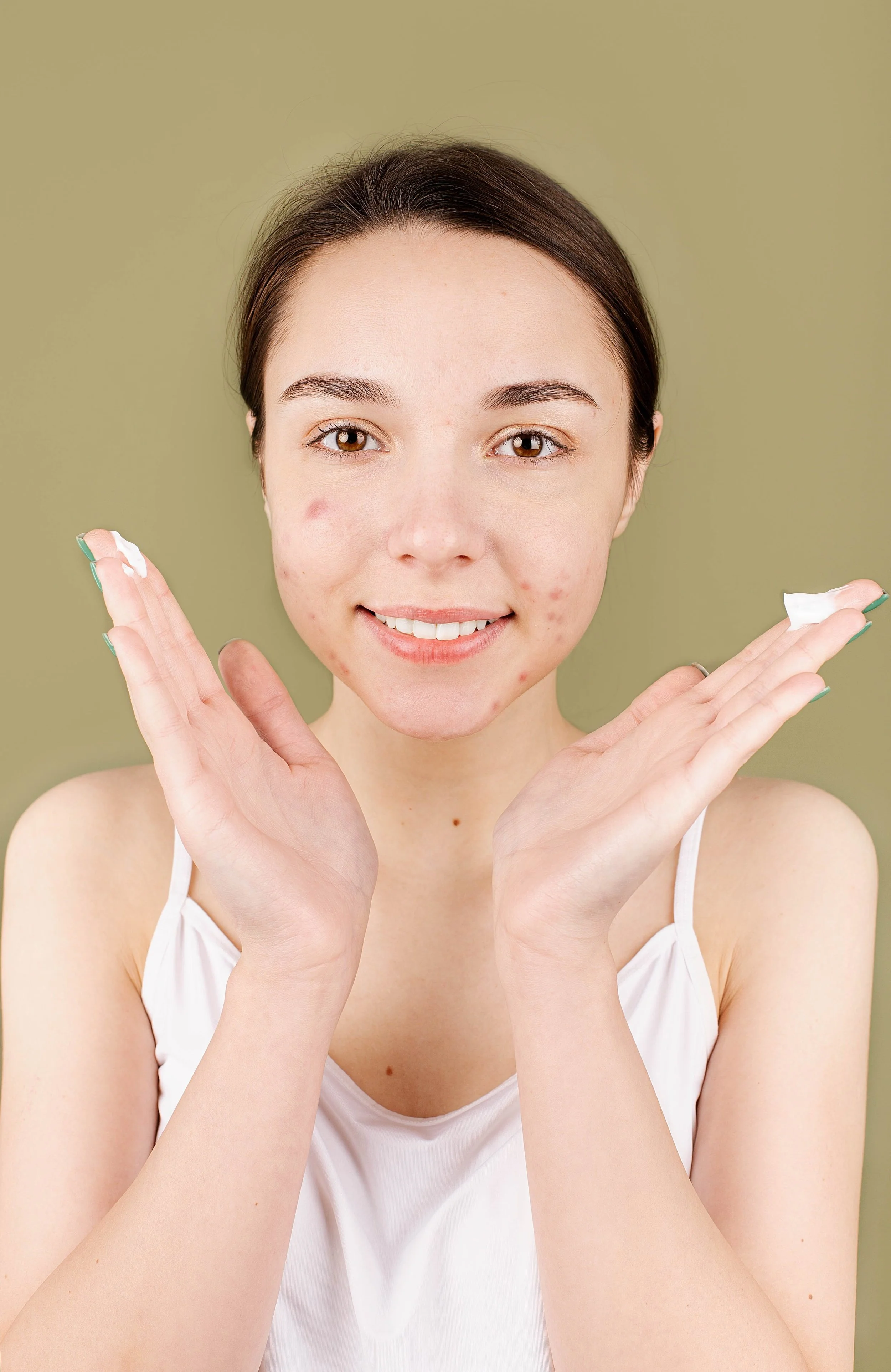
Puberty triggers a sharp increase in sebum production that overwhelms pores not yet accustomed to the output. Teen skin turns over faster than adult skin but reacts more intensely to strong active ingredients. Adult facial protocols can over-stimulate adolescent skin and worsen inflammation rather than calm it. An appropriate teen acne facial uses gentler acids, adjusted extraction pressure, and products calibrated to the skin's current sensitivity level rather than applying a standard adult treatment sequence.
What Age Is Appropriate for a Teen's First Acne Facial?
Most estheticians recommend the 12 to 14 age range as a reasonable starting point, when puberty-driven skin changes become visible. Age alone is not the deciding factor: skin behavior matters more. If persistent breakouts are not responding to gentle at-home care, a consultation is appropriate regardless of exact age. Teens with severe or cystic acne should see a dermatologist before booking any esthetic treatment. Teens with clear skin can still benefit from professional skincare education and early preventive care even when active breakouts are minimal.
Signs It May Be Time to Book a Teen Acne Facial
Estheticians recognize specific skin and behavioral signals that indicate at-home care is no longer sufficient. Persistent blackheads or clogged pores that multiply despite consistent gentle cleansing, oiliness returning within hours of washing, and skin irritation from cycling through too many products are all indicators. Visible confidence struggles tied to skin appearance are equally valid reasons to book.
What Actually Happens During a Teen Acne Facial: Step by Step
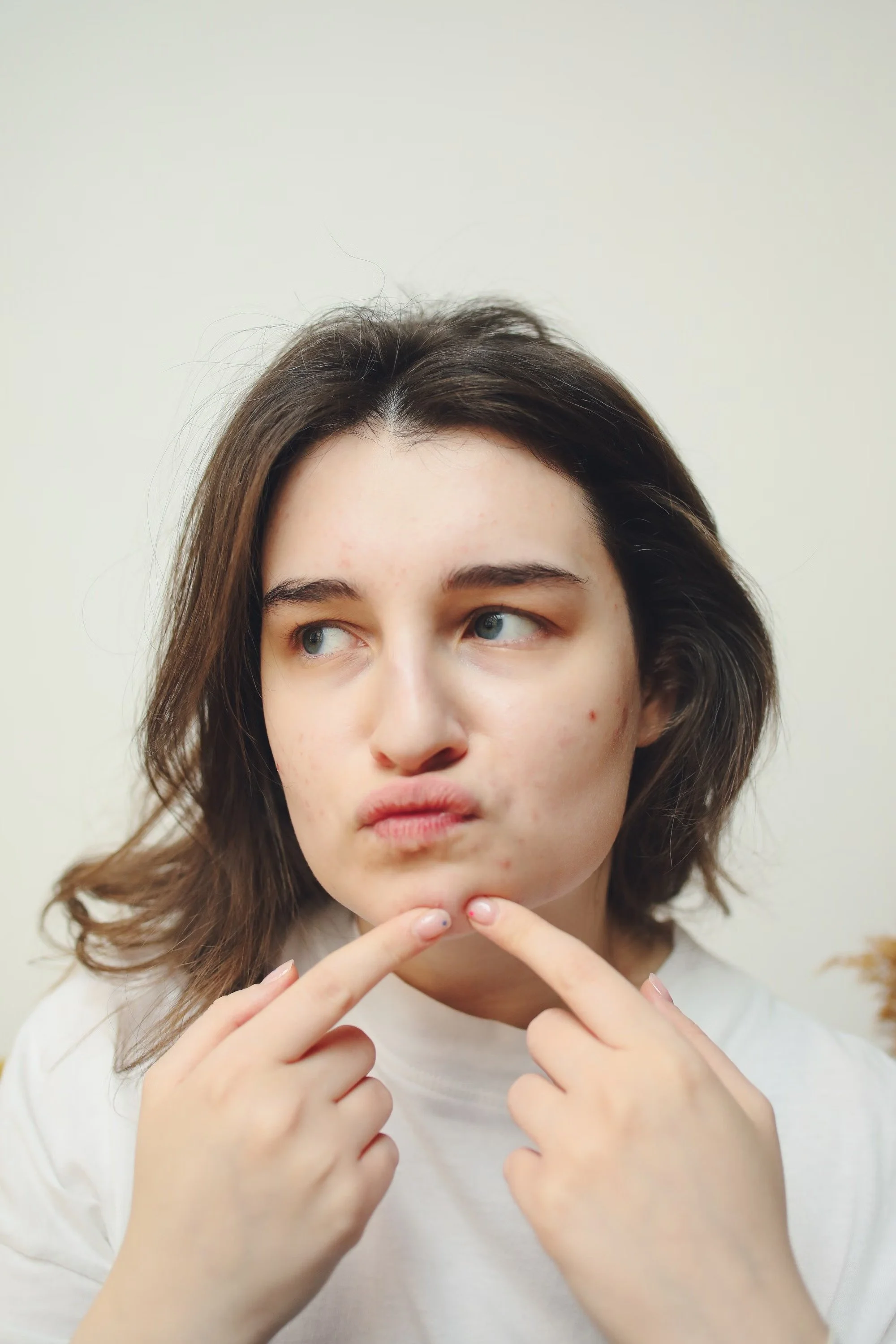
The session begins with a skin assessment and brief intake covering current products and any medications. A double cleanse removes surface buildup, followed by steam to soften pores. Gentle exfoliation, selected for teen skin sensitivity, prepares the skin for extractions. Manual extractions address existing blackheads and whiteheads. A treatment mask calibrated to skin type closes the active phase, followed by an oil-free moisturizer and SPF.
The Education Component: Why It Matters More Than the Treatment Itself
The esthetician uses the session to assess which products the teen is currently using and identify what is helping versus what is causing irritation or congestion. A simple, realistic daily routine is built around what the skin actually needs: typically a gentle cleanser, a non-comedogenic moisturizer, a single targeted treatment, and daily sunscreen. This guidance has lasting value well beyond a single appointment.
How Often Should a Teen Get an Acne Facial and What Results to Expect
For teens with active breakouts, treatment every four to six weeks aligns with the skin's natural renewal cycle. Teens doing maintenance with calmer skin can visit every two to three months. Results build progressively: congestion clears across multiple sessions, not after a single treatment. The first session often brings underlying congestion to the surface. This is a normal part of the process. Consistent treatment combined with an appropriate at-home routine produces the most meaningful, lasting improvement in acne-prone adolescent skin.
Do Parents Need to Be Present and What to Expect from the Booking Process
Most professional spas require a parent or guardian to be present at the first appointment for clients under 18 and will request a signed consent form. The initial consultation involves the parent directly in the skin history intake and treatment plan discussion. Follow-up visits can typically be attended independently once consent is on file and the esthetician relationship is established. Parents are welcome in the consultation portion of any visit.
Booking a Teen Acne Facial in Chicago: What to Look for in a Provider
Choosing the right Chicago provider for a teen's first facial starts with one question: does the spa assess before treating? A consultation-first approach means no product touches your teen's skin before the esthetician understands their skin condition, current routine, and any medications. CM Salon & Spa's team brings 45+ years combined experience and begins every new client visit with a complimentary consultation. Located on Halsted Street in Chicago's Lakeview neighborhood, the salon has served the community since 2005. The environment is low-pressure, and treatment is customized to each teen's specific skin.
What Teens Should Avoid in the Week Before and Days After a Facial
The week before the appointment, teens should stop using harsh exfoliants, retinol, and any new product experiments. No picking at blemishes in the days prior. Arriving with skin in its natural state allows the esthetician to accurately assess what is happening rather than treating skin that has been altered by recent products. After the session: skip makeup for the rest of the day, use only gentle non-active products for 48 to 72 hours, apply SPF every morning, change the pillowcase that night, and avoid intense exercise or saunas for 24 hours. Congestion continues to resolve naturally in the days following treatment.
When a Facial Is Not the Right First Step: Knowing When to See a Dermatologist Instead
Teens with severe cystic or nodular acne should consult a dermatologist before any esthetic treatment. Medical stabilization may be necessary before professional facial work is appropriate. Teens currently taking isotretinoin must disclose this before booking: the medication significantly increases skin sensitivity and is a contraindication for standard facial protocols. A qualified esthetician will identify these cases during intake and recommend a dermatologist referral. Acne facials complement dermatology treatment; they do not replace it.
How a Teen Acne Facial Fits Into a Broader Skincare Routine
A professional facial is not a standalone solution: it clears congestion, calibrates the treatment approach, and identifies what the skin needs. The daily at-home routine is what maintains those results between visits. For most teens, a simple routine performs better than a complex layered one: a gentle cleanser, a non-comedogenic moisturizer, daily SPF, and a single targeted treatment. Fewer active ingredients reduce irritation and allow the skin to respond to professional treatment more effectively.
What Teen Acne Facials Offer: A Guide for Chicago Parents
A teen acne facial is a clinically appropriate, professionally delivered treatment for adolescent skin that addresses congestion, reduces breakout frequency, and builds skincare habits that last beyond the teenage years. It is not a luxury, and it is not a single-session cure. Results develop over a consistent series of treatments supported by a sound at-home routine. The right starting point is a consultation with an experienced esthetician who assesses before treating and builds a plan matched to the teen's skin. For Chicago families in the Lakeview area, that first step is accessible and requires no commitment beyond the conversation.
Frequently Asked Questions
-
A teen acne facial is safe when performed by a trained esthetician using age-appropriate products and protocols. Teen skin should not receive the same high-strength acids or aggressive techniques standard in adult treatments. A proper intake consultation and skin assessment before the session ensures the protocol is calibrated to the teenager's specific skin condition. Teens on prescription acne medications or isotretinoin must disclose this before any treatment begins. With the right provider and a protocol designed for adolescent skin, a professional facial is a safe treatment for teenagers with acne-prone skin.
-
Most professional spas require a parent or guardian to be present at the first appointment for clients under 18 and will request a signed consent form before treatment begins. The initial consultation is a good opportunity for the parent to ask questions about the treatment plan. For follow-up visits, many teens prefer to attend independently, and providers typically permit this once a signed consent waiver is on file. Parents are always welcome to participate in the consultation portion of any visit.
-
A temporary increase in breakouts after a teen's first acne facial treatment is a recognized and normal part of the process. Extractions and exfoliation bring congestion to the surface that was already forming beneath the skin, making it visible sooner than it would have appeared otherwise. This is distinct from an adverse reaction and typically resolves within one to two weeks. Purging is most common after the first one or two sessions. A significant worsening that persists beyond two weeks warrants follow-up contact with the esthetician to assess whether the protocol needs adjustment.
-
A teen acne facial uses gentler products calibrated for adolescent skin, which is more reactive to high-strength actives than adult skin. The treatment sequence may exclude certain chemical exfoliants standard in adult protocols, and extraction technique is adjusted for teen skin's sensitivity. A well-designed teen facial also incorporates a significant educational component: the esthetician builds a daily skincare routine matched to the teen's actual skin type. The goal is to treat the current condition and establish habits that reduce future ones.
-
Teens currently taking isotretinoin should not receive facials involving extractions, chemical exfoliants, or high-strength active ingredients during the course of treatment and for a period after completing it. Isotretinoin significantly increases skin sensitivity. The appropriate waiting period after finishing the medication varies and should be confirmed with the prescribing dermatologist before any esthetic treatment is booked. A qualified esthetician will ask about all current medications during intake. Disclosing isotretinoin use before booking is essential.
-
In the week before the appointment, have your teen stop using harsh exfoliants, retinol, and any new product experiments. Discourage picking at blemishes in the days leading up to the visit. Your teen should arrive with clean skin in its natural state so the esthetician can accurately assess what is actually happening. Bring a complete list of any medications or prescription topicals currently in use. Let your teen know extractions may be briefly uncomfortable but are controlled and short.
