
What Is an Acne Facial? What to Expect Before, During & After Your First Treatment
An acne facial is a professional skin treatment designed specifically for acne-prone skin, and knowing what to expect makes your first appointment far less daunting. This guide walks through all three stages — before, during, and after — so you can prepare properly, understand what your esthetician is doing, and set realistic expectations for your results.
What Is an Acne Facial and How Is It Different from a Regular Facial?
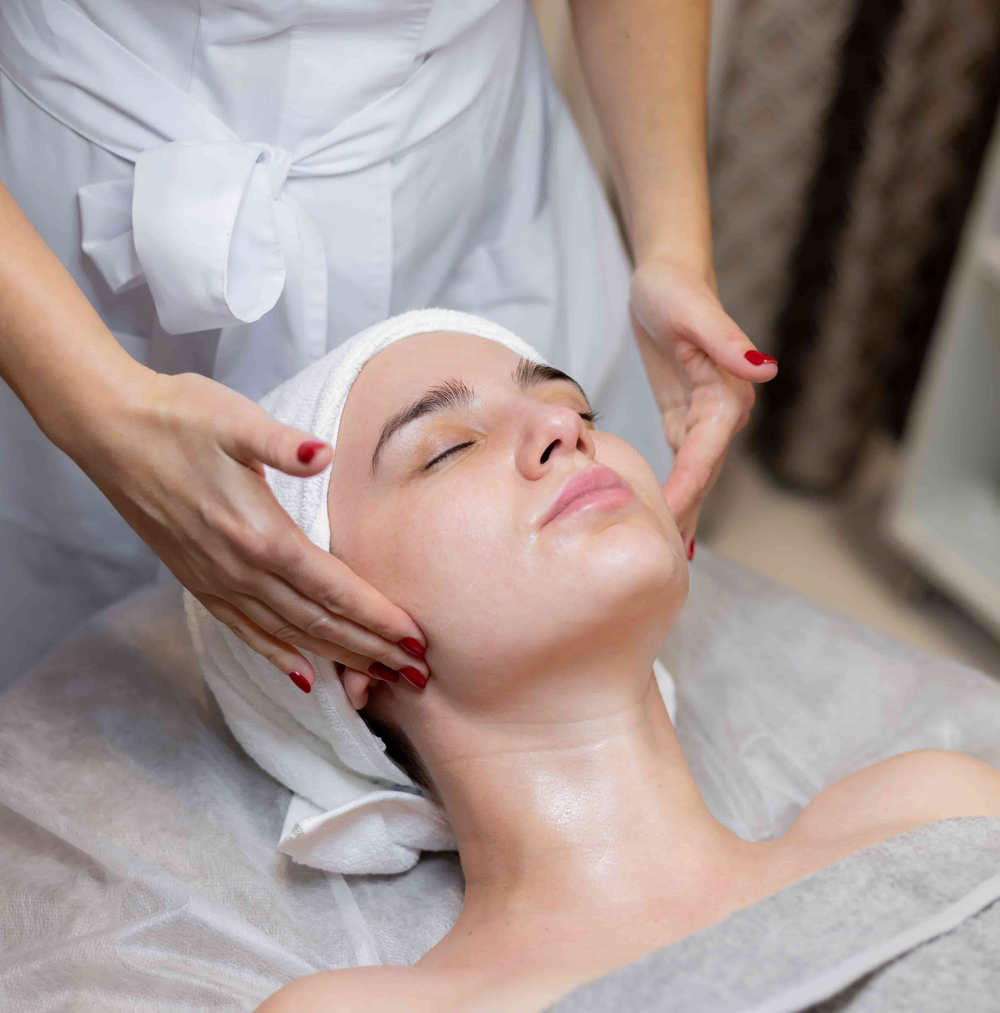
An acne facial is a targeted professional treatment built around decongesting pores and controlling blemishes, not relaxation. Unlike a classic facial, it uses active ingredients selected specifically for acne-prone skin: salicylic acid, sulfur, benzoyl peroxide, and tea tree oil each address bacteria, excess sebum, or pore congestion in ways that standard hydrating formulas do not. Estheticians customize every step based on the client's current skin condition.
Who Should Get an Acne Facial and Who Should Wait?
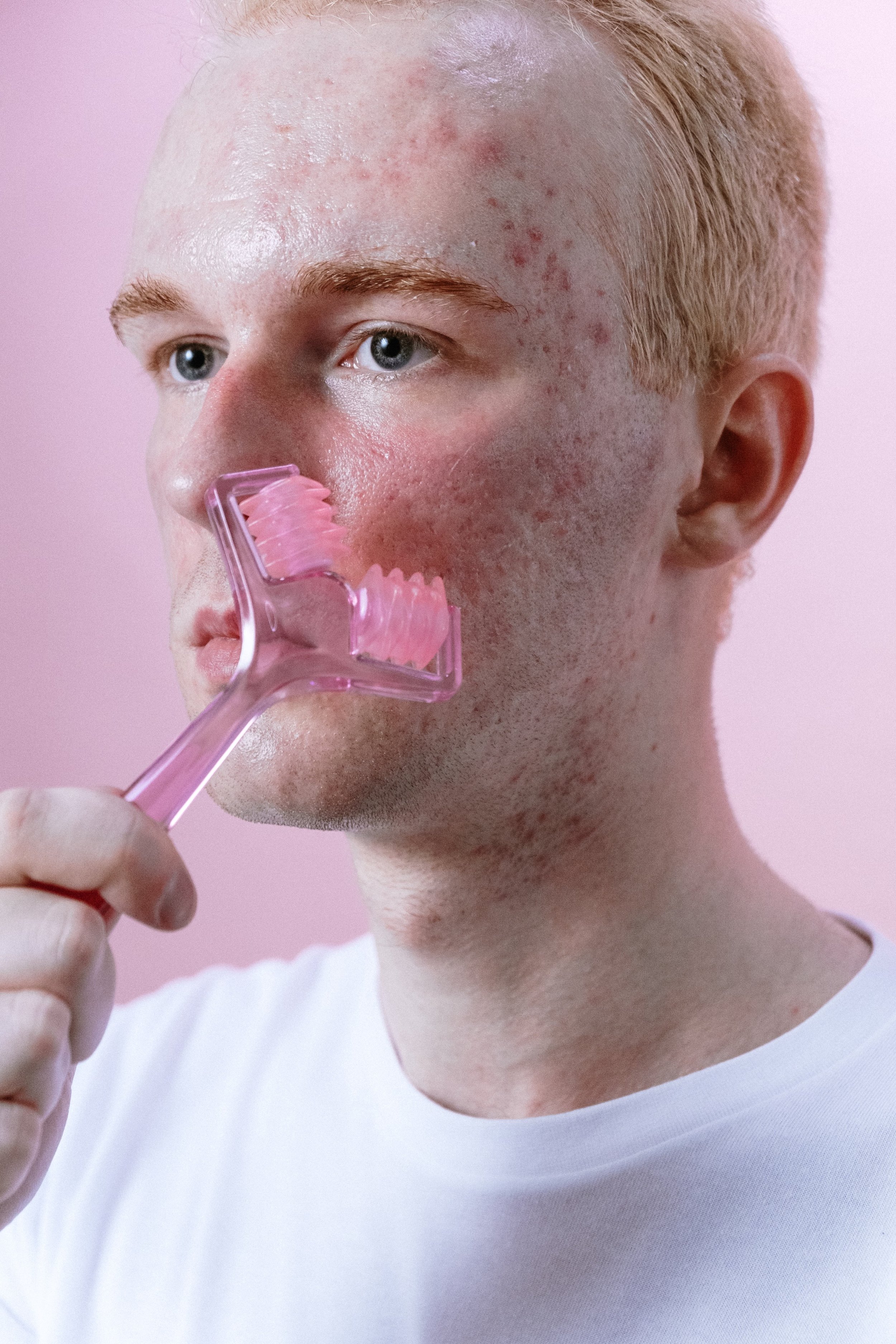
The best candidates for an acne facial treatment are people dealing with comedonal acne, meaning blackheads, whiteheads, and congested or oily skin with occasional breakouts. Those with active cystic or nodular acne should consult a dermatologist before booking, as deep inflamed lesions require a different treatment approach and esthetic manipulation can worsen them. Anyone currently using isotretinoin should disclose this during the consultation, as the medication significantly increases skin sensitivity and contraindications apply.
What Happens During an Acne Facial: the Step-by-Step Process
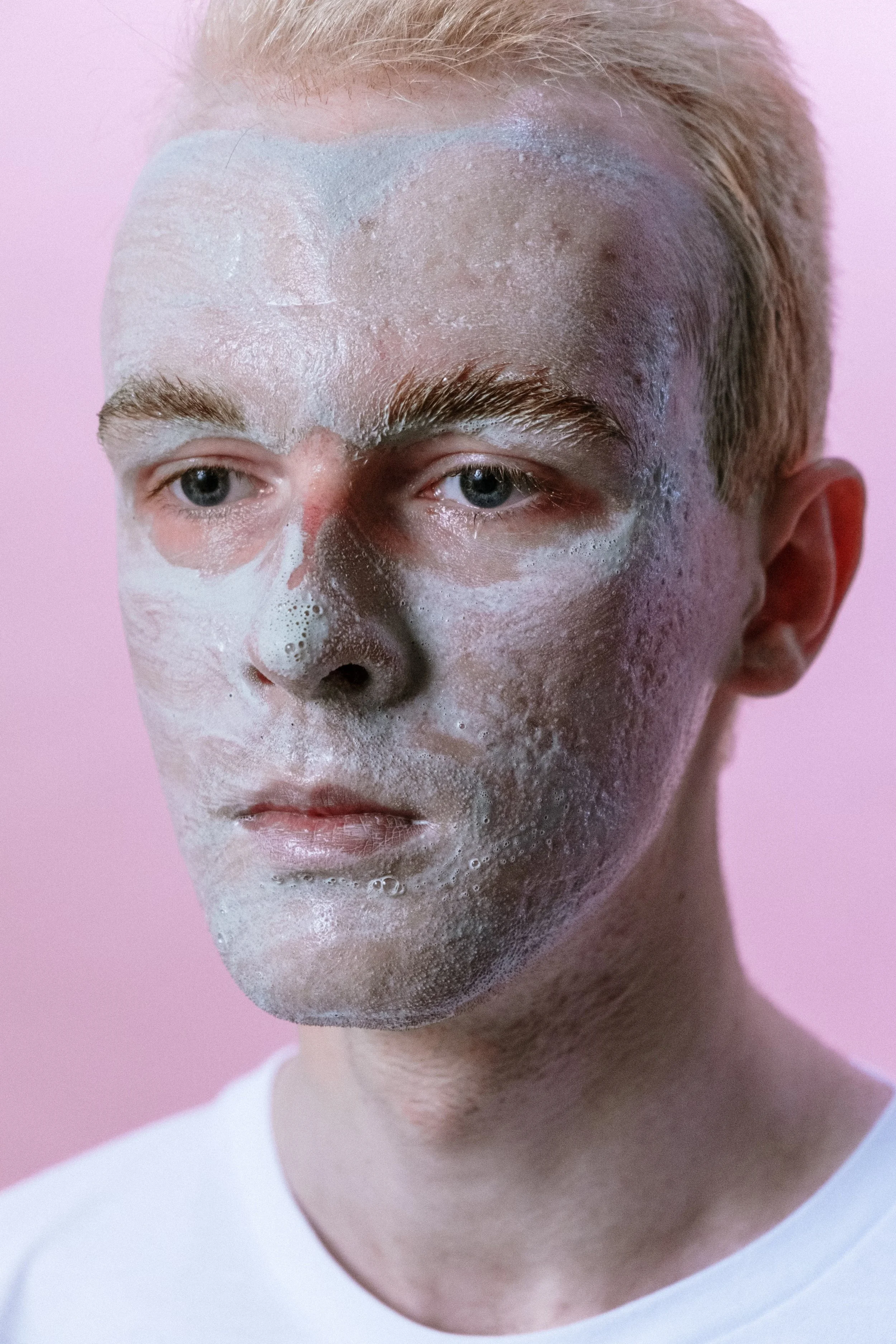
Acne facial treatment begins with a double cleanse to remove all surface debris, followed by steam to soften pores for easier extraction. The esthetician then performs exfoliation. Manual extractions address existing blackheads and whiteheads. A treatment mask, typically clay or charcoal for oily skin, draws out remaining congestion. The session closes with moisturizer and SPF.
Key Ingredients Used in an Acne Facial Treatment
Active ingredient selection separates an acne facial from generic skincare. Salicylic acid, a beta hydroxy acid, dissolves excess oil and exfoliates deep in the pore. Benzoyl peroxide kills acne-causing bacteria at the surface. Tea tree oil contributes anti-inflammatory and antimicrobial properties. Sulfur dries surface blemishes without significant irritation. Glycolic acid accelerates cell turnover, reducing future clogging. The esthetician selects and layers these based on your skin type, sensitivity level, and current routine.
The Benefits of an Acne Facial Beyond Clearing Breakouts
Acne facials address more than visible blemishes. Extractions remove existing comedones; chemical exfoliation prevents new ones from forming. The treatment supports barrier health by removing buildup without stripping natural moisture. High-frequency devices reduce pore appearance and eliminate surface bacteria. Blue LED light targets sebum production and kills acne-causing bacteria. Green LED addresses redness and post-inflammatory hyperpigmentation. The cumulative result is clearer skin, more regulated oil production, and improved texture over a series of consistent sessions.
What to Do Before Your Acne Facial Appointment
Preparation protects your skin and improves results. Stop using retinol, vitamin C, and exfoliating acids at least five days before your appointment, as these increase sensitivity and can cause adverse reactions when combined with professional-strength products. Disclose all prescription topicals and oral medications during consultation. Skip waxing in the treatment area for at least 48 hours prior. Arrive with clean skin if possible.
Risks, Side Effects, and What Is Normal After an Acne Facial
Mild redness and dryness in the 24 to 48 hours following an acne facial treatment are expected responses, not signs something went wrong. Skin may also purge: a temporary increase in surface breakouts that typically resolves within one to two weeks. This is not the treatment failing. Increased sun sensitivity is standard after any exfoliating treatment and requires consistent SPF use.
What to Expect from an Acne Facial at a Professional Spa
At CM Salon & Spa in Chicago's Lakeview neighborhood, every acne facial begins with a thorough skin assessment before any product is applied. The consultation covers your acne history, current medications, and existing skincare routine. Our team brings 45+ years combined experience to every appointment, using that intake to customize the treatment steps and ingredient selections to your skin specifically. The approach is consultative and honest: acne facials work best over a consistent series, and no single session is positioned as a permanent solution. Clients leave with a clear understanding of what was treated and what comes next.
How Many Acne Facial Sessions Do You Need to See Results?
An acne facial is not a one-session cure. Most estheticians recommend beginning with a series of four to six treatments spaced three to four weeks apart. Congestion clears progressively as each session removes what the previous one loosened. Results accumulate rather than appear immediately. Daily habits determine how quickly new congestion develops. Treating the facial as one component of a broader routine produces the most consistent results.
Aftercare: What to Avoid in the 48 Hours After Your Acne Facial
The post-treatment window requires restraint. Avoid applying makeup for the rest of the day. Do not use retinol, vitamin C, or exfoliating acids for at least two to three days, as the skin barrier is more permeable and these actives will cause irritation rather than benefit. Apply SPF every morning, as sun sensitivity is elevated. Use only a gentle, non-active moisturizer. Resist picking at the skin as congestion continues to surface naturally in the days following treatment.
Acne Facials vs. Other Treatments for Acne-Prone Skin
Understanding where an acne facial fits within the broader treatment landscape helps set accurate expectations. Acne facials address surface congestion, active breakouts, and oil regulation. Chemical peels target deeper cell turnover and post-acne marks, typically involving more downtime. Microneedling addresses acne scarring at a structural level and requires a separate consultation. Hydradermabrasion treatments combine deep cleansing with simultaneous hydration and suit those who need decongestion without manual extractions. For severe or hormonal acne, a dermatologist-supervised medical plan is the appropriate foundation. Both can be used in alternating cycles within an integrated skin plan.
Understanding What Acne Facials Can Do for Your Skin
An acne facial is a targeted professional treatment that clears congestion, regulates oil production, and supports the skin barrier over consistent sessions. Results are not instant after a single treatment, but the process works when the approach is matched to your specific skin condition. Purging, mild redness, and incremental improvement are normal parts of a treatment series. The right starting point is a consultation with an experienced esthetician who assesses before treating, selects ingredients based on your current skin, and provides honest guidance on what to expect. An acne facial, approached correctly, is one of the most effective tools for managing acne-prone skin.
Frequently Asked Questions
-
Extractions are the most uncomfortable step in an acne facial, but they are brief and localized. How much discomfort you experience depends on your skin's sensitivity and the degree of congestion being addressed. A skilled esthetician adjusts pressure and technique based on your response throughout the process. High-frequency devices produce a mild buzzing sensation against the skin, not pain. Steam and mask steps are comfortable. Clients are always encouraged to communicate during treatment if any pressure feels too strong so the esthetician can adjust immediately.
-
A temporary increase in breakouts after your first acne facial treatment is a recognized phenomenon called purging. It occurs because extractions and exfoliation bring congestion to the surface that was already forming beneath the skin, making it visible sooner than it would have appeared otherwise. This is distinct from an adverse reaction and typically resolves within one to two weeks. If breakouts worsen significantly and persist beyond two weeks, contact your esthetician to assess whether the products used were appropriate for your skin. Purging is most common after the first one or two sessions in a series.
-
Most acne facials run between 60 and 90 minutes. The exact duration depends on the number of areas requiring extraction, whether LED light therapy or a high-frequency device is added, and the depth of the initial skin assessment. A first appointment typically takes longer because the esthetician conducts a thorough intake. Follow-up appointments are often somewhat shorter, as the esthetician is already familiar with your skin.
-
Acne facial pricing varies based on the provider, geographic location, treatment length, and whether add-ons such as LED therapy are included. At professional spas in Chicago, pricing reflects the expertise of the esthetician, the professional-grade products applied, and the depth of the session. The most reliable way to understand cost is to schedule a complimentary consultation where pricing is discussed with full transparency before any service is booked.
-
An acne facial is a multi-step treatment that combines cleansing, extractions, masking, and optional technology to address active breakouts and surface congestion. A chemical peel applies an exfoliating acid solution to the skin to resurface at a deeper level, targeting post-acne marks, uneven texture, and congestion. Peels generally involve more downtime and are better suited to addressing discoloration or texture concerns. Acne facials suit ongoing maintenance and active breakouts. Both can be used in alternating cycles within an integrated skin plan.
-
For the 48 to 72 hours following deep facial cleansing for acne, use only gentle, non-active products. Apply SPF every morning, as the skin will be more sun-sensitive than usual. Avoid retinol, vitamin C, and exfoliating acids during the recovery window. Skip makeup for the rest of the day of treatment. Use a clean pillowcase and clean towels. Resist picking at or touching the skin, as congestion continues to migrate to the surface naturally in the days after the session.
