
Sugaring vs. Waxing: Which Is Right for Your Skin?
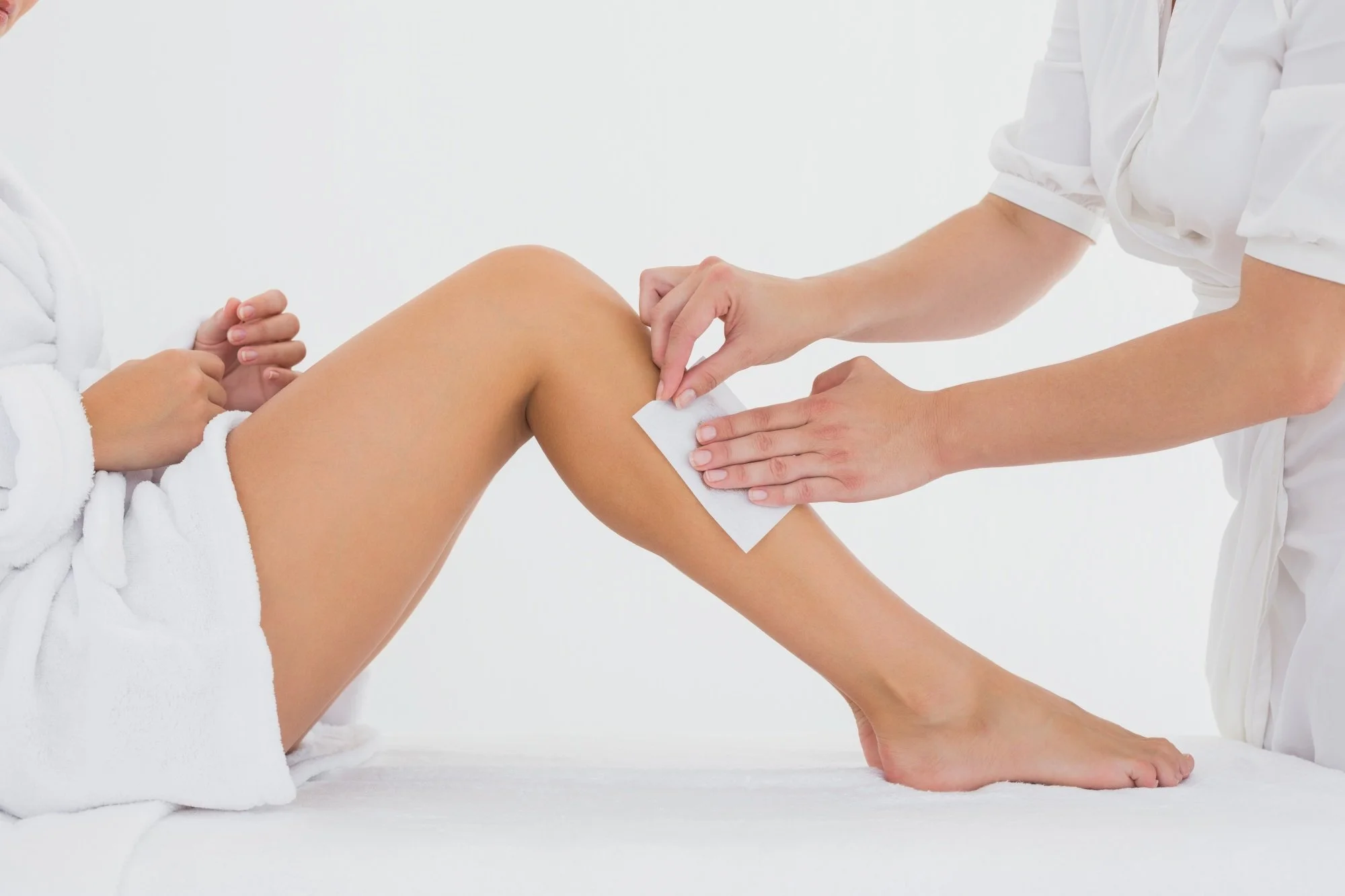
Sugaring vs. waxing: both methods remove hair from the root, both last weeks, and both are available at professional studios across Chicago. The difference lies in the ingredients, the application method, and how each method interacts with your specific skin type and hair texture. If you've been going back and forth between the two, this guide breaks down exactly what distinguishes them and how to make the right call.
What Is Sugaring, and How Does It Differ From Traditional Waxing?
Sugar paste is made from three ingredients: sugar, lemon juice, and water. It is applied at body temperature against the direction of hair growth and removed with the growth. Traditional wax, made from resin, oils, and additives, is applied with the direction of growth and removed against it. That reversal in removal direction is the defining mechanical difference between the two methods. Both lift hair from the root. Neither is a surface treatment like shaving. The divergence in client experience comes almost entirely from that directional distinction and its implications for skin contact.
The Ingredients Breakdown: Natural Sugaring Paste vs. Wax Formulas
Sugaring paste contains three food-grade ingredients and nothing else. Hard wax is made from beeswax and resin. Soft wax blends rosin and oils. Some specialty wax formulas add azulene for sensitivity or calendula for acne-prone skin, but by default, the base composition is more complex than sugaring. Sugaring paste is water-soluble and rinses off with warm water. Wax residue typically requires an oil-based solvent for full removal. For clients with known allergies, fragrance sensitivities, or a preference for ingredient transparency, the difference in formula complexity is a practical factor in choosing a method.
How Each Method Feels: Pain, Skin Trauma, and Recovery
Wax adheres to both hair and live skin cells. Sugaring paste bonds only to the hair. That mechanical difference is not just marketing language; it directly reduces the degree of skin pull during removal and lowers the risk of post-treatment trauma. Sugaring with growth removal also reduces hair breakage and the risk of ingrown hairs. Redness is normal with both methods and typically resolves within a few hours. The experiential gap between the two is most noticeable in sensitive areas: the bikini line, face, and underarms. Pain is reduced with sugaring, not eliminated. Honest expectation-setting matters more than overselling either method.
Sensitive Skin? Here's What Chicago Estheticians Recommend
Sugaring's natural, resin-free formula is generally gentler on reactive, acne-prone, or hormonally sensitive skin. Clients managing rosacea, eczema, or chronic skin thinning typically tolerate sugaring better than wax. That said, very sensitive skin can react to either method, and the natural origin of sugar paste does not make it reaction-proof. This is precisely why a consultation before your first appointment is worth treating as a standard step rather than an optional extra. A trained esthetician can assess your skin, ask about your history, and recommend the method most likely to deliver a clean, low-irritation result in the first session.
Which Body Areas Benefit Most From Sugaring vs. Waxing?
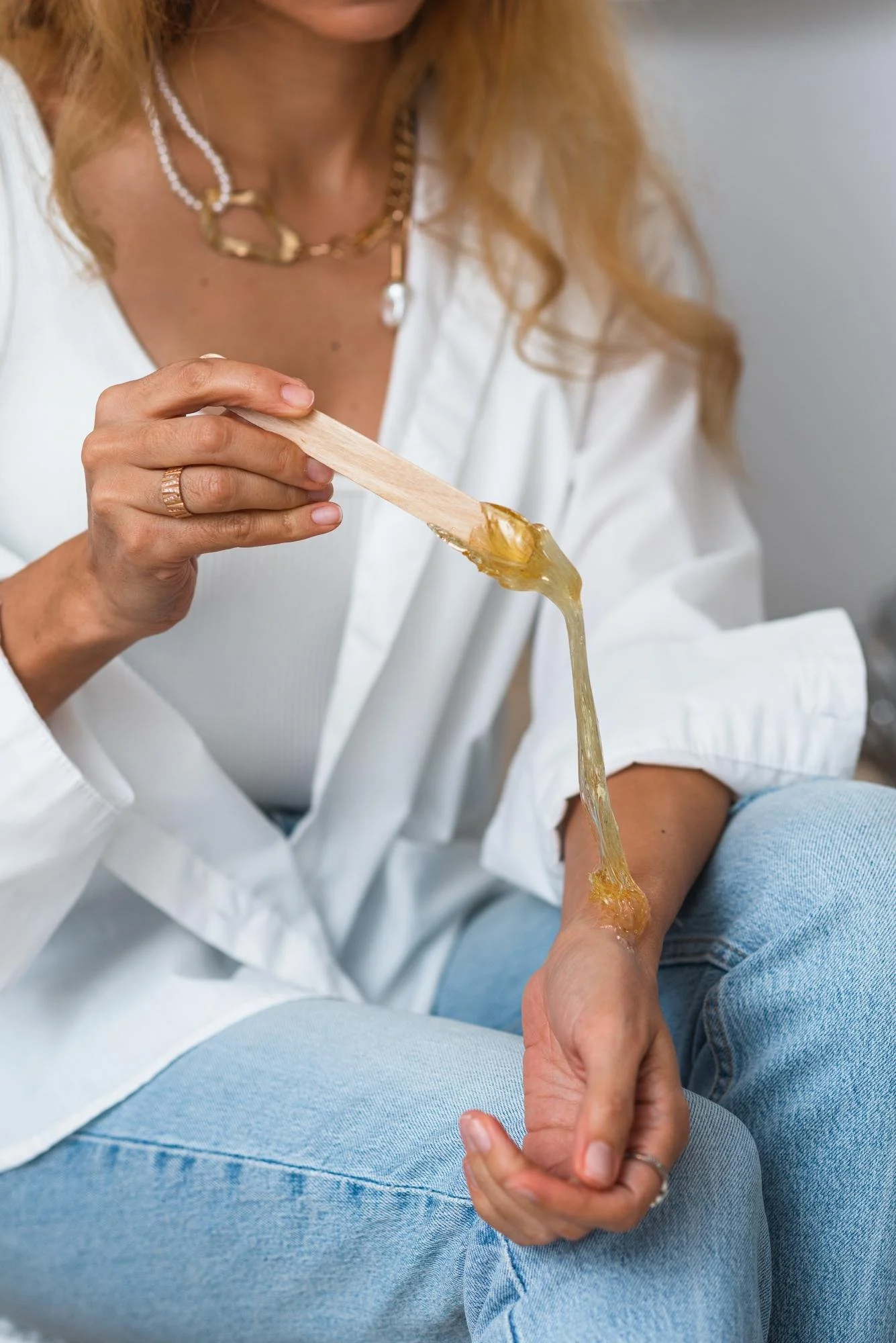
For sensitive areas, including the face, bikini line, and underarms, both hard wax and sugaring are appropriate choices. Sugaring's lower heat and paste-only bond tend to reduce post-treatment redness on delicate facial skin. For larger body areas like the legs or back, soft wax is often the more efficient option: it covers more surface area per pass and moves through an appointment faster. One practical note for Brazilian and bikini scheduling: sugaring requires slightly longer hair growth before the paste can grip effectively, which affects how soon after shaving a client can book.
How Long Does Each Method Last, and What Affects Regrowth?
Both methods remove hair from the root and typically deliver three to six weeks of smooth skin. Sugaring with growth removal may reduce breakage during extraction, which can mean more complete removal and marginally extended results in some clients over time. The more reliable longevity factor, however, is consistency. Regular appointments with either method progressively condition the follicle, producing finer, sparser regrowth regardless of which service you use. Individual hair growth cycles vary enough that direct method-to-method comparisons are less meaningful than maintaining a regular appointment schedule.
Cost Comparison: What to Expect for Waxing and Sugaring in Chicago
Sugaring appointments typically run $5 to $20 more than comparable waxing services at the same studio. The premium reflects the time involved: sugaring paste must be applied and removed in smaller sections rather than covering large areas in a single pass. For larger areas like the legs or back, waxing is usually the more cost-efficient choice. For sensitive or facial areas, the marginal cost of sugaring is worth considering alongside the reduced risk of irritation it offers. In the Chicago market, both services are available at a wide range of price points depending on studio type and esthetician experience level.
Aftercare Matters: How to Care for Your Skin After Waxing or Sugaring
After either treatment, avoid heat, friction, and direct sun exposure for 24 to 48 hours. That means no hot showers, gym sessions, tight clothing, or activities that cause significant sweating immediately after your appointment. Beginning gentle exfoliation 48 to 72 hours post-treatment reduces the risk of ingrown hair, particularly in the bikini and underarm areas. Moisturize daily between appointments to maintain skin integrity and support comfortable removal at your next visit. Consistent aftercare extends results and reduces post-treatment irritation regardless of whether you chose wax or sugar. The method matters less than what you do in the days that follow.
Pre-Treatment Prep: What to Do Before Your Waxing or Sugaring Appointment
For both methods, hair should be at least one quarter of an inch long before your appointment, roughly two weeks of growth after shaving. Avoid retinol, glycolic acid, and other exfoliating acids for 24 to 48 hours before the appointment; they thin the skin's surface and meaningfully increase post-treatment sensitivity. Arrive with clean, product-free skin and skip heavy moisturizers on the day of the service. For sugaring specifically, hair closer to half an inch improves paste adhesion and produces cleaner removal. If you're unsure whether your hair is long enough, a quick call to the salon before you arrive resolves it.
Common Myths About Sugaring and Waxing, Cleared Up
Three misconceptions consistently create misaligned expectations before a first appointment. First: sugaring is always less painful. Pain depends more on individual sensitivity and esthetician skill than on the method itself. Second: natural ingredients mean no reactions are possible. Even food-based sugaring paste can irritate broken or very reactive skin. Third: home sugaring kits deliver results comparable to professional services. Professional application controls temperature, paste consistency, and removal angle in ways that home kits cannot reliably replicate. Professional treatment protects the skin. DIY introduces variables that are difficult to manage without training.
How CM Salon & Spa Approaches Waxing and Sugaring in Lakeview
At CM Salon & Spa in Lakeview's Boystown neighborhood, estheticians don't default to one method over the other. Before any service begins, they assess each client's skin condition, hair type, and sensitivity to recommend the approach most likely to produce a clean, comfortable result. That assessment is the practical answer to the sugaring-vs-waxing question: the right choice is the one a trained professional selects for your specific skin, not the one a comparison article decides for you in advance. The consultation is complimentary and is the most reliable way to get this decision right from the first appointment.
Conclusion
The sugaring vs. waxing question does not have a single universal answer. Sensitive skin, clean-ingredient preferences, and smaller or more delicate areas tend to favor sugaring. Coarse hair, larger surface areas, and time efficiency often favor waxing. Either way, a trained Chicago esthetician who can assess your skin, understand your hair texture, and account for your history will give you a more accurate recommendation than any comparison guide. The article can narrow the field. The consultation resolves it. If you're still undecided after reading this, that's exactly what the consultation is for.
Frequently Asked Questions
-
For most clients, yes, though the difference is more pronounced in sensitive areas than on the legs or back. Sugaring paste bonds only to the hair, not to live skin cells, which reduces the pulling sensation during removal. Removal in the direction of hair growth also reduces follicle stress and breakage. Most clients find sugaring noticeably gentler on the bikini line and underarms specifically. Pain tolerance varies between individuals, and first appointments tend to be more intense regardless of the method. Consistent sessions become progressively more comfortable as regrowth becomes finer over time.
-
Both methods remove hair from the root and typically deliver three to six weeks of smooth skin. Sugaring with growth removal may produce marginally longer results for some clients by reducing hair breakage, which can cause early regrowth to appear faster than expected. Individual hair growth cycles vary significantly, so direct comparisons between the two methods are less reliable than they might seem. The most consistent longevity factor across both methods is regularity. Clients who maintain a steady appointment schedule, regardless of the service they use, see progressively finer, sparser regrowth over several months of consistent treatment.
-
Waxing generally performs better on coarse or dense hair. The resin-based wax formula adheres strongly to the hair shaft, and its against-growth removal direction provides a more forceful lift that handles stubborn or thick hair more effectively. Sugaring paste, applied in smaller sections and removed with the growth direction, is most effective on fine- to medium-textured hair. If your hair is consistently coarse across the areas you want treated, an esthetician will often recommend waxing as the primary service. In some cases, combining both methods for different body areas produces the best overall results.
-
Yes, with the right method and a properly trained esthetician. Sugaring's natural, resin-free formula is generally the gentler option for sensitive or reactive skin because it does not adhere to live skin cells and contains no synthetic additives or fragrances. Clients managing eczema, rosacea, or chronic skin sensitivity often tolerate sugaring significantly better than traditional wax. That said, even natural formulas can cause reactions on very reactive skin. A brief consultation before your first service and a small patch test, where indicated, identify any risks before a full treatment begins, and help ensure the appointment goes smoothly.
-
Let hair grow to at least one quarter of an inch before either service, roughly two weeks of growth after shaving. Avoid retinol, glycolic acid, or any exfoliating skincare products for 48 hours before your appointment, as they thin the skin surface and increase sensitivity during treatment. Arrive with clean, product-free skin and skip heavy moisturizers on the day of the service. For sugaring, hair about half an inch long improves paste adhesion and leads to cleaner removal. If you're unsure whether your hair is long enough before booking, a quick call to the salon can confirm it without a wasted trip.
-
Start with your skin type and hair texture. Fine to medium hair and sensitive or reactive skin typically favor sugaring. Coarse hair, larger body areas, and a preference for appointment efficiency tend to favor waxing. If you're genuinely uncertain, book a consultation. Any trained Chicago esthetician should be able to assess your skin condition, review your hair type and history, and recommend the best fit for your specific situation. Trying both methods over two consecutive appointments is also a practical option if you want to compare results directly before committing to a regular service.
